
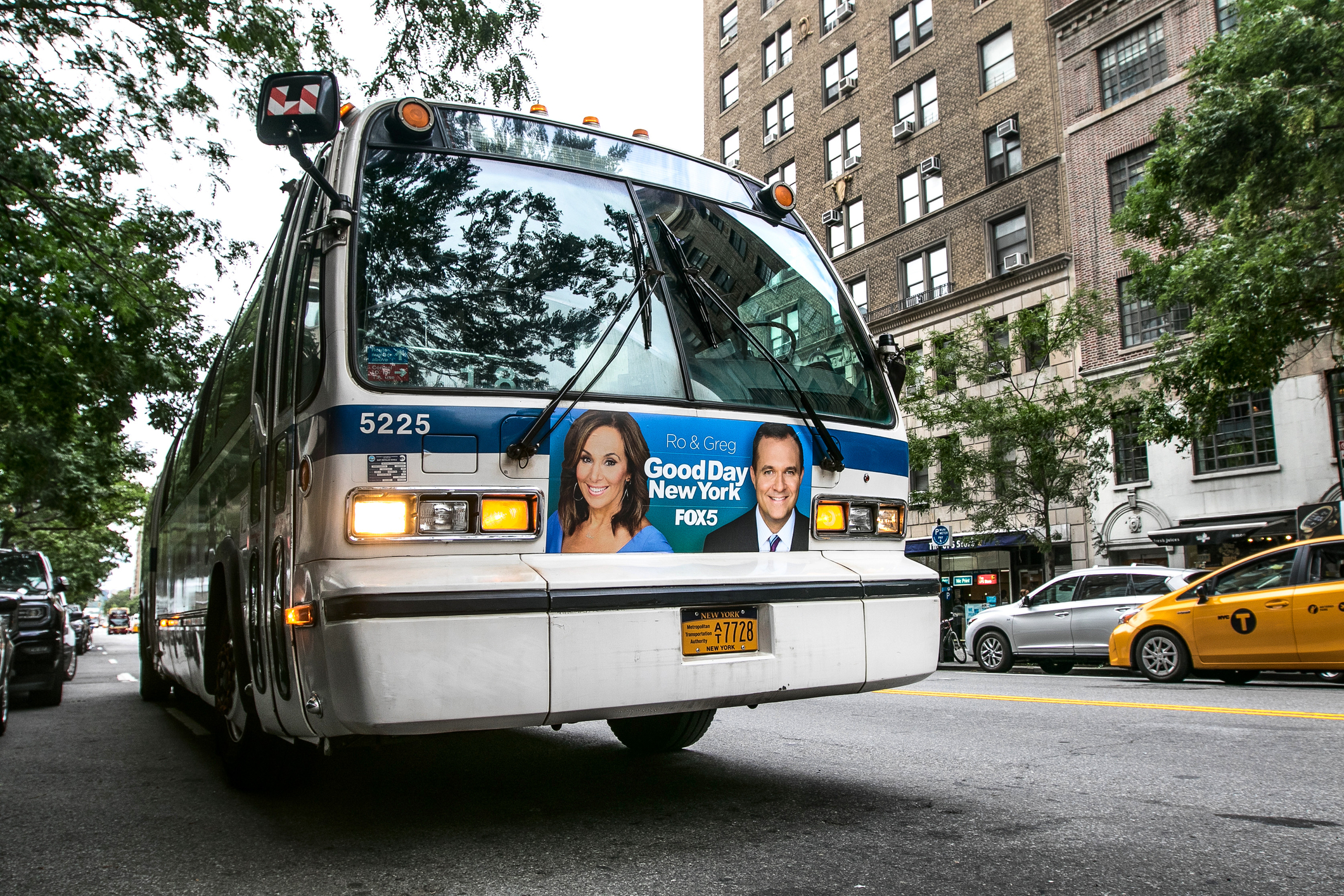
NEW YORK, NY – Mayor Zohran Mamdani’s ambitious plan to make New York City’s buses free ran headlong into new financial reality this week as the Metropolitan Transportation Authority enacted a 10-cent fare hike, raising the base subway and bus fare to $3.00. The increase, effective January 5, has intensified criticism of Mamdani’s “fast and free” transit pledge, underscoring the limits of City Hall’s control over a system run by the state-managed MTA.
Mamdani, who built much of his campaign around fare-free bus service, has argued that eliminating fares would speed up boarding, increase ridership, and provide relief for working-class New Yorkers. He frequently cites pilot programs across the city, including one he co-sponsored in Queens, that showed ridership gains, fewer onboard conflicts, and smoother service when fare collection was suspended.
But the MTA’s fare hike has highlighted a deep structural challenge: the mayor does not set fares, and the MTA’s leadership—appointed largely by the governor—has expressed little interest in expanding free service citywide. The agency estimates that eliminating fares altogether would cost several hundred million dollars a year, a gap that would have to be filled by new city or state funding.
Proponents of Mamdani’s proposal argue that the long-term economic and social benefits outweigh the cost. They point to potential savings from reduced fare enforcement and faster service that could make public transit more competitive with private vehicles. Critics, however, question whether the city can afford such a program, noting that MTA ridership has not fully recovered since the pandemic and that pilot results on bus speed and reliability have been mixed.
While Mamdani has continued to champion free buses as a cornerstone of equitable transit, the fare increase has made his vision harder to realize in the near term. The mayor maintains that the success of smaller pilots proves the concept works and says he will keep pressing Albany and the MTA to make it permanent.
The MTA has not ruled out future pilot expansions but insists that stable revenue must come first. For now, riders will be paying more—not less—each time they board.