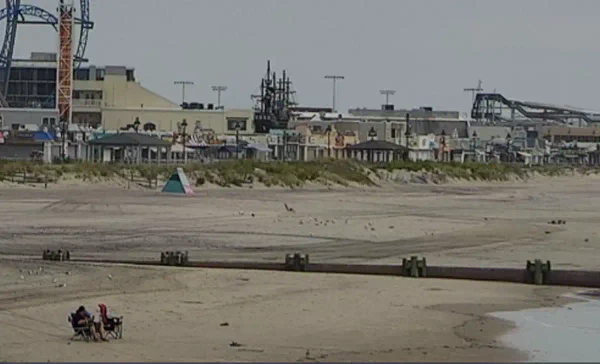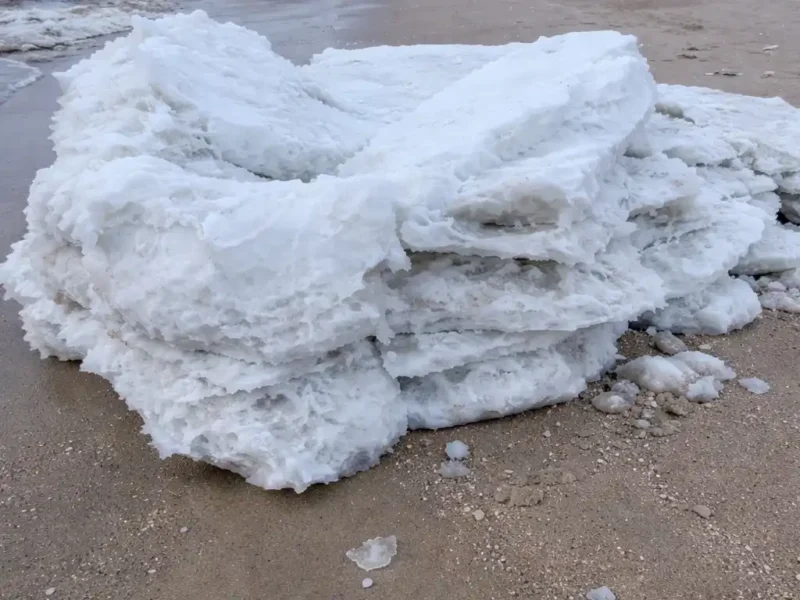
CAPE MAY, N.J. – Visitors to the Delaware Bay this week were greeted by a rare and striking sight — chunks of ice as large as cars drifting and piling along the shoreline after a stretch of severe cold weather gripped the Mid-Atlantic states.
Local astronomy enthusiast Kevin from Cape May Astro captured the frozen spectacle during a visit Wednesday afternoon, describing the scene as “completely different than last night’s view.”
He noted that despite a mild 35-degree afternoon, the thick slabs of ice persisted. “Remember, salt water freezes at 28.4 degrees,” he said, adding that the apparent thaw was a “heatwave for this ice.”
The unusual ice buildup followed a powerful arctic blast and major snowstorm that swept through the region in late January. Across New Jersey, waterways experienced extensive icing, from the Hudson River to the Delaware and Barnegat bays. The U.S. Coast Guard deployed icebreakers on the Hudson to keep shipping lanes open, while large, boulder-like chunks of ice were spotted along riverbanks in Trenton and Morrisville, Pennsylvania.
Those massive chunks of ice washup on the nearby beaches.
It’s a phenomenon that resembles Diamond Beach in Iceland, but instead of being created by icebreakers, those ice blocks are formed by a glacier.
Huge, layered icebergs deposit on Icelandic beaches (famously Diamond Beach) in winter when chunks calve from the Breiðamerkurjökull glacier. These icebergs float through the Jökulsárlón lagoon, are polished by ocean waves, and wash ashore on the volcanic black sand, driven by strong winter currents and winds.
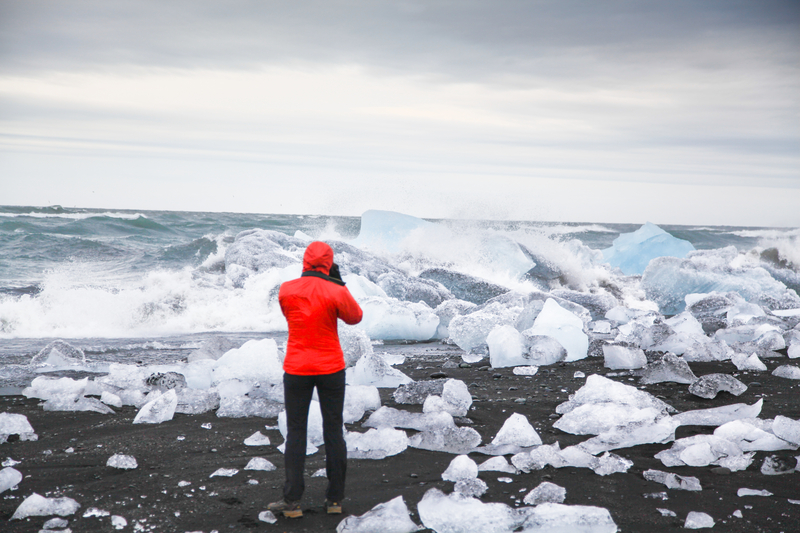
In Cape May, thick layers of frozen surf and icebergs washing up near the bayfront — a rare event even for the dead of winter. Some locals compared the phenomenon to conditions not seen in decades.
Meteorologists attributed the spectacle to the combination of tidal flooding and rapidly falling temperatures. The shallow bay waters froze quickly, creating massive ice floes that broke apart as temperatures rebounded.
- Ice chunks formed across New Jersey waterways following a deep freeze.
- Massive floes were seen along the Delaware Bay and Hudson River.
- Experts say shallow water and plunging temperatures created the rare event.
As temperatures climb, much of the ice is expected to melt, but for a few days this week, the Cape May shoreline offered a glimpse of an almost Arctic scene.