
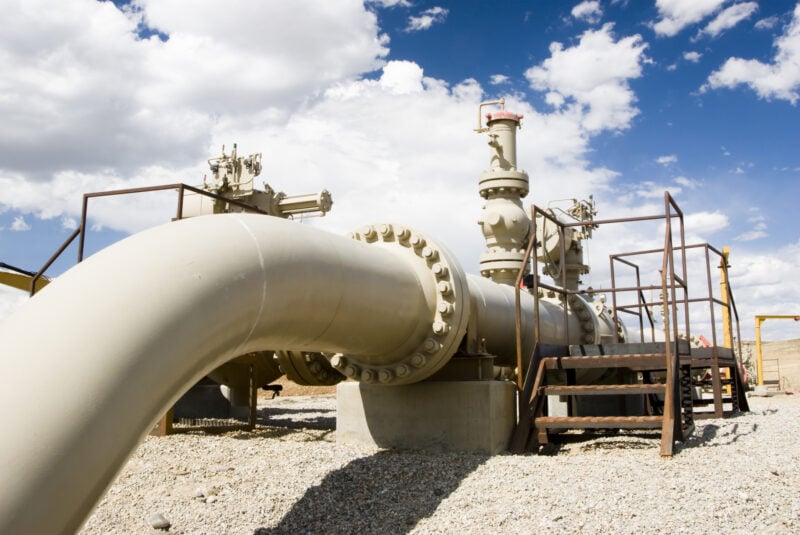
TRENTON, N.J. — The New Jersey Tidelands Resource Council approved a critical state license Wednesday for the long-disputed Northeast Supply Enhancement (NESE) pipeline, advancing a project that will transport Pennsylvania natural gas through New Jersey waters to customers in New York.
The approval under Gov. Mikie Sherrill’s administration marks a major reversal from prior New Jersey administrations that repeatedly blocked or denied permits for the pipeline over environmental concerns tied to Raritan Bay.
Environmental groups, local officials, and fishing advocates immediately criticized the decision, arguing New Jersey assumes environmental risks from the project while receiving few direct benefits because the gas supply primarily serves New York.
Pipeline Approval Revives Long-Stalled Project
The 23-mile pipeline project, proposed by energy company Williams, would move fracked natural gas from Pennsylvania through portions of New Jersey and into New York.
State approval from the Tidelands Resource Council represented one of the final major regulatory hurdles for the controversial infrastructure project.
The pipeline also includes plans for a large compressor station in Franklin Township, adding to opposition from residents and environmental activists concerned about emissions, noise, and long-term environmental impacts.
Opponents say construction in Raritan Bay could disturb contaminated sediment containing mercury, PCBs, and other pollutants left behind from decades of industrial activity.
Critics warn dredging operations could damage marine ecosystems, commercial fishing areas, and tourism-dependent waterfront communities.
“This project puts New Jersey’s environment at risk for the benefit of another state,” opponents have argued throughout the permitting battle.
Key Points
• New Jersey approved a key license for the NESE natural gas pipeline project
• The pipeline would transport Pennsylvania gas through New Jersey to New York
• Environmental groups warn the project could disturb toxic sediment in Raritan Bay
Sherrill Administration Takes Different Approach
The approval represents a notable policy shift under Gov. Mikie Sherrill compared with previous administrations that denied or delayed permits for the pipeline multiple times.
Prior state officials cited concerns over water quality, climate impacts, and environmental damage tied to pipeline construction activities.
The Sherrill administration’s decision signals a more favorable stance toward advancing the energy project despite continuing opposition.
Supporters of the pipeline argue the project strengthens regional energy reliability, helps stabilize natural gas supplies, and supports energy infrastructure needed across the Northeast.
Business and energy groups backing the proposal have also argued modern pipeline systems remain safer and more efficient than alternative fuel transportation methods.
However, critics maintain New Jersey residents shoulder the environmental burden while New York consumers receive the primary energy benefit.
Environmental and Legal Challenges Expected
Environmental organizations have already signaled plans to challenge the approval in court.
Activists opposing the project argue the pipeline conflicts with New Jersey’s environmental priorities and could threaten sensitive marine habitats in the Raritan Bay region.
The dispute has become one of the state’s most contentious environmental battles, drawing national attention from both climate activists and energy industry advocates.
Fishing and tourism interests have also expressed concerns about potential impacts on water quality and coastal economies tied to the bay.
The project’s opponents previously succeeded in delaying the pipeline through permitting disputes and regulatory appeals under earlier administrations.
Pipeline Debate Highlights Broader Energy Divide
The fight over the NESE pipeline reflects a broader national divide over fossil fuel infrastructure, energy reliability, and climate policy.
Supporters say expanding pipeline capacity remains necessary to meet energy demand and prevent supply shortages in densely populated northeastern states.
Opponents counter that approving new fossil fuel projects undermines long-term clean energy goals while exposing communities to unnecessary environmental risks.
The Sherrill administration has not publicly detailed additional conditions tied to the approval beyond the state licensing process.
Construction timelines and potential legal challenges are expected to determine how quickly the project moves forward.
The pipeline remains one of the most closely watched energy infrastructure disputes in the Northeast as environmental groups prepare for further legal and political fights over the project’s future.