
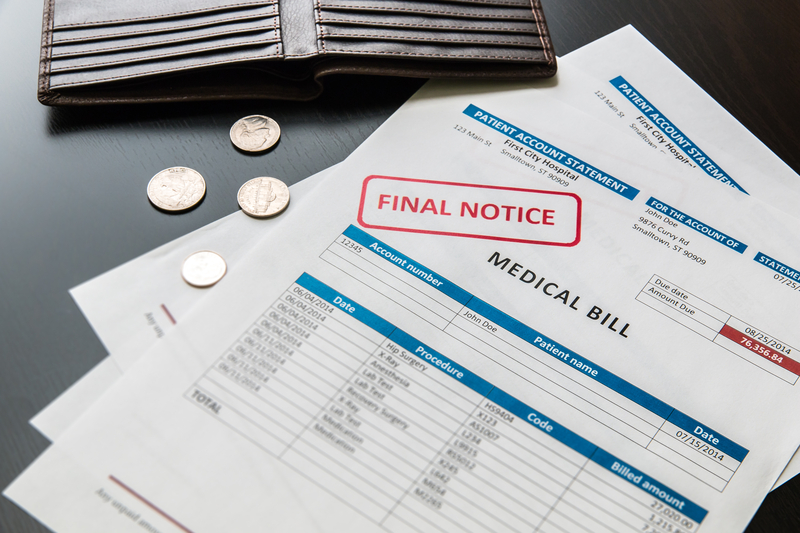
TRENTON, NJ – Nearly 14,000 New Jersey residents will soon see their medical bills erased as Governor Phil Murphy announced the seventh round of the state’s medical debt relief initiative, abolishing almost $16 million in debt through a continuing partnership with the national nonprofit Undue Medical Debt.
Funded with about $165,000 from the federal American Rescue Plan, the latest round brings the total medical debt forgiven under the initiative to nearly $1.5 billion for more than 847,500 New Jerseyans. The nonprofit Undue Medical Debt purchases medical debt from the secondary market for pennies on the dollar and cancels it, with notification letters expected to arrive to affected residents in the coming weeks.
“Medical debt should never stand between New Jersey residents and the care they need,” said Governor Murphy. “By retiring this debt in partnership with Undue Medical Debt, we are easing a financial burden that has weighed on hundreds of thousands of households and taking a concrete step toward a health care system that puts people first – one that is fairer, more compassionate, and more accessible for everyone.”
The partnership, first proposed in the Governor’s 2023 budget address and launched with a $10 million investment in Fiscal Year 2024, represents one of the largest state-led medical debt relief efforts in the country.
Undue Medical Debt President and CEO Allison Sesso praised the collaboration, noting the impact extends far beyond the numbers. “It’s a massive accomplishment that the Administration is closing out its term with well over one billion dollars erased for hundreds of thousands of New Jersey families,” Sesso said. “Beneath the figures are real people — neighbors, coworkers, and community members who have been gifted the emotional and financial benefit of medical debt relief.”
Acting New Jersey Health Commissioner Jeff Brown called the initiative “a public health intervention,” emphasizing that financial insecurity caused by medical debt can worsen health outcomes and delay needed care.
James Lloyd, Director of the Office of Health Care Affordability and Transparency, said the program empowers residents to reengage with the health system. “This initiative builds on the work of the Office of Health Care Affordability and Transparency, under the leadership of Governor Murphy, to address the nation’s growing medical debt crisis,” Lloyd said.
New Jersey has been at the forefront of consumer protection policies related to medical expenses. The state prohibits most medical debt from being reported to credit agencies and supports residents through direct relief programs. Recent polling shows that 76 percent of voters favor stronger laws to protect against medical debt.
There is no application process for the relief. Undue Medical Debt identifies qualifying debt portfolios based on financial need — typically for individuals earning at or below 400 percent of the federal poverty line or whose medical debt equals at least 5 percent of their annual income — and then buys and cancels those debts directly.
The latest round of debt forgiveness continues Murphy’s broader efforts to expand health care access and affordability, including capping insulin and asthma inhaler costs and tightening oversight of the pharmaceutical supply chain.
Governor Murphy’s seventh round of debt forgiveness eliminates $16 million in medical bills, pushing total relief for New Jersey residents to nearly $1.5 billion.