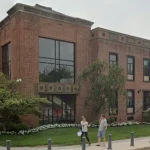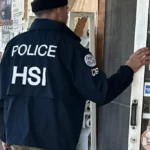
Newark, NJ — A growing clash between Newark city leaders and the federal government intensified Thursday after Mayor Ras J. Baraka announced the city would begin reducing its police presence around the Delaney Hall ICE detention facility, while White House Border Czar Tom Homan warned that the National Guard could be deployed if local authorities fail to control ongoing unrest and protect federal operations.
The dispute centers on weeks of protests outside the privately operated detention center, where demonstrators have raised concerns about detainee treatment and conditions inside the facility. Baraka said Newark’s involvement helped reduce arrests from 80 to just three while maintaining order through de-escalation rather than force.
City Pulls Back While Federal Officials Push for More Security
In a statement released June 4, Baraka said Newark Police Division officers would no longer devote significant resources to securing the detention center, arguing that the responsibility belongs to the facility’s operators rather than city taxpayers.
The mayor said the city’s role was to restore calm during protests, not to provide ongoing security for a privately owned facility operated by GEO Group.
Baraka also pointed to what he described as a sharp escalation in tensions around Memorial Day, blaming increased federal activity near demonstrators for confrontations that followed.
“We have accomplished this without the use of force, tear gas, or aggressive policing,” Baraka said, citing the reduction in arrests since the city became more involved in managing demonstrations around Delaney Hall.
According to the mayor, Newark police will now focus primarily on traffic management and public safety for both protesters and motorists near the facility.
Key Points
• Newark plans to scale back police presence at Delaney Hall after weeks of protests.
• Mayor Ras Baraka said arrests dropped from 80 to three through de-escalation efforts.
• Border Czar Tom Homan warned the National Guard could be deployed if unrest continues.
Federal Warning Raises Stakes
The city’s decision comes as federal officials signal a far more aggressive response if violence escalates.
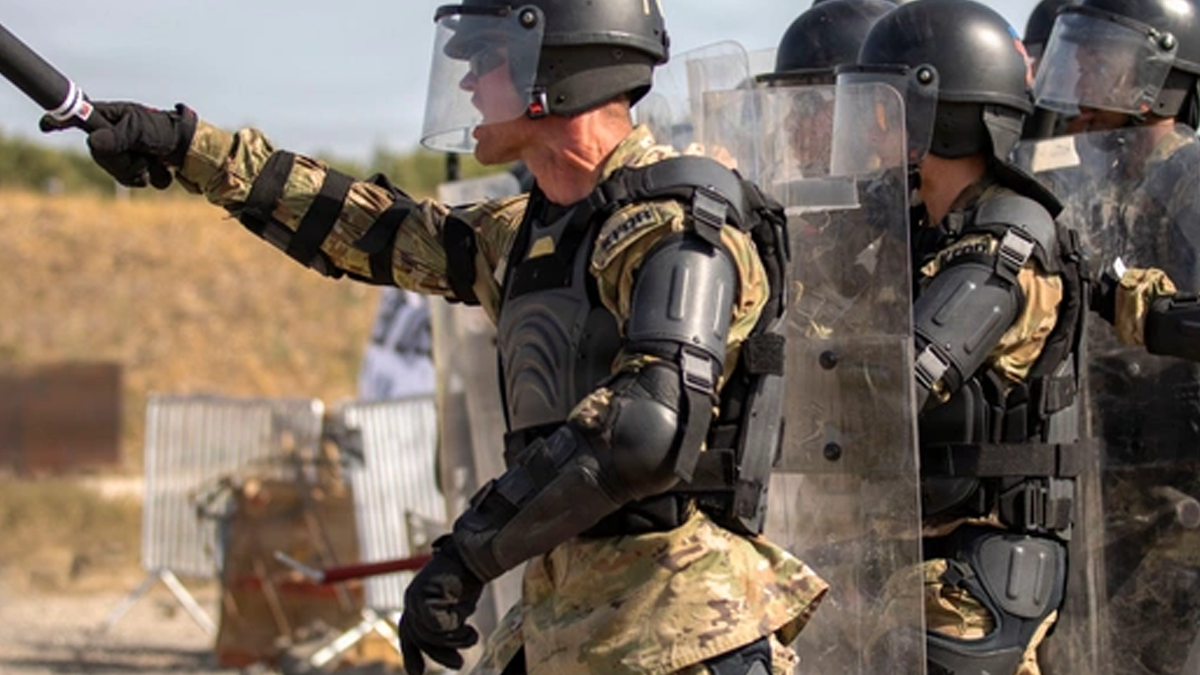
Tom Homan, President Donald Trump’s border czar, warned that the administration could deploy the National Guard if local authorities do not prevent attacks on federal officers and ensure the security of ICE operations at Delaney Hall.
Homan said peaceful protests remain protected but drew a distinction between lawful demonstrations and actions targeting federal personnel or property.
“If your police won’t secure the Delaney Hall ICE facility and stop the riots, fires & attacks on officers, President Trump WILL send in the National Guard,” Homan said.
The warning represents a significant escalation in the standoff between Newark officials and federal immigration authorities. It also raises questions about who bears responsibility for security around the detention center as protests continue.
Federal officials have argued that ICE operations and federal personnel must remain protected regardless of local political disagreements over immigration enforcement.
Hunger Strike and Detainee Complaints Fuel Protests
The conflict extends beyond policing and public safety concerns.
Protesters have cited reports of a large detainee hunger strike and allegations involving food quality, medical care, and detention conditions inside Delaney Hall. Demonstrators have claimed detainees reported maggots in food and inadequate medical treatment, allegations that have fueled continued gatherings outside the facility.
Homan publicly rejected those claims following a visit to Delaney Hall, defending conditions inside the center and stating that detainees receive adequate meals.
The competing narratives have helped drive tensions between activists, city officials, and federal authorities, transforming Delaney Hall into a flashpoint in the broader debate over immigration detention policies.
Baraka’s statement emphasized that Newark opposes the facility’s continued operation and argued that providing extensive police resources to protect it would contradict the city’s position.
“We will not continue to spend resources and tax dollars in an already strapped budget to safeguard a privately-owned facility,” the mayor said.
What Happens Next
The federal warning and the city’s pullback create the possibility of a direct confrontation over security responsibilities in the days ahead.
Baraka urged demonstrators to remain peaceful and keep attention focused on detainee welfare and calls for Delaney Hall’s closure. He said Newark’s objective remains maintaining public safety while avoiding tactics that could further inflame tensions.
At the same time, federal officials have made clear they are prepared to take additional measures if they determine ICE personnel or federal property face ongoing threats.
The dispute now sits at the intersection of immigration policy, local government authority, public safety, and protest rights. With Newark reducing its presence and federal officials signaling readiness to intervene, Delaney Hall remains at the center of a rapidly escalating political and security battle.
For now, Newark police are expected to focus on traffic control and general public safety around the facility, while federal authorities continue monitoring conditions and protest activity. No National Guard deployment has been announced, but federal officials have stated the option remains under consideration if unrest escalates or federal officers come under attack.