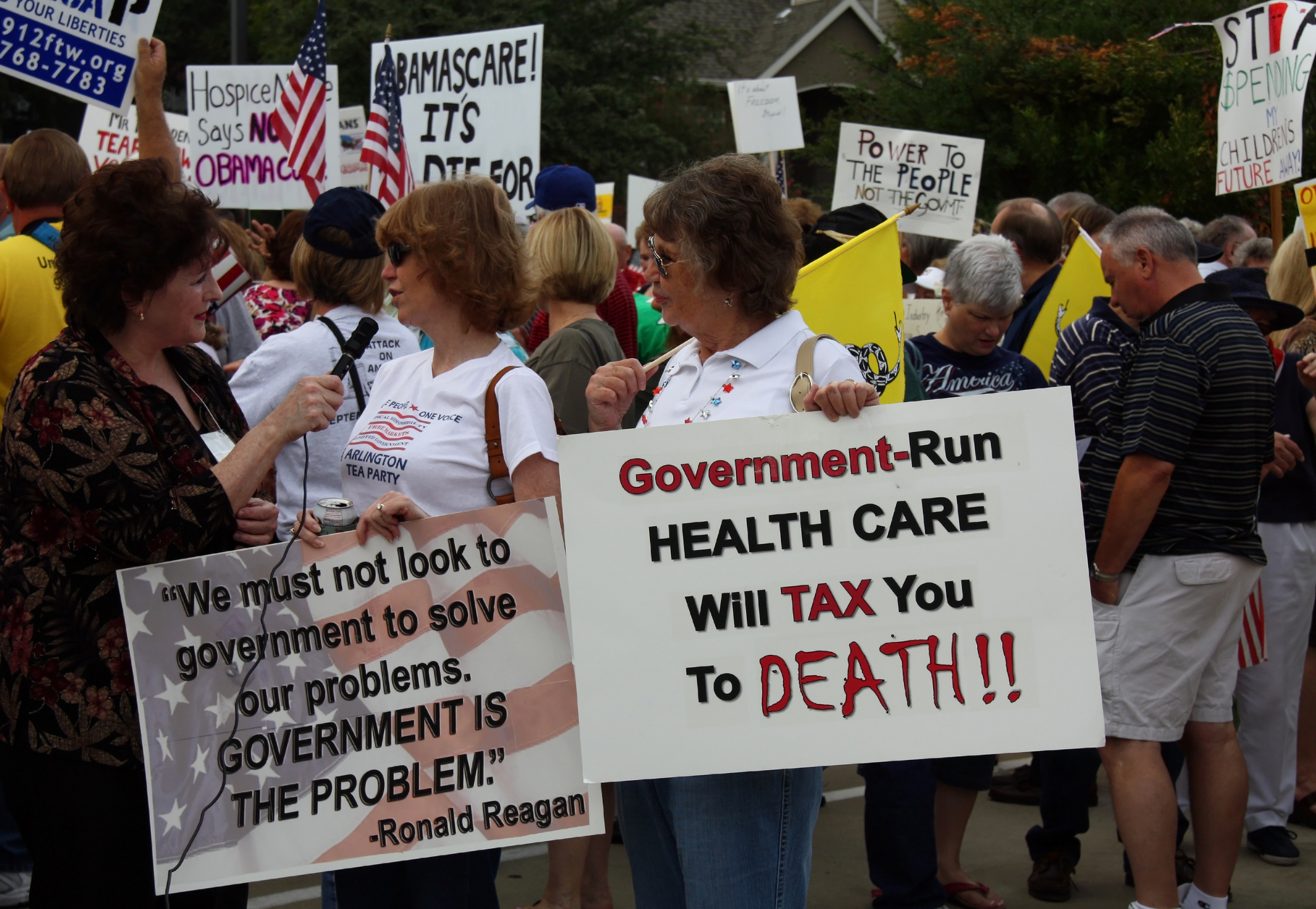
TRENTON, N.J. — Homeowners across New Jersey are absorbing rising property tax bills tied to municipal employee health insurance costs, a shift that effectively forces residents to pay twice as their own premiums climb while local governments pass along additional increases.
We’re all paying a lot for health care, but most of us are not only just paying our own, but we’re also paying for hundreds and thousands of public employees, teachers, police, firefighters, and yes, even politicians who don’t pay more than a small fraction of their benefits on their own.
This madness has to stop.
Municipal leaders often frame these tax hikes as unavoidable, pointing to annual spikes in health insurance premiums for public employees. But for many residents, that explanation rings hollow: their own household healthcare costs are rising too, without guaranteed salary increases or public backstops.
The Cost Shift Residents Can’t Ignore
The core frustration is simple and grounded in everyday math. Private-sector workers routinely shoulder higher deductibles, increased premiums, and reduced coverage. Those increases come out of personal income, not a broader tax base.
When towns raise property taxes to offset similar increases for public employees, the burden shifts outward. Residents aren’t just managing their own healthcare inflation—they’re subsidizing another system on top of it.
That dynamic has fueled a growing perception of imbalance. While public employees often contribute toward their benefits, critics argue the structure still insulates them from the full impact of rising costs in ways private workers don’t experience.
A Structural Problem, Not a One-Year Spike
Health insurance inflation is not new, and municipalities know it. Premium increases have been a recurring budget pressure for years, not an unforeseen emergency.
That raises a larger question: why are towns still defaulting to tax increases instead of structural adjustments?
Options exist, though none are politically easy. Municipalities can renegotiate plan designs, adjust employee contribution levels, explore alternative insurance models, or push for broader reforms at the state level. Each path requires negotiation and trade-offs—but they directly address the underlying issue rather than shifting costs to taxpayers.
—
Key Points
• New Jersey homeowners face rising property taxes tied to municipal health insurance costs
• Residents already pay higher personal healthcare premiums without offsetting income increases
• Critics argue towns rely on tax hikes instead of structural cost reforms
—
The Equity Argument
At the heart of the debate is fairness.
When a private employee’s healthcare premium rises 5%, that worker absorbs the difference. There is no automatic salary adjustment tied to healthcare inflation. Raises, if they come at all, depend on performance, market conditions, and employer discretion.
By contrast, when municipal healthcare costs increase, towns frequently respond by raising property taxes—spreading the burden across the entire community regardless of income growth.
That disconnect fuels the “double taxation” argument: residents pay more for their own coverage and then again through higher taxes funding public employee benefits.
Why This Matters Beyond One Budget Cycle
Property taxes in New Jersey are already among the highest in the nation. Incremental increases tied to healthcare costs compound over time, affecting housing affordability, retirement planning, and long-term residency decisions.
For fixed-income homeowners, even modest annual increases can create real financial strain. Younger families, already navigating high housing costs, face additional pressure that can influence whether they stay in a community at all.
This isn’t just about one line item in a municipal budget—it’s about the sustainability of the state’s tax structure.
A Call for Policy, Not Patchwork
Municipal officials are not wrong to highlight rising healthcare costs. The pressure is real, and budgets must balance. But relying on property tax increases as the primary solution is a short-term fix that shifts, rather than solves, the problem.
Residents are asking for a different approach: one that treats healthcare inflation as a shared challenge requiring shared adjustments—not a recurring justification for higher taxes.
That could mean tougher negotiations, redesigned benefits, or advocacy for statewide reform. It almost certainly means moving away from the assumption that taxpayers will absorb every increase without question.
What Happens Next
Budget cycles across New Jersey will continue to reflect healthcare cost pressures, and many towns are expected to revisit tax rates as premiums rise. The question is whether those discussions will include structural changes or continue the pattern of passing costs directly to residents.
For now, the issue remains unresolved, but increasingly visible—especially to homeowners watching both their insurance bills and property taxes climb in tandem.