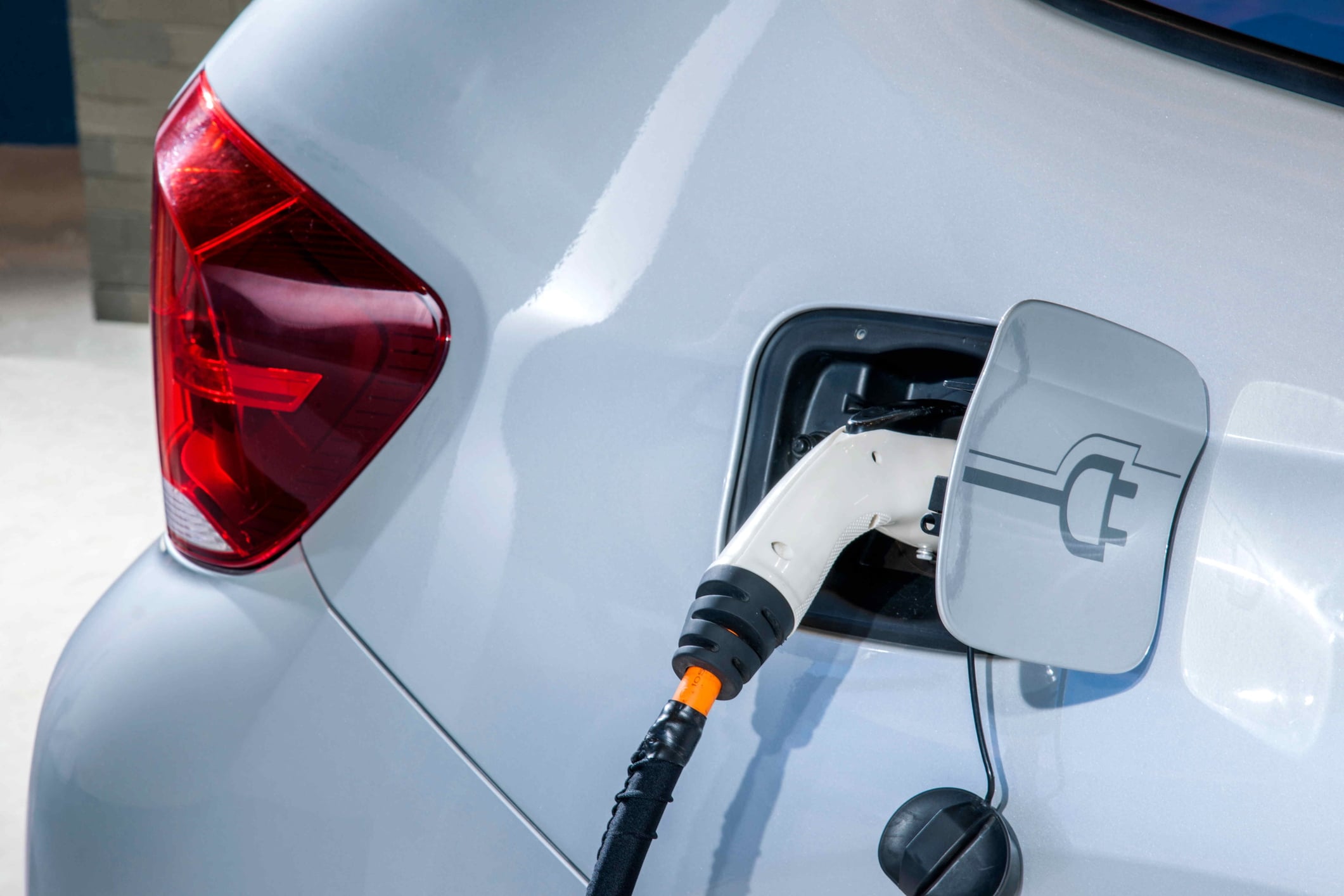
TRENTON, N.J. – New Jersey’s plan to phase out the sale of new gasoline-powered passenger vehicles by 2035 remains firmly in place under Gov. Mikie Sherrill, despite questions from motorists, auto dealers, and lawmakers about whether the state would reconsider the mandate amid affordability concerns and changes in federal policy.
The New Jersey Department of Environmental Protection adopted the state’s Advanced Clean Cars II (ACC II) regulations, aligning New Jersey with California’s vehicle emissions standards and requiring automakers—not consumers—to steadily increase the percentage of new zero-emission vehicles they sell each year until all new light-duty cars, pickup trucks, and SUVs sold in the state are zero-emission by 2035.
While the rule does not prohibit residents from owning or driving gasoline-powered vehicles, it gradually limits the sale of new internal combustion engine vehicles by requiring manufacturers to meet annual zero-emission vehicle sales targets.
Rule targets emissions from New Jersey’s largest polluting sector
State environmental officials said the transportation sector remains New Jersey’s largest source of greenhouse gas emissions, making passenger vehicles a central focus of the state’s climate strategy.
In adopting the ACC II regulations, the DEP concluded the rules are “necessary for the State to reduce the State’s greenhouse gas emissions and mitigate the most severe impacts of climate change.”
The department also cited significant air quality benefits beyond carbon emissions.
“On-road sources within the transportation sector are responsible for 45 percent of New Jersey’s annual statewide NOx emissions” and “10 percent of New Jersey’s annual statewide PM2.5 emissions,” according to the DEP’s regulatory findings. The agency noted those pollutants contribute to ozone formation and fine particulate pollution, both of which have been linked to respiratory and cardiovascular illnesses.
Under the ACC II framework, conventional gasoline-powered vehicles are also subject to tighter exhaust emission standards while automakers increase production and sales of battery-electric, hydrogen fuel cell, and qualifying plug-in hybrid vehicles.
Sherrill continues Murphy-era clean vehicle policies
Since taking office, Sherrill has continued the clean transportation policies adopted under former Gov. Phil Murphy rather than seeking to repeal or suspend them.
Although the governor declared an energy affordability emergency earlier this year in response to rising electricity prices, her administration has not proposed ending New Jersey’s participation in the Advanced Clean Cars II program.
Environmental organizations, including the Sierra Club, have praised the administration for continuing the state’s transition toward cleaner transportation.
“With the election of Mikie Sherrill as New Jersey’s 57th governor, the Sierra Club is hopeful that she will energize New Jersey’s transportation picture by strengthening NJ Transit and continuing the push to electrify the transportation sector,” the organization wrote in a March policy update.
The group also urged the administration to expand electric vehicle incentives and continue investing in electric school buses and charging infrastructure.
EV sales slow as incentives disappear
The state’s long-term policy remains in place even as electric vehicle sales have slowed following the expiration or reduction of several financial incentives.
According to Sierra Club New Jersey, New Jersey residents registered 43,461 new electric vehicles during 2025, down from 60,832 in 2024. The organization attributed much of the decline to the elimination of New Jersey’s sales tax exemption on electric vehicles, reductions in state purchase incentives, the addition of a $1,000 annual EV registration fee, and the end of federal tax credits under the Trump administration.
National trends also reflected slower growth.
Cox Automotive reported that new EV sales represented 7.8% of all U.S. vehicle sales during 2025, slightly below the previous year’s market share. Kelley Blue Book estimates electric vehicles will account for approximately 8% of new vehicle sales in 2026.
Despite the slowdown, automakers remain legally obligated to comply with New Jersey’s annual ACC II sales requirements unless the regulations are amended or repealed through the state’s rulemaking process.
Questions remain about affordability and infrastructure
As the 2035 deadline approaches, debate continues over whether New Jersey’s charging network, electrical grid, and vehicle affordability will keep pace with the state’s goals.
Many dealers have expressed concerns about consumer demand, while some school districts have declined electric bus grants because of infrastructure costs associated with installing charging equipment.
The Sierra Club noted that 114 approved electric school bus grants were declined by school districts, citing higher-than-expected infrastructure expenses and, in some cases, political opposition.
At the same time, the New Jersey DEP announced another $17.8 million in funding earlier this year for 53 additional electric school buses, including grants allowing some districts to lease buses instead of purchasing them outright.
New Jersey’s Advanced Clean Cars II regulations will influence the types of new vehicles available for purchase over the next decade and could reshape one of the state’s largest industries. The policy affects consumers shopping for new vehicles, automobile dealerships, charging infrastructure companies, electric utilities, manufacturers, and businesses that operate vehicle fleets.
Because transportation is the largest contributor to New Jersey’s greenhouse gas emissions, state officials view vehicle electrification as one of the primary tools for meeting long-term environmental and air quality goals.
Local Impact
For New Jersey residents, the rule does not require replacing existing gasoline-powered vehicles or prohibit the purchase of used gas-powered cars. Instead, it establishes annual sales requirements for manufacturers selling new vehicles in the state.
Consumers are likely to see a growing selection of electric vehicles at dealerships over the coming years, while charging infrastructure is expected to continue expanding. Auto dealers, repair shops, utilities, and municipalities may also continue adapting to increased EV adoption as the state’s requirements become more stringent.
Unless modified through future regulatory or legislative action, New Jersey’s ACC II program will continue phasing in higher zero-emission vehicle sales requirements each year through 2035.
State officials are expected to continue evaluating charging infrastructure, vehicle adoption rates, and air quality goals as implementation progresses, while lawmakers and industry groups are likely to continue debating affordability, consumer demand, and the pace of the transition.
Sources
- New Jersey Department of Environmental Protection
- Advanced Clean Cars II regulations
- New Jersey Register regulatory adoption documents
- Sierra Club New Jersey
- Cox Automotive
- Kelley Blue Book
FAQ
- Does New Jersey ban gasoline-powered cars in 2035?
No. The rule applies to the banning of the sale of new vehicles. Existing gasoline-powered vehicles may continue to be owned, driven, and sold as used vehicles. - Who must comply with the rule?
The regulations establish annual zero-emission vehicle sales requirements for automakers selling new vehicles in New Jersey. - Why did New Jersey adopt ACC II?
The DEP said the rule is intended to reduce greenhouse gas emissions and improve air quality by lowering emissions from the transportation sector. - Has Gov. Mikie Sherrill canceled the rule?
No. The Sherrill administration has continued implementing the ACC II framework adopted by the previous administration. - Why have EV sales slowed?
Industry and advocacy groups cite the expiration of federal tax credits, reduced state incentives, new registration fees, and affordability concerns among the factors affecting demand.
Key Points
- New Jersey continues implementing its Advanced Clean Cars II regulations requiring all new light-duty vehicle sales to transition to zero-emission models by 2035.
- State officials say the policy is necessary because transportation is New Jersey’s largest source of greenhouse gas emissions and a major contributor to air pollution.
- The program remains in effect under Gov. Mikie Sherrill despite slowing EV sales, higher electricity costs, and ongoing debate over affordability and charging infrastructure.