New Jersey’s transportation system, once the backbone of the Northeast, is in shambles, stranding commuters, travelers, and residents in a web of delays, breakdowns, and frustration.
From Newark Liberty International Airport’s alarming 90-second blackout to the looming NJ Transit strike and crumbling highways, the Garden State’s planes, trains, and automobiles are failing us. Billions in federal infrastructure spending from the Obama and Biden administrations have poured into the system, yet the results are abysmal.
Where did the money go? Was it squandered on diversity, equity, and inclusion (DEI) initiatives, as some claim, or is the problem deeper? It’s time for answers and action before this crisis paralyzes our state.
Newark Airport: Blind and Broken
Newark Liberty International Airport, a major hub, recently suffered a terrifying 90-second outage where air traffic controllers lost contact with planes, leaving them “flying blind.”
This failure, caused by aging equipment, triggered massive delays, cancellations, and diversions, with airlines like United halting operations and JetBlue bussing passengers from other airports.
The incident exposed the fragility of Newark’s air traffic control systems, which couldn’t withstand a brief glitch without plunging the airport into chaos. Staffing shortages and ongoing runway construction only worsened the situation, turning a critical gateway into a national embarrassment.
How does a vital airport like Newark remain so vulnerable despite years of alleged federal investment?
NJ Transit: Bracing for Collapse
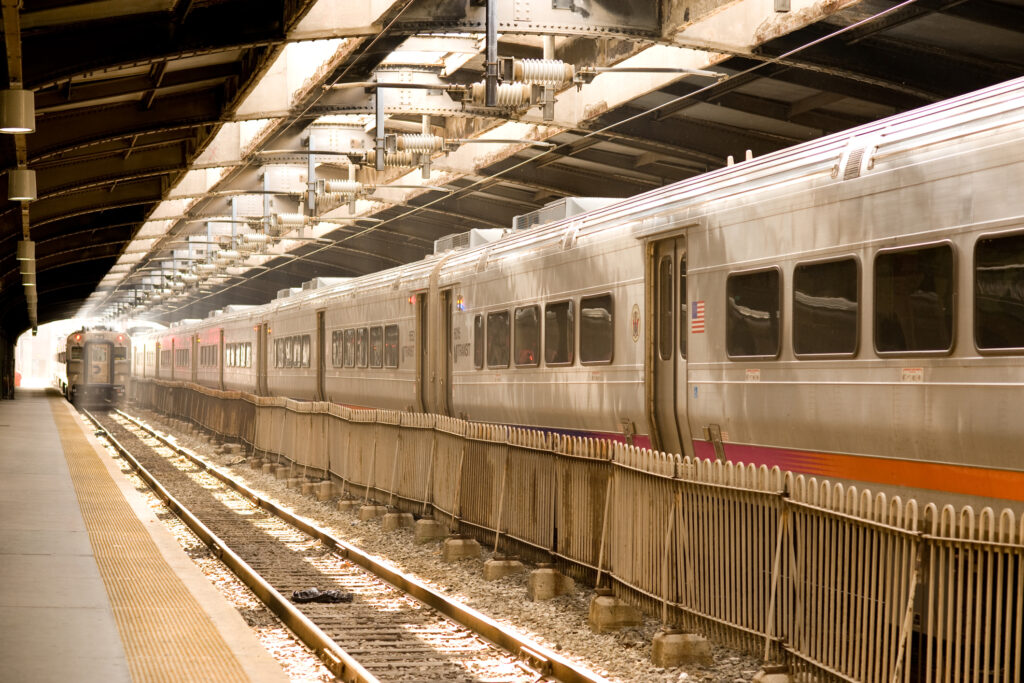
NJ Transit faces a potential rail strike that could halt service for hundreds of thousands of daily commuters.
With contract talks faltering, a shutdown looms, and the agency’s contingency plans—limited bus services—won’t come close to meeting demand. Commuters already endure cancellations, overcrowding, and steep fares, yet the system teeters on the brink. A strike would clog highways, disrupt businesses, and strand workers, amplifying the pain of an already unreliable network.
Commuters are bracing for complete chaos.
After years of fare hikes and service cuts, NJ Transit’s failures raise questions about whether infrastructure funds were misallocated or simply insufficient.
Highways: Sinking Roads and Cost is Rising
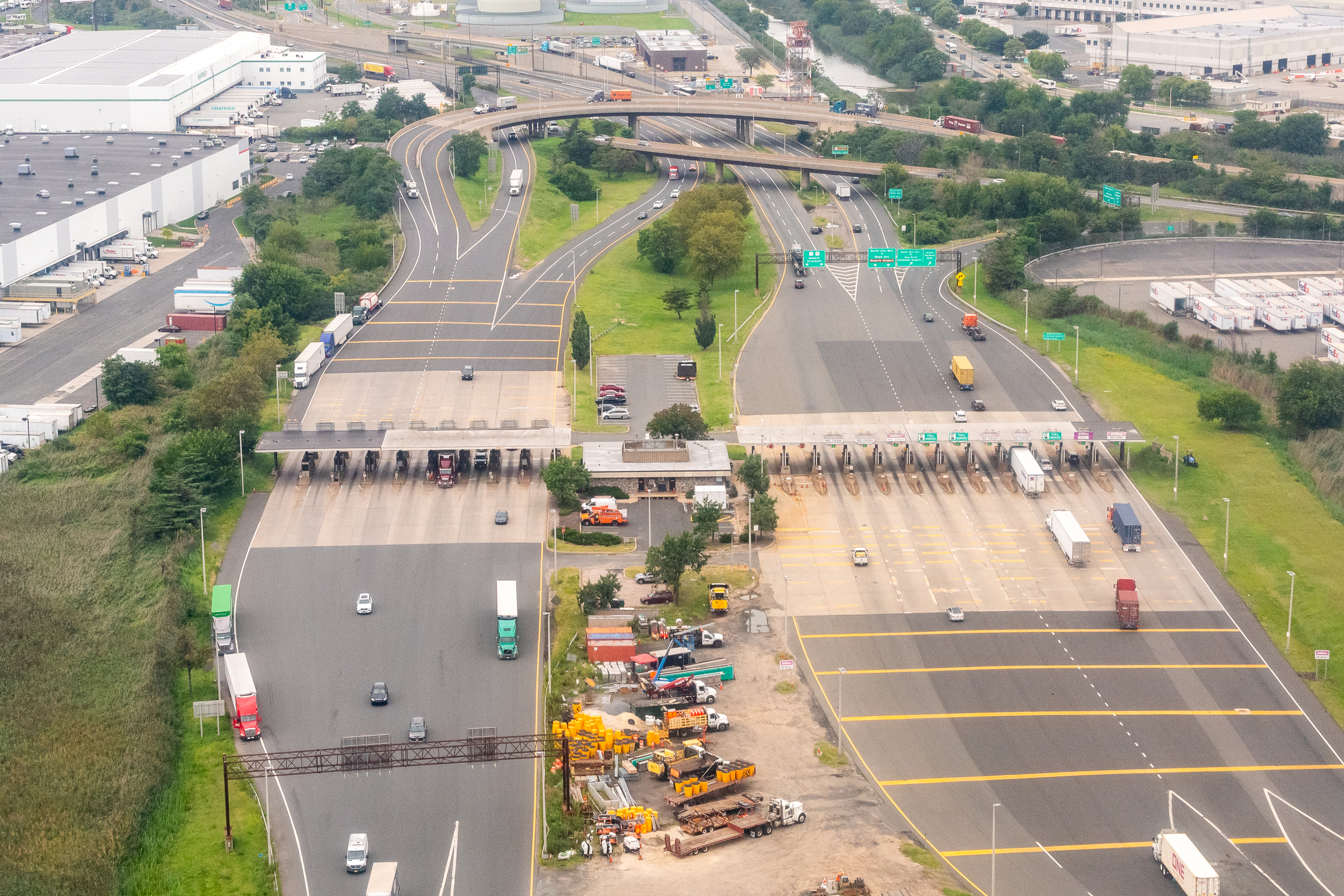
New Jersey’s roads are literally collapsing, with sinkholes disrupting major highways and turning commutes into ordeals. Repairs are slow and costly, while tolls on the Turnpike and Parkway keep rising, burdening drivers already hit with high gas taxes.
The state’s push to ban gas-powered cars by 2035 adds uncertainty—how will we charge millions of electric vehicles when our roads and grid are crumbling?
Infrastructure neglect is evident in every pothole and traffic jam, yet drivers face endless fees to fund a system that barely functions.
Where Did the Infrastructure Money Go?
From 2009 to 2025, the Obama and Biden administrations allocated massive sums for infrastructure, including $48 billion for transportation under Obama’s 2009 Recovery Act and $25 billion for airports alone under Biden’s 2021 Bipartisan Infrastructure Law. New Jersey airports, including Newark, received millions for terminal upgrades, baggage systems, and runways.
Yet, the recent Newark outage suggests critical systems like air traffic control remain outdated.
Nationally, Obama’s funds improved 42,000 miles of roads and 2,700 bridges, while Biden’s law funded projects like $53 million for New Jersey airports in 2024.
But the results are underwhelming—airports falter, trains fail, and roads decay.
Some critics, including voices on X, claim DEI initiatives diverted funds from core infrastructure.
They point to FAA hiring programs under Obama and Biden that prioritized diversity, alleging these lowered standards for air traffic controllers. However, no evidence directly links DEI to the Newark outage or broader failures.
Air traffic control staffing shortages predate these programs, and the FAA’s workforce remains highly trained, with only 4% Black pilots and no documented safety issues tied to diversity hiring. Claims that Biden’s entire $1.6 trillion infrastructure push went to “green pet projects” or DEI are exaggerated—grants clearly funded tangible projects like runways and bridges.
Still, the gap between spending and results raises legitimate questions. Bureaucratic inefficiencies, corporate subsidies, and a focus on flashy terminal upgrades over critical systems like radar may have diluted the impact. For example, while Newark got funds for passenger amenities, its air traffic control equipment lagged, contributing to the 90-second blackout.
A System in Crisis, A State at a Malfunctioning Crossroad
The root issue is chronic underinvestment in critical systems, compounded by poor prioritization. Newark’s outage, NJ Transit’s fragility, and sinking highways reflect decades of neglect, not just DEI distractions.
Federal funds often flow to visible projects—new terminals, green initiatives—while aging equipment and overworked staff are ignored. New Jersey’s leaders must demand accountability for every dollar spent and push for investments that prioritize reliability over optics.
A Call for Action
New Jersey’s transportation system is on life support, and empty promises won’t fix it. We need modern air traffic control systems that don’t go dark, a fully funded NJ Transit that averts strikes, and highways that don’t collapse. Federal and state leaders must scrutinize spending to ensure funds target critical needs, not just ribbon-cutting ceremonies.
Toll hikes and EV mandates must be paired with tangible improvements, not wishful thinking sprinkled progressive fairy dust.
The Garden State deserves a transportation system that works.