TRENTON, NJ – New Jersey Governor Phil Murphy has recently made headlines with his unwavering support of the Advanced Clean Cars II (ACCII) proposal filing. This bold environmental step requires vehicle manufacturers to gradually increase zero-emission vehicle (ZEV) sales, culminating in 100% ZEVs by 2035.
Though laudable in intent, this decision raises numerous concerns.
What Murphy and his green energy cohorts are ignoring are the potential pitfalls and unintended consequences of this regulation, affecting fuel prices, the electrical grid, the auto industry, and the global market for used gasoline-powered vehicles.
Impact on Fuel Prices
A swift transition from gasoline-powered vehicles may lead to unpredictability in fuel prices. Reduced demand for gasoline may force local suppliers to reconsider pricing, potentially resulting in fluctuating prices. On a global scale, reduced demand for fossil fuels may affect geopolitics, international relations, and the economic stability of oil-rich nations.
Strains on the Electrical Grid
The rapid transition to electric vehicles (EVs) implies a corresponding surge in electricity demand. The current electrical grid, designed to meet existing needs, might be strained under this newfound pressure. Investments in infrastructure will be required to meet the additional load. This includes more power plants, enhanced grid reliability, and charging infrastructure. Such massive overhauls will need careful planning, budgeting, and coordination across various sectors.
Financial Strains for New Jerseyans: Gas tax and energy costs
Some experts believe the switch to EVs will not only raise energy prices across the board, but will be a double financial whammy for New Jerseyans due to the state’s gasoline tax. As more EVs are on the road, the gas tax, by law must increase significantly for those still driving gasoline-powered cars, including the shipping, manufacturing and retail economies.
Not only will the cost of gasoline rise, the cost of transporting goods on New Jersey’s roads will increase through an increase in the gas tax. Those left using gas-powered vehicles for commerce could see gas prices as high as $6 to $7 per gallon like in Europe.
That means higher prices for consumers in New Jersey, giving other states that do not adopt the policy clear economic advantages over New Jersey.
Are EVs Ready?
With a mandatory shift to EVs, the question of readiness arises. Presently, electric vehicles represent only a small fraction of the automotive market. Scaling this up to 100% by 2035 is ambitious. Critical considerations include:
- Range and Charging Infrastructure: Is there enough charging infrastructure to support the exponential growth of EVs? Can EVs offer the range needed for all types of consumers?
- Battery Technology: The production and disposal of lithium batteries present environmental concerns. Effective recycling and responsible sourcing of materials must be part of the equation.
- Cost: The affordability of EVs compared to traditional gasoline vehicles remains a concern for many consumers. Ensuring that EVs are accessible to all will be a significant challenge.
- Safety: Fire departments across America are dealing with the new reality of intense EV fires and current training standards and tools may not be able to keep up with the pace of these dangerous fire incidents.
Impact on the Auto Industry
Traditional automakers must now accelerate their transition to EV technology. This can lead to a short-term economic burden as companies invest in research, development, and retooling manufacturing processes.
Disposal of Old Cars
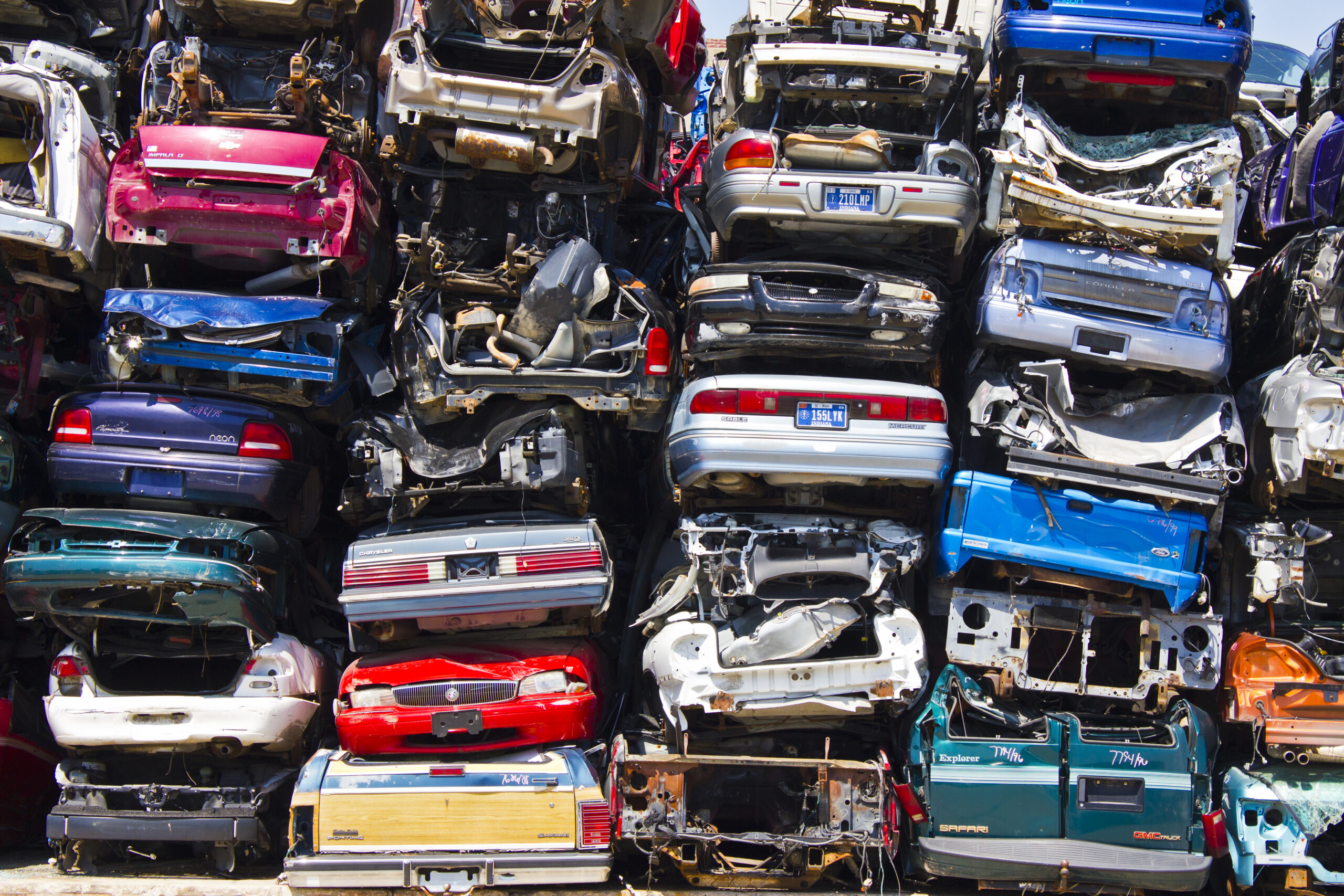
With the phase-out of gasoline-powered cars, questions arise about what to do with the existing fleet. Will they be recycled and destroyed, or will they be sold to foreign countries? This leads to the central question: Are we truly removing these cars from the world’s inventory, or are they simply going to become another country’s problem?
Governor Murphy’s ACCII proposal is undoubtedly a noble step forward in the fight against climate change. However, the path to 100% ZEVs by 2035 is fraught with challenges and uncertainties.
The technology might just not be there yet.
Careful consideration of these aspects and collaboration between government, industry, and consumers is essential to make this transition smooth, sustainable, and inclusive.
The decision by New Jersey to join the Accelerating to Zero Coalition’s Zero Emission Vehicle (ZEV) Declaration is also indicative of the state’s commitment to global climate goals.
But the road ahead is long and winding, and the journey must be made with eyes wide open to potential pitfalls and opportunities for genuine, lasting change.