Monmouth County takes control of 411-acre Marlboro State Hospital property for new parkland
Marlboro, NJ – Friday — More than two decades after its closure, the former Marlboro State Psychiatric Hospital site is entering a new chapter as Monmouth County officially assumes land management responsibilities for the 411-acre property, paving the way for its transformation into public parkland.
County officials made the announcement at the historic site on County Route 520 during a formal event, declaring that the Monmouth County Park System will begin developing plans for passive recreation use, including walking and hiking trails. The goal, officials said, is to open portions of the trails to the public by the end of the year.
The facility, which operated from 1931 until it was shuttered by the state in 1998, has long been the subject of redevelopment and preservation efforts. The newly signed agreement between Monmouth County and the State of New Jersey finalizes the long-anticipated transfer of land management, allowing county agencies to begin official work on converting the area into Marlboro County Park.
Marlboro Psychiatric Hospital, located in Marlboro Township, New Jersey, was established as a state-run facility for the treatment of mental illness. Construction began in 1929, and the hospital officially opened in early 1931 under the direction of Dr. J.B. Gordon. Initially designed to house 500 to 800 patients with plans for expansion to 2,000, it spanned 468 acres that later grew to 594 acres. The campus featured 17 Tudor-style cottages arranged in an elliptical pattern, emphasizing a cottage system for grouping patients by similar diagnoses. Over the years, it evolved to treat children starting in 1939 and expanded services to accommodate overflow from other institutions, reflecting the broader trend of institutional care for mental health in the mid-20th century.
During its operational peak, the hospital offered a range of psychiatric treatments and support programs. These included experimental therapies like hypnosis, insulin treatments for schizophrenia, and later initiatives such as Bridgeway House for post-recovery residential care and Discovery House for substance abuse treatment. The facility operated its own farm on 760 acres, where patients contributed labor to produce food, and maintained amenities like an orchestra, snack shops, and recreational activities including dances and scouting programs. With a staff of over 1,100 by the 1990s and an annual budget exceeding $50 million, it also ran outpatient clinics and had dedicated fire and police departments, aiming to create a self-contained community for long-term patient care.
The hospital’s history was marred by numerous scandals involving abuse, neglect, and corruption. Investigations as early as the 1940s revealed patient beatings, while later probes in the 1960s and 1980s uncovered understaffing, fire hazards, and inadequate treatment for vulnerable groups like sex offenders. A major 1979 food poisoning outbreak killed five patients due to unsanitary conditions, and the 1990s brought exposés of sexual assaults, fraudulent hiring practices, and patient deaths from mistreatment, including a broken neck incident. Senator Richard J. Codey’s undercover work in the early 1990s highlighted systemic failures, leading to leadership changes and heightened scrutiny.
Marlboro Psychiatric Hospital closed on July 1, 1998, following a 1995 decision by Governor Christine Todd Whitman to deinstitutionalize care and shift patients to community-based homes. Patients were relocated to other state facilities or supported with stipends for independent living, aligning with national mental health reform trends. The abandoned site became a source of local legends and trespassing until demolition began in 2013, completing by 2015, with the land repurposed by Monmouth County for recreational open space, including Big Brook Park.
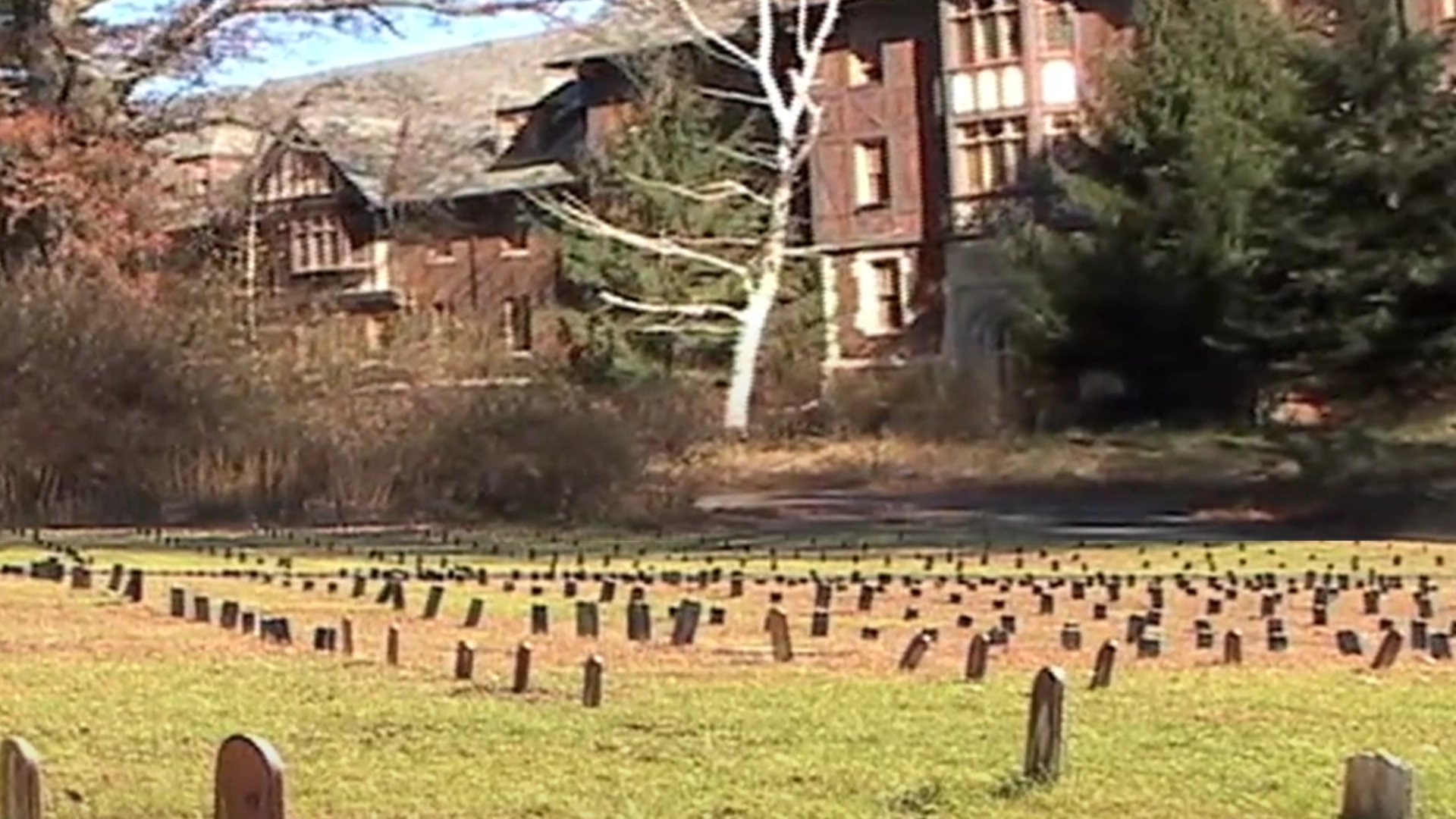
Today, only a wastewater treatment plant and a cemetery with 924 unmarked graves remain, serving as a reminder of the institution’s complex legacy in New Jersey’s mental health history.
“This is a milestone moment,” said Commissioner Director Thomas A. Arnone. “We’re now moving forward with turning this property into a space that welcomes visitors and offers meaningful recreation opportunities.”
Commissioner Ross F. Licitra, liaison to the Monmouth County Park System, emphasized the economic and environmental value of open space preservation. “When we preserve open space, it attracts people to Monmouth County, and those people support local businesses,” he said.
The property’s addition brings the county’s total preserved open space to over 75,000 acres, according to Board of Recreation Commissioner Michael G. Harmon, who applauded the County Commissioners for delivering on their promise to protect open land.
Marlboro Mayor Jonathan Hornik, a longtime advocate for the site’s preservation, said Friday’s announcement was the culmination of efforts dating back to his earliest days in office. “Preserving these 411 acres has always been vital to our community,” Hornik said. “Today’s transfer from the state to the county ensures this land will be enjoyed by generations to come.”
The public announcement was streamed live on the Monmouth County Government’s official social media platforms.
Key Points
- Monmouth County has assumed land management of the 411-acre Marlboro State Hospital site.
- The County Park System plans to develop trails and open space, aiming for public access by year’s end.
- The land transfer raises Monmouth’s total preserved acreage to over 75,000.
A former psychiatric hospital site will soon welcome hikers as Monmouth County turns 411 acres into parkland.