
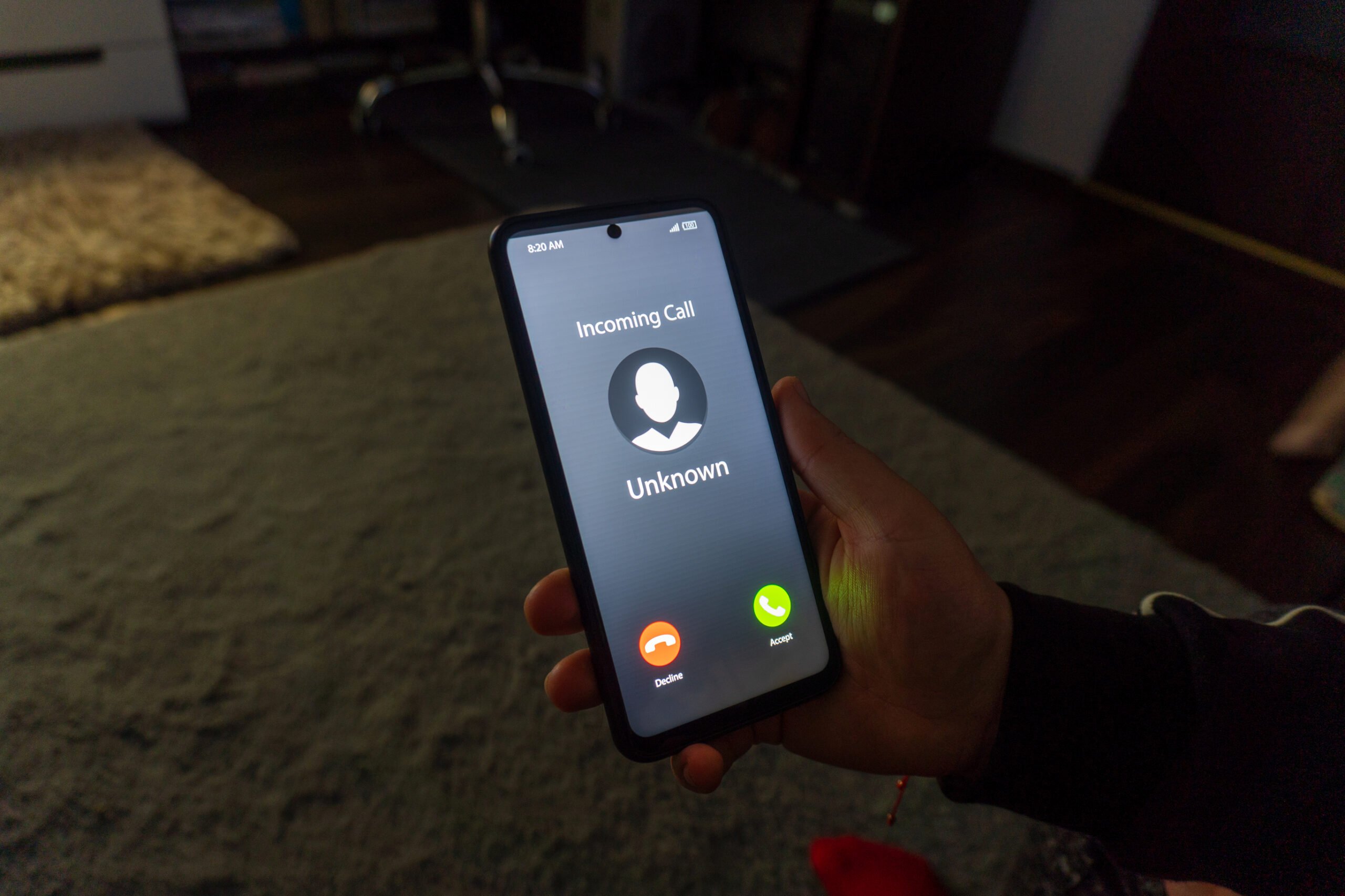
Authorities say scammers are impersonating state agencies, banks, and toll services to steal money and personal information from residents.
Trenton, NJ – Officials across New Jersey are warning residents about a growing number of scams circulating across the state in 2025 and early 2026. Many of the schemes involve criminals posing as government agencies, financial institutions, or municipal offices to pressure victims into providing sensitive information or making payments.
Consumer protection officials say scammers often rely on spoofed phone numbers, convincing emails, and text messages that appear legitimate. These tactics are designed to create urgency so victims respond quickly without verifying the source.
Key Points
• Scammers are impersonating government agencies, banks, and toll services across New Jersey
• Fraud attempts are commonly delivered through phone calls, text messages, and emails
• Officials urge residents to verify requests and never send money or personal data to unknown sources
Fake New Jersey Department of Health calls
One of the newest scams involves callers pretending to represent the New Jersey Department of Health. Victims are told their identity was used to obtain illegal prescriptions in another state.
The caller may claim the victim is under investigation and must verify personal information to resolve the issue. Officials stress that the Department of Health does not call residents demanding personal data or threatening penalties.
E-ZPass and MVC text scams
Another common scheme involves text messages claiming to come from New Jersey E-ZPass or the Motor Vehicle Commission. These messages warn recipients that they owe unpaid tolls and must click a link to avoid late fees or license suspension.
State officials say these messages are fraudulent. The MVC only sends text messages for appointment reminders and does not collect payments through text links.
SNAP and EBT benefit fraud
Food assistance recipients have also been targeted by scammers pretending to be representatives of SNAP or EBT programs. Victims are told their benefits card must be verified or unlocked.
During the call or message exchange, scammers ask for the card number and PIN. Once obtained, criminals can quickly drain the benefits from the account.
Bank security impersonation
In another widespread scheme, scammers pose as fraud investigators from banks. They claim a victim’s account has been compromised and request sensitive information to secure the account.
These calls may appear legitimate because criminals often spoof the bank’s phone number. Financial institutions warn that legitimate bank representatives will never ask customers to share PIN numbers or full verification codes.
Fake municipal invoices
Some residents have reported receiving emails that appear to come from local government offices. These messages often request payment for permits, service fees, or municipal charges.
In towns such as Montclair, scammers have sent fraudulent invoices designed to look official. Residents are urged to verify any unexpected government payment request directly with their local municipality.
IRS and tax refund phishing
Tax-related scams also continue to target residents, especially during filing season. Fraudsters send emails or text messages claiming to be from the Internal Revenue Service.
The messages often request banking information to process a refund or resolve an alleged tax issue. Federal officials note that the IRS typically communicates through official mail rather than unsolicited emails or texts.
How residents can protect themselves
Authorities say residents should always verify the source of unexpected calls, texts, or emails requesting money or personal information. Hanging up and contacting the organization directly using an official phone number can prevent many scams.
Officials also advise residents not to click on suspicious links or download attachments from unknown senders. Government agencies will not demand payment through gift cards, wire transfers, or urgent online links.
Residents who encounter suspicious messages or believe they have been targeted by fraud are encouraged to report the incident to the Federal Trade Commission or local law enforcement.