


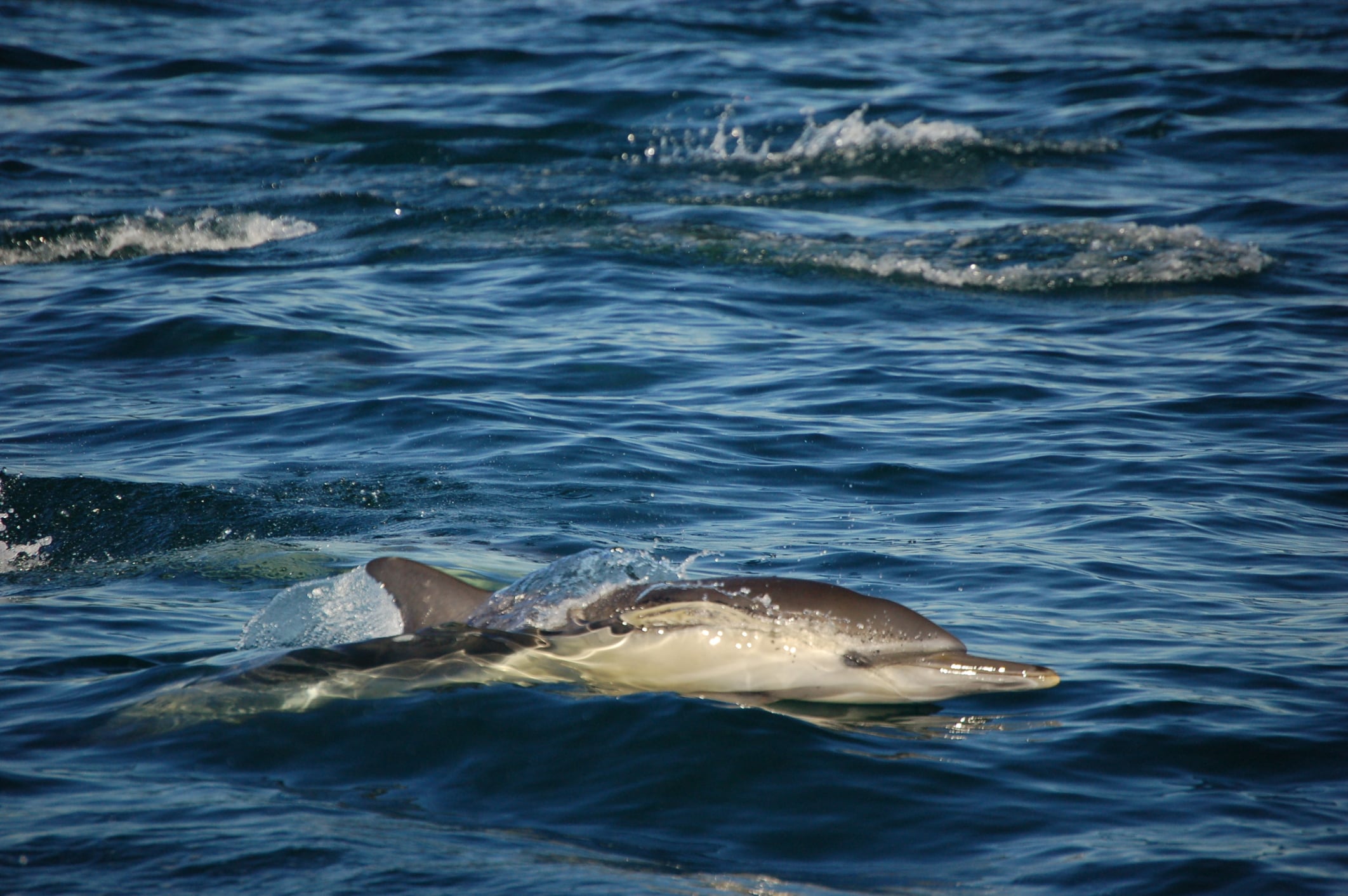
Ocean County, NJ – If it seems like dolphins are far more common along the Jersey Shore than they were when you were growing up, you’re not imagining it. Marine scientists say bottlenose dolphin sightings have increased dramatically since the 1970s and 1980s, thanks to decades of conservation efforts and improving environmental conditions.
It seems that when we were children, we found more needles and plastic applicators on New Jersey’s beaches than dolphins in the water. The only dolphins we ever knew were the Miami Dolphins and we thought dolphins were just a Florida thing.
Sure, we would see one here and there, but it was a spectacle that made the local newspapers at times.
It’s not your imagination. It’s true.
Today, it’s not unusual for beachgoers, boaters, and anglers to spot pods of dolphins just beyond the surf or swimming through bays and coastal rivers from Sandy Hook to Cape May. Their return reflects major changes in the health of New Jersey’s coastal ecosystem.
Federal protections helped populations recover
One of the biggest turning points came in 1972 with the passage of the Marine Mammal Protection Act, which made it illegal to hunt, capture, harass, or kill marine mammals in U.S. waters. Before then, dolphin populations faced pressure from hunting and accidental deaths in commercial fishing operations.
That same year, Congress passed the Clean Water Act, leading to decades of improvements in water quality. As pollution from untreated sewage, industrial waste, and stormwater runoff declined, New Jersey’s rivers, estuaries, and coastal waters became healthier habitats for marine life.
The return of bunker brought dolphins back
Perhaps the most important factor has been the recovery of Atlantic menhaden, commonly known in New Jersey as bunker.
During the late 20th century, heavy commercial fishing sharply reduced menhaden populations. Interstate fisheries managers later imposed catch limits, allowing the species to rebound. Today, massive schools of bunker are once again common along the Jersey Shore, attracting bottlenose dolphins that rely on the oily fish as a primary food source.
As a result, dolphins frequently follow bait schools close to beaches, into Barnegat Bay, the Shrewsbury and Navesink rivers, and other coastal waterways.
Warmer waters extend dolphin season
Rising Atlantic Ocean temperatures have also changed dolphin migration patterns.
Bottlenose dolphins generally prefer water temperatures around the 70-degree range. As coastal waters warm earlier in the spring and remain warmer later into the fall, dolphins are spending more time feeding off New Jersey before migrating south for the winter.
The longer seasonal window has made dolphin sightings increasingly common for residents and visitors alike.
A sign of healthier coastal waters
Scientists caution that dolphins still face threats, including entanglement in fishing gear, boat strikes, marine debris, and harmful algal blooms. However, their growing presence along the Jersey Shore is widely viewed as an encouraging indicator of improving marine ecosystem health.
For many longtime New Jersey residents, the frequent sight of dolphins just offshore is one of the most visible signs that decades of environmental protection, fisheries management, and cleaner waterways are making a lasting difference.