
Jackson zoning officials questioned a proposal for a 10,000-square-foot home with 5 basement bedrooms on Clearstream Road over concerns about shared use and the area’s limited infrastructure
JACKSON, N.J. – A proposal for a spacious new home on Clear Stream Road drew questions from Jackson Township zoning board members this week, as officials debated whether the project could lead to shared or multi-family use and whether the surrounding infrastructure could handle additional large-scale developments.

During the hearing, board members discussed a variance application for the construction of a roughly 6,800-square-foot two-story home with an additional 4,000-square-foot basement. The applicant, represented by an LLC, sought approvals for a single-family residence with multiple bedrooms, bathrooms, and a proposed backyard pool.
Board members say the layout plans for the home raise the suspicion that it was being built as a rental property, or perhaps a dormitory of some kind, due to its construction, multiple bathrooms, and bedrooms.
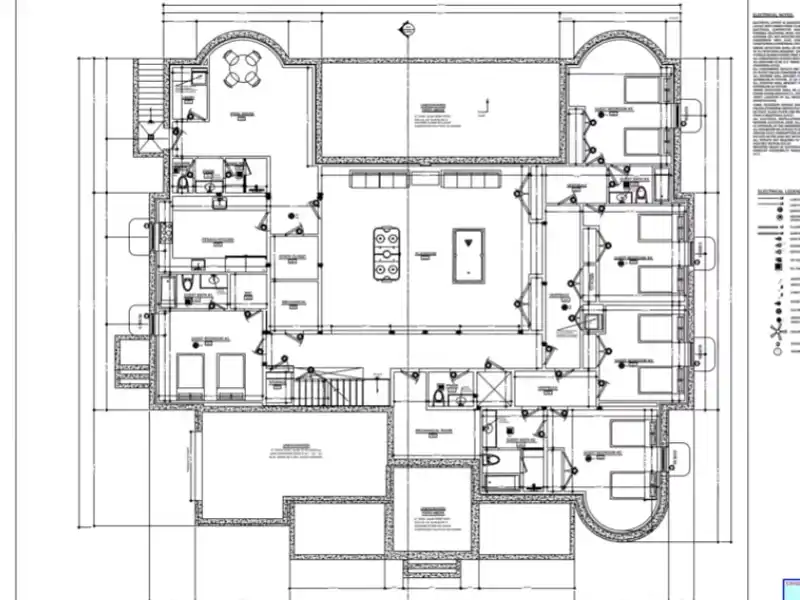
Board member concerns centered on whether the home’s design — including five basement bedrooms and several bathrooms — suggested possible shared or rental use, rather than a traditional single-family dwelling.
“The nature of this home and the homes being built around it make it important that we’re clear about how it will be used,” one member said, adding that the size and layout raised “suspicious” questions about shared occupancy.
Architect Samuel Flegman, testifying on behalf of the applicants, told the board that the property is intended for private residential use by the owners who plan to relocate to Jackson full-time.
“Although it’s under an LLC, the idea is for them to actually live in it themselves,” Flegman said. “They have children in the area and need space to accommodate family gatherings and holidays.”
Flegman told the board that while the structure includes five basement bedrooms, the design is meant to accommodate family gatherings and holiday visitors. “Although it’s under an LLC, the idea is for them to actually live in it themselves,” he said. “They have children in the area and need space to host family.”
However, several board members were uneasy about the layout, suggesting that the floor plan could be used for multi-tenant or “single-room occupancy” purposes.
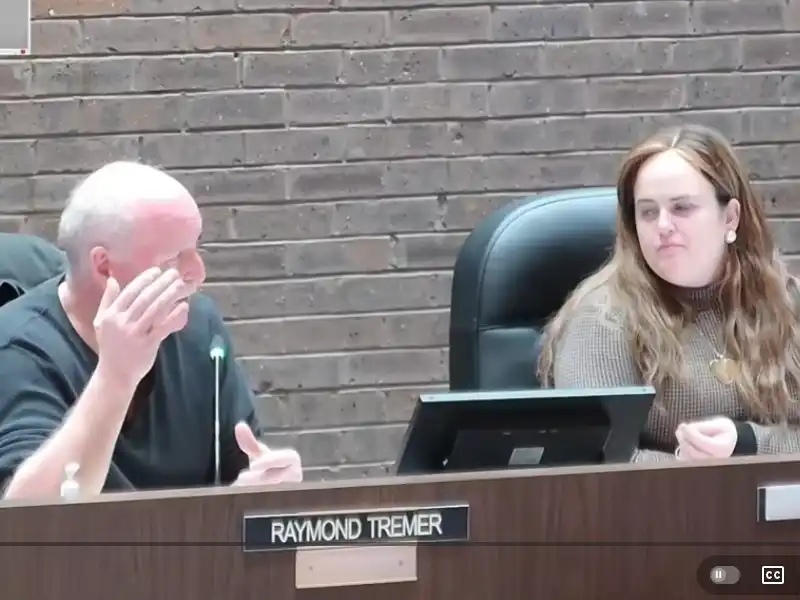
Board member Ray Tremer, a firefighter and building inspector, said the home’s design raised red flags.
“It must have a lot of children, because everything’s labeled as a guest room,” Tremer said. “Me, as a firefighter inspector looking at it, this screams single-room occupancy. That’s kind of what some people are thinking — you have a kitchen, you have a laundry room, you have a side entrance, a separate entrance. It does seem very awkward, for lack of a better way to put it.”
Tremer added that while the applicant could place deed restrictions on the property, enforcement would remain a major concern. “Who’s going to enforce it?” he asked. “This doesn’t look good.”
Flegman pushed back, calling the design “a high-end luxury home” not intended for shared rental use. He said the floor plan meets all code requirements and that basement egress windows and utility rooms were standard for safety and functionality.
According to plans submitted, the home would feature four bedrooms on the second floor, one on the main floor, and five in the basement, with multiple bathrooms throughout. Flegman said the basement bathrooms include one with outdoor access to serve as a pool bathroom, “acting a bit like a pool house.”
Beyond questions about occupancy, several board members voiced concerns about infrastructure. They discussed the need for sidewalks, drainage, and other improvements before allowing continued construction of large homes in older, rural sections of Jackson. “If we’re going to start having large homes with large families, I think we need to start making sure that we have all the infrastructure in place before these things are built,” one member said.
The discussion reflected growing tension in Jackson over rapid residential growth and the expansion of large custom-built homes in neighborhoods originally designed for smaller properties.
The board did not take a final vote on the application, opting to continue its review at a later meeting.