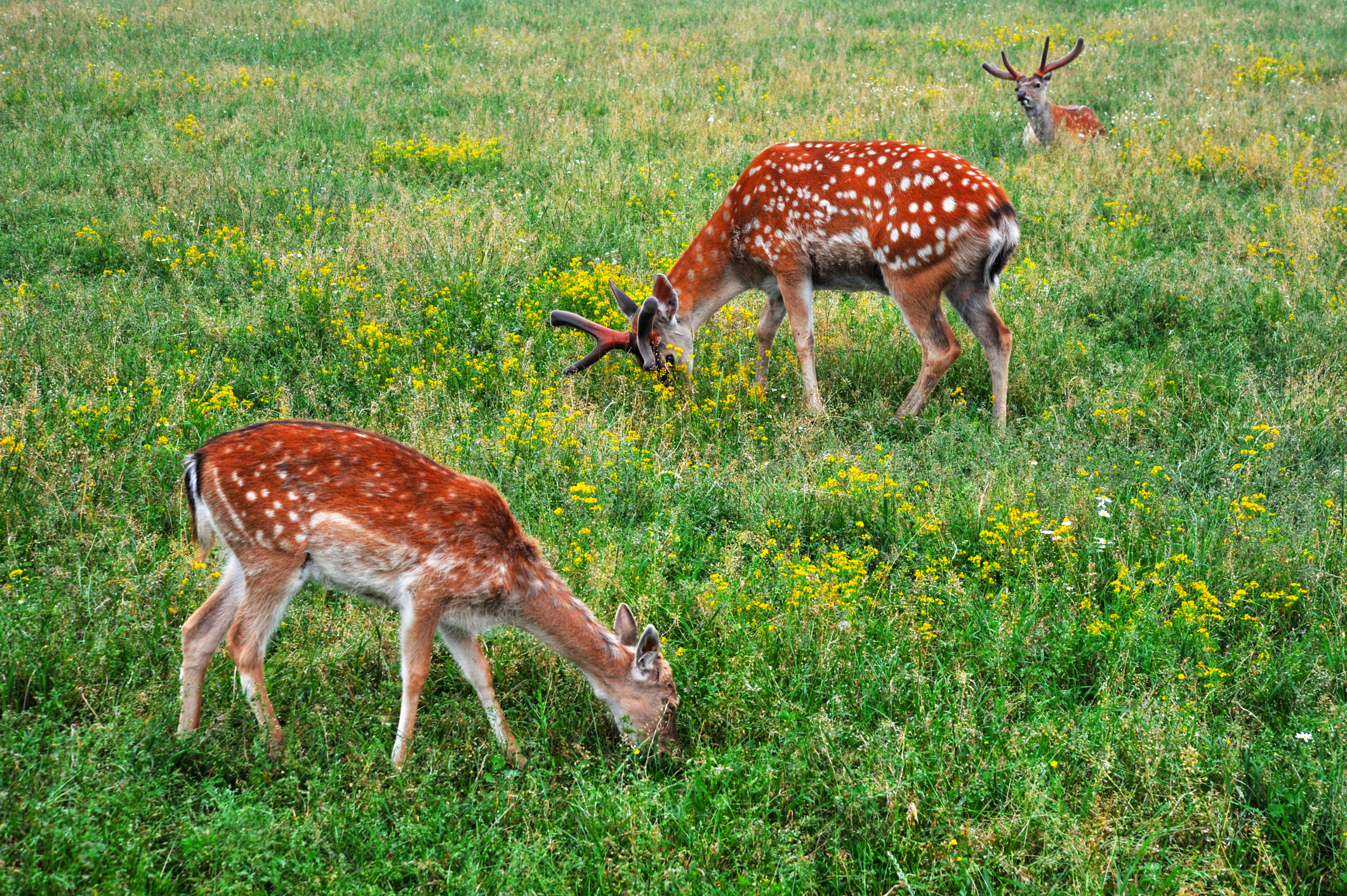
As spring blooms across New Jersey, residents may stumble upon a heart-melting sight: a fawn curled up in their backyard, its wide eyes and delicate frame tucked into the grass. While the instinct to help is natural, wildlife experts urge caution—interfering with a baby deer can do more harm than good. With deer populations thriving in suburban and rural areas of the Garden State, here’s what every New Jersey resident should know when encountering a fawn in their yard.
Understanding Fawn Behavior
White-tailed deer, common throughout New Jersey, have adapted to life alongside humans. From May through July, does (female deer) give birth to fawns, often leaving them hidden in tall grass, gardens, or wooded areas while they forage. “Fawns are born with almost no scent and a natural instinct to stay still, which protects them from predators,” explains Dr. Emily Carter, a wildlife biologist with the New Jersey Division of Fish and Wildlife. “The mother isn’t abandoning her fawn—she’s strategically keeping it safe.”
A fawn’s spotted coat camouflages it against the landscape, and it may remain motionless for hours. This behavior often leads well-meaning residents to assume the fawn is orphaned or injured. However, in most cases, the mother is nearby and will return under the cover of dusk or dawn.
Tips for New Jersey Residents
If you discover a fawn in your yard, follow these expert-backed tips to ensure its safety:
- Don’t Touch or Move the Fawn
Resist the urge to pick up or pet the fawn. Human scent can attract predators, and handling may stress the animal. “Fawns are delicate, and unnecessary interaction can disrupt their natural behavior,” says Carter. Observe from a distance instead. - Keep Pets and People Away
Leash your dogs and ask children to steer clear. Curious pets or loud noises can scare the fawn, causing it to flee prematurely and risk injury or separation from its mother. Create a quiet buffer zone around the fawn’s location. - Avoid Feeding
Fawns rely on their mother’s milk for nutrition. Human foods or milk can harm their digestive systems. Feeding wildlife is also illegal in New Jersey without a permit, as it can habituate animals to humans and lead to dangerous encounters. - Monitor from Afar
If you’re concerned about the fawn’s well-being, check on it discreetly over 24–48 hours. Look for signs that the mother is returning, such as a change in the fawn’s position or a healthy, alert appearance. “A fawn that’s curled up and quiet is usually fine,” Carter notes. “One that’s crying persistently or appears injured may need help.” - Know When to Call for Help
If the fawn shows signs of distress—such as visible injuries, weakness, or if it’s still alone after 48 hours—contact a licensed wildlife rehabilitator. In New Jersey, organizations like The Raptor Trust (908-647-2353) or Woodford Cedar Run Wildlife Refuge (856-983-3329) can assist. Avoid contacting the New Jersey Division of Fish and Wildlife directly for non-emergencies, as they prioritize licensed rehabilitators for wildlife care.
Why It Matters in New Jersey
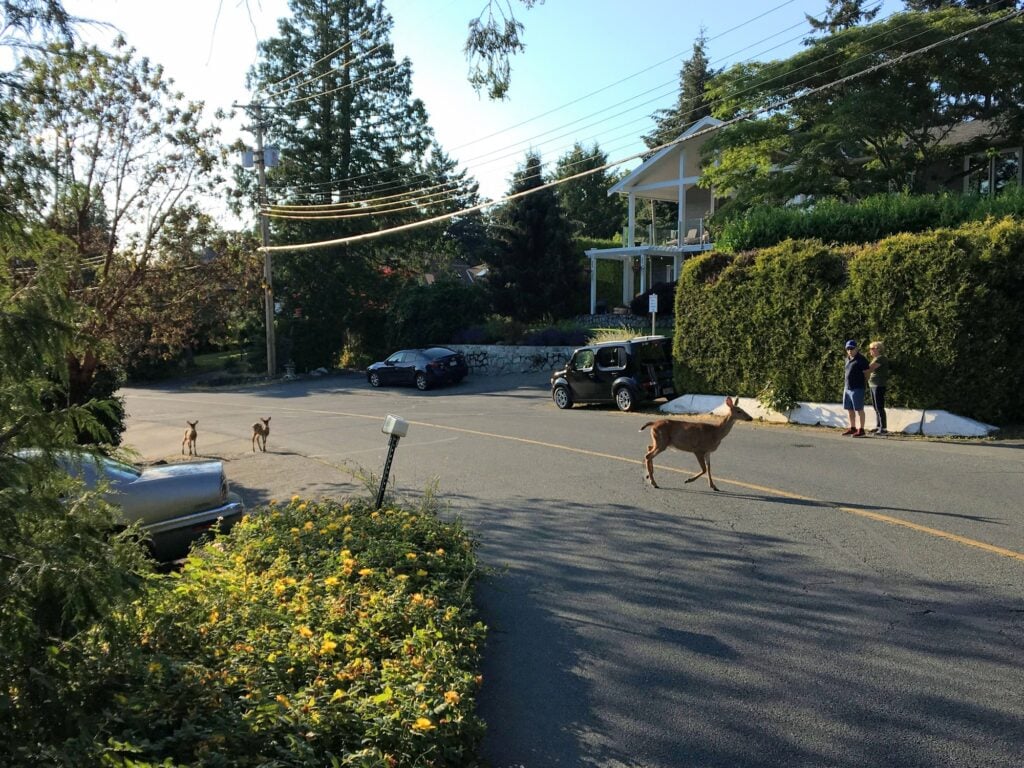
New Jersey’s mix of suburban sprawl and forested areas makes it a hotspot for human-deer interactions. The state’s deer population, estimated at over 100,000, thrives in places like Morris, Hunterdon, and Monmouth counties. However, habitat loss and vehicle collisions pose challenges for deer, and well-intentioned human interference can add stress to fawns.
Coexisting with Wildlife
Finding a fawn in your yard is a reminder of New Jersey’s rich biodiversity. To coexist peacefully with deer, consider planting deer-resistant plants like lavender or foxglove to deter browsing in your garden. Secure trash cans and avoid leaving pet food outdoors to prevent attracting wildlife. If you live near wooded areas, drive cautiously at dawn and dusk to avoid deer crossings.
By respecting a fawn’s space and resisting the urge to intervene, you’re helping ensure it grows up wild and healthy. “Nature has a plan,” DeLambert says. “Our job is to step back and let it work.”
For more information on New Jersey wildlife or to find a licensed rehabilitator near you, visit the New Jersey Division of Fish and Wildlife website at www.njfishandwildlife.com. Let’s keep the Garden State a safe haven for its youngest residents—one fawn at a time.