
Restaurants, breweries and small businesses near MetLife Stadium say World Cup match days have brought road closures, empty parking lots and fewer customers instead of the surge in business many expected.
When FIFA announced that MetLife Stadium would host some of the world’s biggest soccer matches, many businesses surrounding the Meadowlands anticipated weeks of packed dining rooms, crowded bars and a major financial boost.
Instead, some business owners say World Cup match days have become some of their slowest days of the summer.
Rather than benefiting from tens of thousands of soccer fans descending on East Rutherford, businesses in nearby Carlstadt, Secaucus and surrounding communities say extensive security measures, highway closures and strict transportation restrictions have kept customers away while doing little to generate new foot traffic.
Road closures and traffic warnings keeping customers away
To manage the massive crowds, New Jersey officials have encouraged fans to avoid driving and instead use NJ TRANSIT, buses and rideshare services.
Many stadium parking lots are restricted to advance permit holders, while certain roads, ramps and entrances near MetLife Stadium have been periodically closed or heavily controlled by law enforcement before and after matches.
At the same time, state officials have repeatedly urged residents to work remotely or avoid traveling through the Meadowlands during major matches.
Governor Mikie Sherrill has encouraged commuters who have the flexibility to work from home on World Cup match days, while NJ TRANSIT has implemented special operating plans, including temporary restrictions at New York Penn Station that reserve some train access for ticketed soccer fans during peak travel periods.
Those public warnings, intended to reduce congestion, appear to have had another effect.
Business owners say regular customers are simply staying away.
Restaurants report fewer customers than normal
Several businesses located just minutes from MetLife Stadium say the anticipated economic windfall has not materialized.
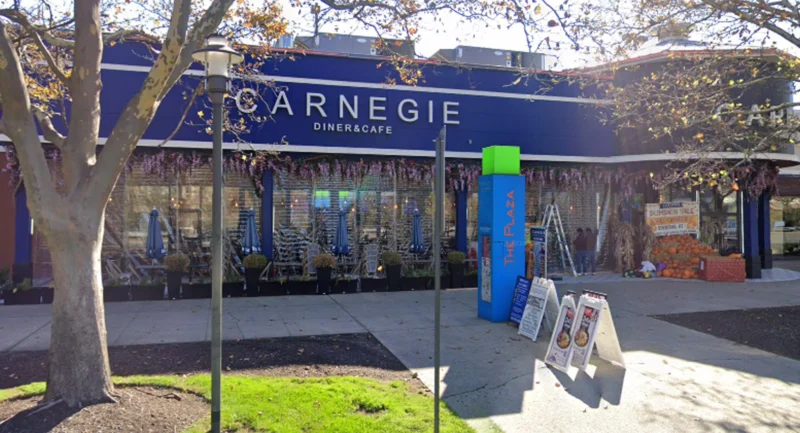
Carnegie Diner & Café in Secaucus has reported that traffic controls and closed highway access points have made it difficult for customers to reach the restaurant by car.
Owners have said closures affecting Route 3 and surrounding local streets have significantly reduced customer traffic on match days, even though the restaurant is located only a short distance from the stadium.
Instead of welcoming visiting soccer fans, the diner has experienced slower-than-normal business as local residents avoid the area altogether.
Brewery says expected crowds never appeared
Bolero Snort Brewery in Carlstadt has also reported disappointing business during the tournament.
Owners have said they expected international visitors and soccer fans to spill into nearby businesses before and after matches.
Instead, they say many fans are traveling directly between transit hubs and the stadium without stopping in surrounding communities.
At the same time, many of the brewery’s regular patrons have chosen to avoid the Meadowlands entirely because of repeated traffic advisories.
The result has been lower customer counts than on an ordinary weekend.
Some businesses adapt to changing crowds
Not every business has struggled.
Some establishments adjusted their operations before the tournament began.
Redd’s Restaurant and Bar in Carlstadt has continued offering shuttle transportation for fans traveling to the stadium and has expanded off-site tailgating opportunities designed specifically for World Cup visitors.
By creating services aimed directly at match attendees, some businesses have been able to capture at least part of the visitor traffic that otherwise bypasses the surrounding commercial districts.
Still, those businesses appear to be the exception rather than the rule.
Expectations collide with reality
Before the tournament, economic development officials and tourism advocates highlighted the World Cup as a once-in-a-generation opportunity expected to generate millions of dollars in economic activity throughout the region.
While hotels, airports and transportation providers have experienced increased demand, some businesses closest to the stadium say the promised benefits have been unevenly distributed.
Instead of spontaneous spending by visitors, many describe tightly managed transportation routes that move fans directly between trains, buses and the stadium with little interaction with nearby restaurants or retailers.
Security perimeters, controlled parking and traffic management plans have further limited access for local customers who might otherwise have visited businesses in the area.
Long-term impact remains to be seen
The tournament continues, including additional matches at MetLife Stadium and the World Cup Final.
It remains unclear whether later rounds will generate stronger spending at nearby businesses or whether the current pattern will continue.
For now, many owners say the combination of road closures, congestion warnings and restricted vehicle access has created an unintended consequence: the people who normally support local businesses are staying home, while many visitors pass through without stopping.
Key Points
• Several businesses near MetLife Stadium say World Cup match days have produced lower sales instead of the economic boost many expected.
• Business owners cite road closures, restricted parking, traffic controls and public congestion warnings as major reasons customers are avoiding the area.
• Some establishments, including Redd’s Restaurant and Bar, have adapted by offering shuttle services and tailgating options aimed at soccer fans, but others say visitor spending has fallen short of expectations.