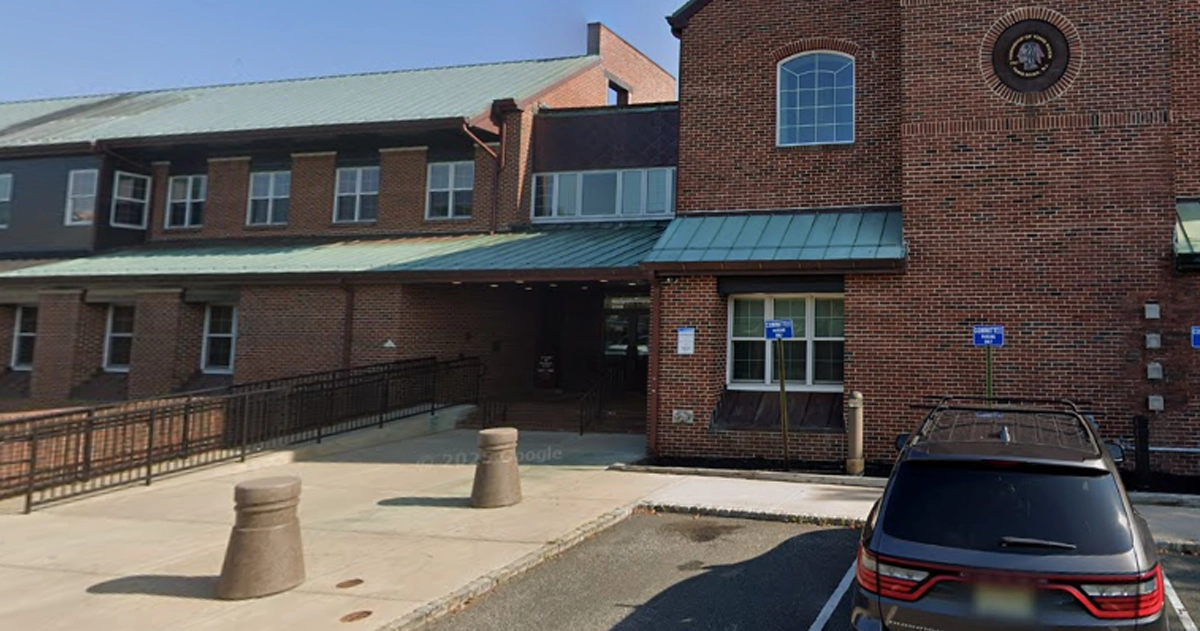
Toms River Council Members vote to approve Mayor Dan Rodrick’s housing settlement with the state of New Jersey, but three council members continue to put politics and petty differences ahead of the township’s future.
Toms River, New Jersey – The Toms River Township Council has approved the key component of Mayor Daniel Rodrick’s affordable housing plan, designating land along Route 9 near Lakewood for potential high-density development just ahead of a court-imposed deadline. The move, required under New Jersey’s Mount Laurel doctrine, is aimed at meeting the township’s state-mandated obligation to provide affordable housing while maintaining local control over development.
That plan ensured that for the next ten years, the township can control where builders put affordable housing apartment units, keeping their locations to existing apartment complexes and other existing areas of high density. It also provides the township with legal tools to restrict overdevelopment in sensitive residential areas and the downtown center.
The decision, finalized during an April 8 council meeting, comes under pressure from the New Jersey court system, which required municipalities to submit compliant housing plans or risk exposure to “builder’s remedy” lawsuits. The approval marks a significant shift following earlier council inaction and positions Toms River to seek state approval before a scheduled court hearing on April 23.
Council division and political tensions shape vote
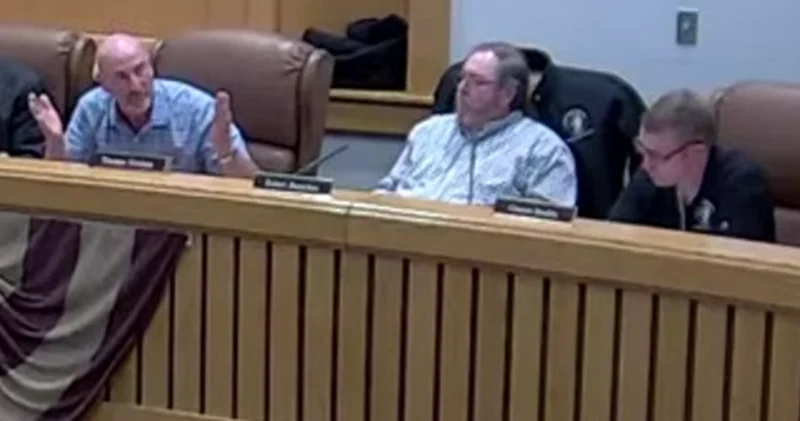
The vote exposed ongoing divisions within the Toms River Township Council, where political infighting has stalled progress on housing compliance in recent months. Council President Dave Ciccozzi broke from some council members to support the mayor’s proposal, helping secure approval for the Route 9 designation.
Mayor Rodrick said the strategy focuses on using township-owned land to retain control over future development decisions.
“When we looked into a property, we wanted to make sure it wasn’t near homes because people don’t want affordable housing, and we wanted to make sure we could designate something that we would have full control over,” Rodrick said.
The broader conflict involves factions within the local Republican Party, including disagreements with council members Clinton Bradley, Robert Bianchini, and Tom Nivison, who had previously resisted elements of the plan. Tensions have escalated during recent meetings, reflecting deeper disputes over growth, zoning, and governance.
During the meeting, Nivison, in his usual form, went on unhinged rants against the mayor and his arch-nemesis, 76-year-old councilwoman Lynn O’Toole. During the meeting, Nivison repeatedly attacked and screamed at the elderly councilwoman whom he has been targeting in recent meetings with foul and vulgar screaming sessions. Wednesday night was no different for Nivison, who has a history of verbal abuse against women, documented in several Toms River Police Department police reports over the years.
—
Key Points
• Toms River approved Route 9 site to meet affordable housing requirements
• Plan aims to avoid “builder’s remedy” lawsuits and retain local control
• Political divisions within council continue as legal challenges remain
—
Legal pressure and development risks drive urgency
The township’s actions come after missing a March 15 deadline to submit its affordable housing plan, prompting legal action from developers. Meridia Toms River 40 Urban Renewal LLC has filed a builder’s remedy lawsuit seeking approval for a six-story, high-density development near the downtown riverfront.
Under New Jersey law, municipalities that fail to meet their affordable housing obligations risk losing zoning control, allowing developers to pursue projects that may not align with local planning goals. The Route 9 designation is intended to demonstrate compliance and reduce that risk.
The current plan outlines a total of 186 affordable housing units to meet fourth-round Mount Laurel obligations. In addition to the Route 9 site near the Lakewood border, proposed locations include 134 units along Route 70 West, 48 units at Jamestown Village, and a small office-to-residential conversion along Route 37.
Broader housing policy reflects statewide pressures
Affordable housing requirements under the Mount Laurel doctrine continue to shape development across New Jersey, forcing municipalities to balance growth with infrastructure, zoning, and community concerns. Toms River’s approach—focusing on high-density development in targeted, township-controlled areas—reflects a broader strategy used by municipalities seeking to limit widespread overdevelopment.
Supporters argue the plan provides a structured way to meet legal obligations while avoiding uncontrolled growth, while critics remain concerned about density and long-term impacts. The township’s reliance on municipally owned land is intended to give officials greater oversight of how and when projects proceed.
The decision, however, came two weeks too late for the Meridia building, a two-story apartment twin-tower proposal in downtown Toms River. The council’s March denial of the agreement. That denial led Meridia to file a builder’s remedy lawsuit against the township to force the construction of the towers.
As of April, the township’s affordable housing plan remains subject to court review, and the builder’s remedy lawsuit is still active. The outcome of the April 23 hearing is expected to play a critical role in determining whether Toms River retains control over its development future.