A controversial New Jersey bill creating new criminal penalties for interference with reproductive health care services cleared another legislative hurdle after split committee votes in the Assembly.
TRENTON, N.J. — In New Jersey, you can protest and block access to colleges and federal buildings, but Democrats in the state legislature are drawing a line in the sand. A new bill seeks to criminalize similar protests at abortion clinics.
Legislation that would create a new crime for interfering with reproductive health care services and expand legal protections for patients and providers is moving forward in the New Jersey Legislature despite opposition from several Republican lawmakers.
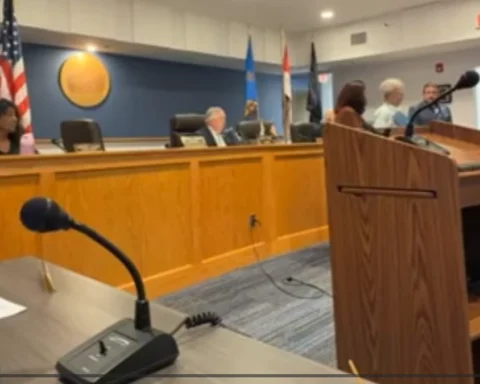
Assembly Bill A2218 advanced through both the Assembly Health Committee and the Assembly Appropriations Committee before receiving Assembly floor amendments this week.
Key Points
• A2218 would create a new crime of “interference with reproductive health care services.”
• The bill would expand protections for patients, providers, volunteers, and organizations involved in reproductive health care activity.
• Republican lawmakers opposed the measure, citing concerns about free speech, parental rights, and interstate legal cooperation.
The legislation cleared the Assembly Health Committee on May 14 by an 8-3 vote, with one member not voting. It later advanced from the Assembly Appropriations Committee on June 8 by a 9-4 vote, with two members not voting.
Supporters say the bill strengthens protections for individuals seeking or providing reproductive health care services in New Jersey and shields them from harassment, intimidation, and legal actions originating from states with more restrictive laws.
New Criminal Penalties Proposed
The bill would establish the crime of “interference with reproductive health care services” for individuals who intentionally obstruct access to reproductive health care facilities, threaten patients or providers, inflict bodily injury, or damage property associated with reproductive health care activities.
Under the legislation, offenses could be charged as second-, third-, or fourth-degree crimes depending on the severity of injuries involved.
The bill also authorizes civil lawsuits and permits courts to award damages, attorney fees, injunctions, and other remedies against individuals found liable for unlawful interference.
Privacy and Interstate Legal Protections Expanded
The proposal would prohibit certain disclosures of patient information related to reproductive health care activity and limit the use of New Jersey resources to assist out-of-state investigations seeking to impose liability for conduct that is legal in New Jersey.
Additional provisions would restrict extradition, subpoenas, search warrants, wiretaps, and certain law enforcement actions connected to out-of-state proceedings involving reproductive health care activity protected under New Jersey law.
The bill also applies to reproductive health care activity provided through telemedicine and telehealth services authorized by state law.
Republicans Raise Constitutional Concerns
A minority statement submitted by Assemblymen Robert Auth, Christian Barranco McClellan, Erik Peterson Myhre, and Jay Webber argued the legislation could infringe on constitutional rights and create legal uncertainty.
“The breadth of the bill’s provisions raises serious concerns regarding their potential impact on constitutionally protected speech, advocacy, and public protest activities,” the lawmakers wrote.
The legislators also questioned provisions involving transgender medical treatments, parental rights, professional licensing oversight, and New Jersey’s refusal to cooperate with certain out-of-state enforcement actions.
“Government should never criminalize or chill lawful speech and protest simply because elected officials disagree with the views being expressed,” the minority statement said.
Fiscal Impact Remains Unknown
The Office of Legislative Services concluded the bill would likely increase state and local government expenditures and revenues, though analysts said the exact impact cannot be determined because the number of future prosecutions and civil actions is unknown.
According to the fiscal analysis, additional costs could affect prosecutors, courts, public defenders, corrections officials, parole authorities, and other state agencies if enforcement actions increase.