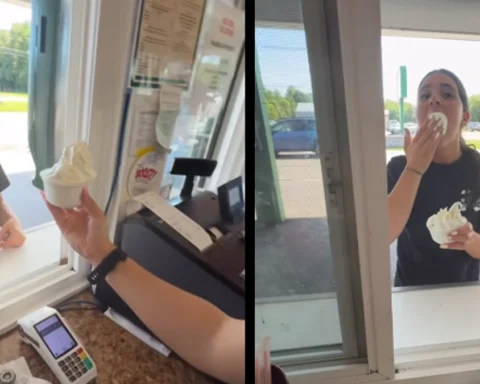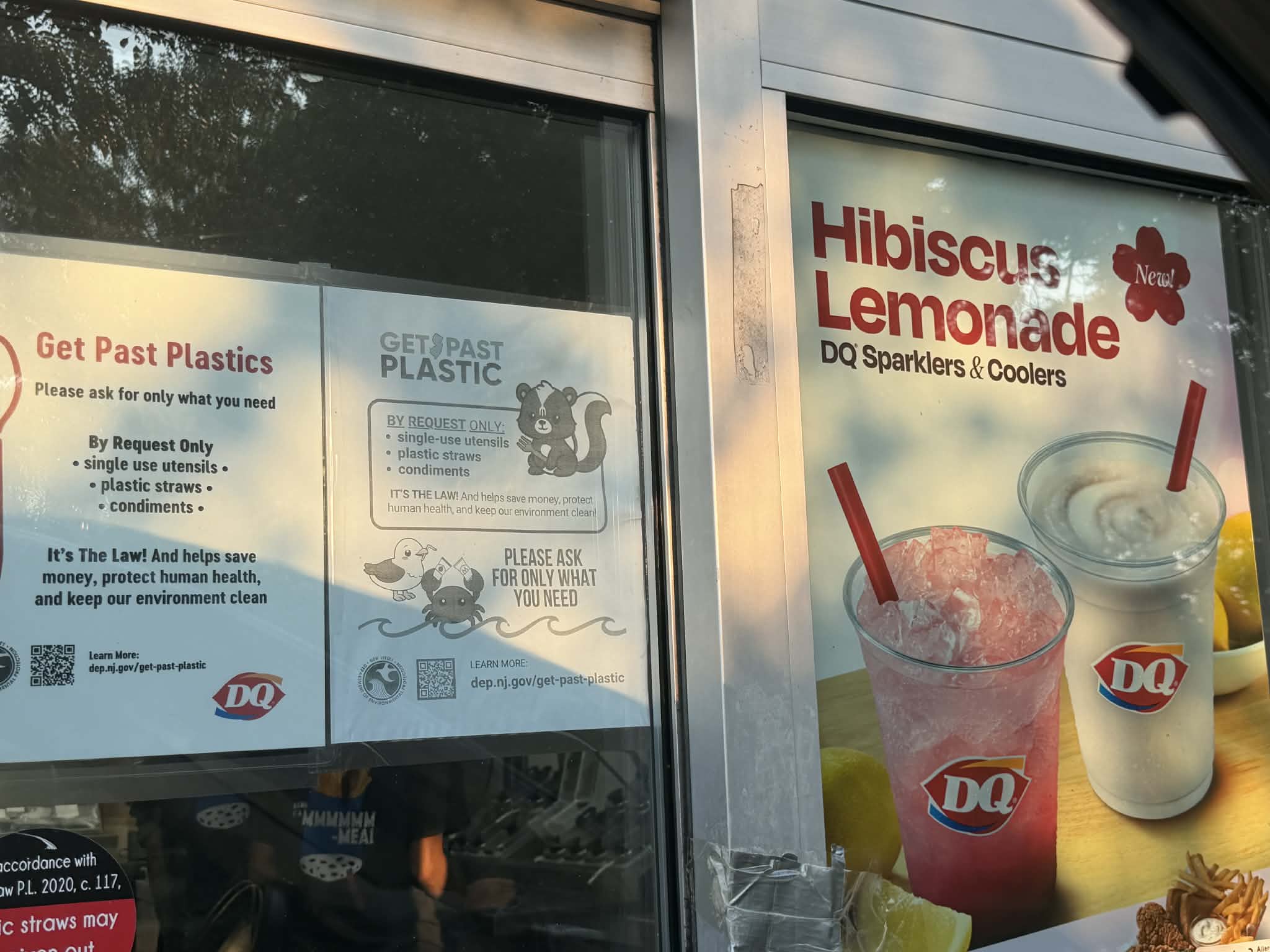
MILLSTONE, N.J. – Ordering a Blizzard at Dairy Queen or grabbing takeout anywhere in New Jersey may now come with an unexpected surprise: the virtue signaling coming out of Trenton these days…and your spoons, straws, and napkins.
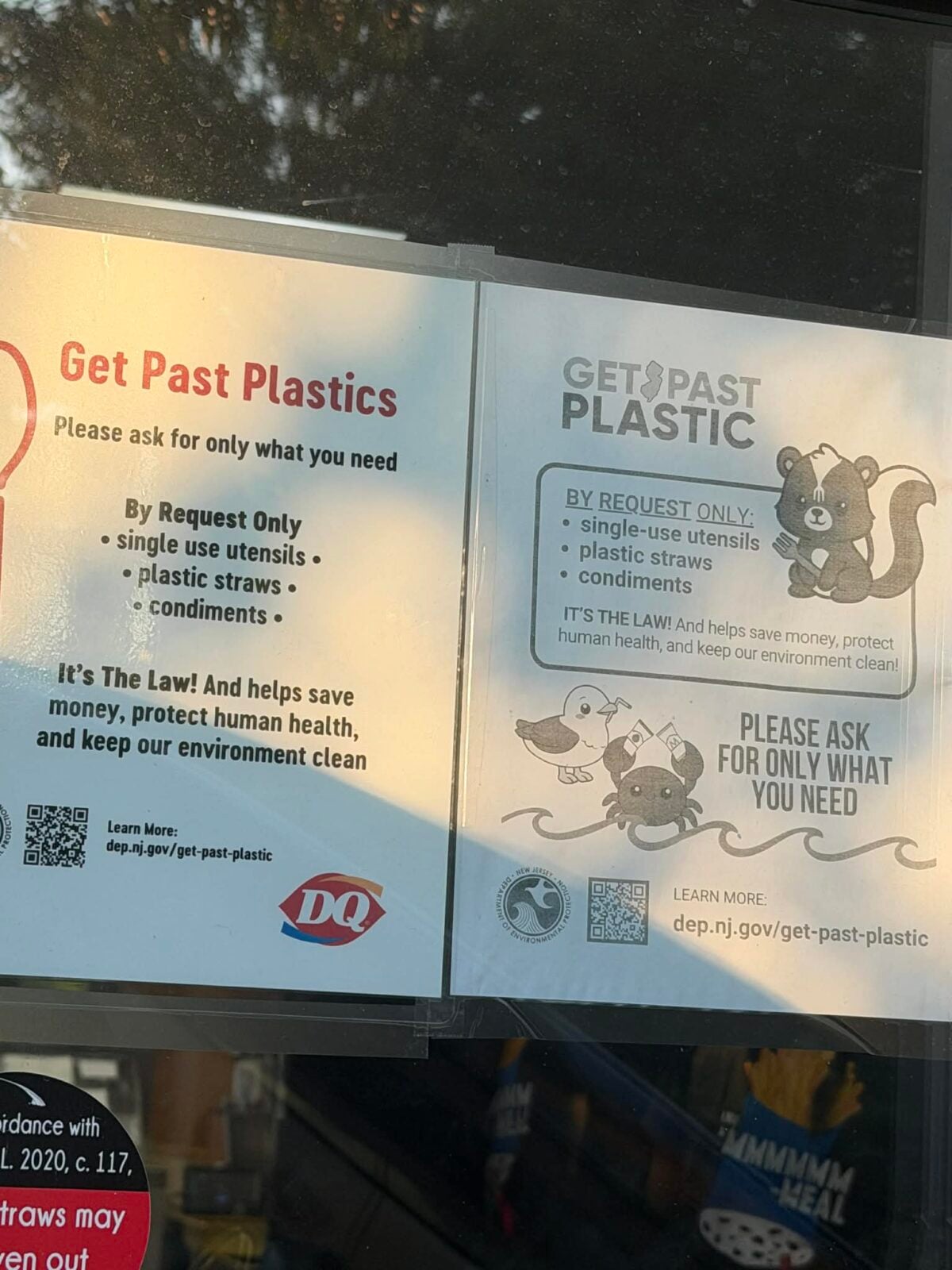
Now, local drive-throughs are reminding customers of two things. First, you have to ask for your stuff, and second, it’s not their fault at all.
Some, like Dairy Queen, the franchise that allegedly banned chocolate sprinkles because they’re racist, are embracing it. Ok, so that isn’t really why, according to the company.
Why did Dairy Queen ban chocolate sprinkles?
Brand Consistency: Corporate leadership wanted uniform menu options and visual standards across all franchise locations.
Lower Demand: Rainbow sprinkles outsold chocolate options significantly at most nationwide locations.
Supply and Formulation: Supply chain hurdles and fluctuating cocoa costs made reliable, uniform production difficult.
Back to the new law in New Jersey.
The new law is the height of virtue signaling by Gov. Mikie Sherrill and the Democrats. The spoon at the checkout is the least likely source of overuse of plastic in the entire process of making a milkshake from the cow’s udders to your hands.
Your milkshake can arrive in a plastic cup with a plastic dome lid, ordered from a plastic sign, made with components that are mostly plastic, but the restaurant cannot automatically hand you a plastic straw. Order a hot fudge sundae, chili, or soup, and you may leave without a spoon unless you remembered to ask for one before pulling away from the drive-thru.
That’s because New Jersey’s new “Skip the Stuff” law took effect on Aug. 1, expanding the state’s restrictions on single-use plastics and requiring restaurants to provide many disposable items only upon request.
Latest step in New Jersey’s plastic reduction efforts
The new requirements stem from Senate Bill 3195, which builds on several previous environmental laws enacted over the past five years.
In 2021, restaurants were prohibited from automatically distributing plastic straws. The following year, New Jersey implemented one of the nation’s strictest bans on single-use plastic carryout bags, prohibited polystyrene foam food containers, and barred many large grocery stores from offering paper bags.
The latest law broadens those restrictions to include plastic forks, knives, spoons, condiment packets, stirrers, and extra napkins.
Customers ordering through drive-thrus, takeout counters, food trucks, or delivery services must now request those items rather than receiving them automatically.
For online and app-based orders, restaurants and delivery platforms must default to providing no utensils unless customers actively select the option during checkout.
The law also requires full-service restaurants with at least 10 seats to serve dine-in customers using reusable, washable utensils instead of disposable cutlery.
Supporters say it reduces waste
Supporters of the legislation say millions of disposable utensils, condiment packets, and napkins are routinely discarded unused after being included in takeout orders.
By requiring customers to request those items only when needed, environmental advocates argue the law will reduce plastic waste, decrease litter, and lower costs for restaurants that no longer have to stock or distribute as many disposable products.
Critics point to practical frustrations
The law has also generated criticism from customers and restaurant operators who say it creates unnecessary inconvenience.
One of the most common complaints involves what some call the “packaging paradox.” Customers can still receive meals in plastic cups, plastic lids, and plastic containers, yet the much smaller straw or spoon needed to consume the food cannot be included automatically.
Drive-thru customers who forget to request a spoon may discover they have no practical way to eat a sundae or bowl of soup until they return home—or circle back through the line.
Restaurant employees also find themselves fielding complaints from customers who assume utensils were accidentally omitted rather than intentionally withheld to comply with state law.
Businesses that repeatedly violate the law by automatically distributing covered accessories could face enforcement actions under state regulations.
State officials say the goal is not to eliminate access to utensils or condiments but to reduce unnecessary waste by ensuring they are provided only when customers actually want them.
Key Points
- New Jersey’s “Skip the Stuff” law took effect Aug. 1.
- Restaurants may no longer automatically include disposable utensils, straws, condiment packets, or extra napkins with takeout orders.
- Customers must specifically request those items in person or opt in when ordering online.
FAQ
What items are covered by the law?
Plastic forks, knives, spoons, straws, stirrers, condiment packets, and extra napkins are generally provided only upon request.
Does the law apply to drive-thrus?
Yes. Drive-thru restaurants cannot automatically include covered accessories unless the customer requests them.
What about food delivery apps?
Ordering platforms must default to no utensils, requiring customers to opt in if they want them.
Are plastic cups and lids banned?
No. The law focuses on disposable accessories such as utensils, straws, and condiment packets rather than beverage cups and food containers.
Why was the law enacted?
Lawmakers said the goal is to reduce unnecessary plastic waste, litter, and restaurant costs by limiting disposable items that often go unused.
Source: New Jersey Legislature – Senate Bill 3195, New Jersey Department of Environmental Protection