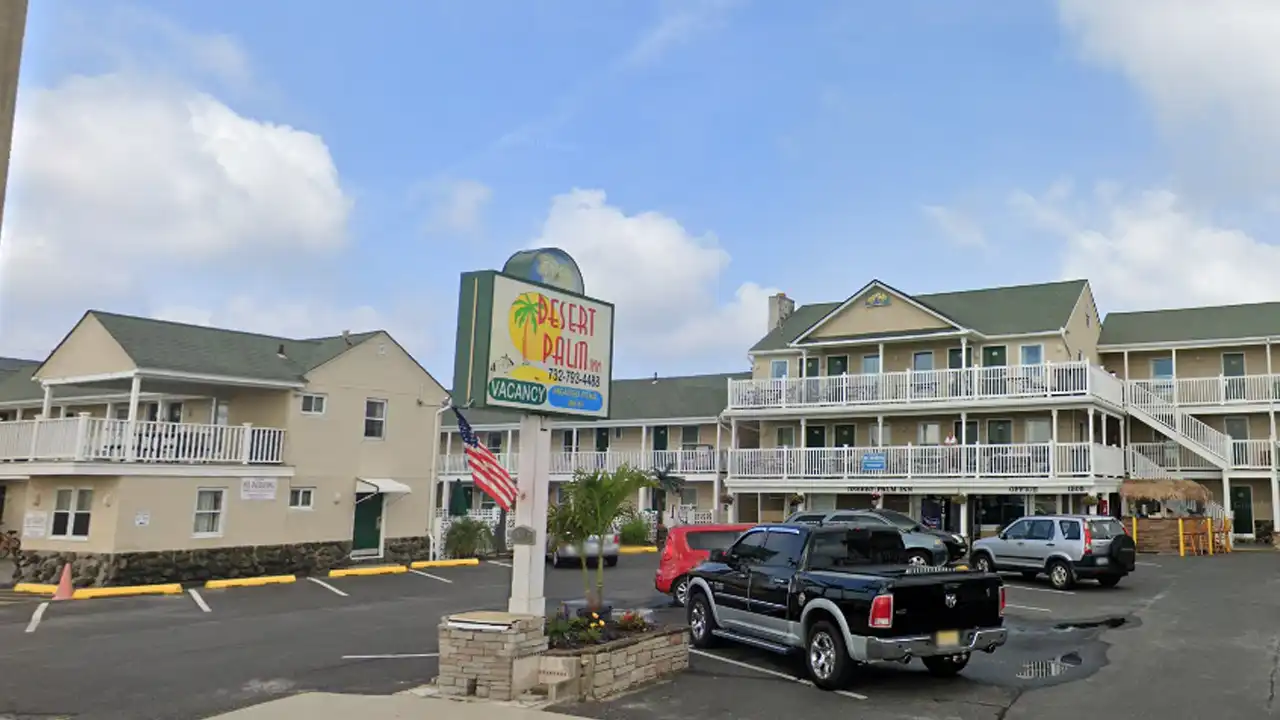
TRENTON, N.J. — The New Jersey Supreme Court on Monday issued a landmark ruling that broadens the authority of municipalities to acquire private property through eminent domain, holding that towns are not required to specify exactly how seized property will be used before beginning condemnation proceedings.
In a 6-1 decision, the court ruled in favor of the Borough of Seaside Park, ending a years-long legal battle over the borough’s attempt to acquire the Desert Palm Inn, a former motel that local officials described as a longstanding public safety and quality-of-life problem.
The ruling is expected to become one of the state’s most significant eminent domain decisions in years, establishing precedent for redevelopment projects across New Jersey.
Desert Palm Inn generated nearly 1,000 police calls over six years
The dispute began in April 2022, when Seaside Park adopted an ordinance authorizing condemnation of the Desert Palm Inn after years of complaints surrounding the property.
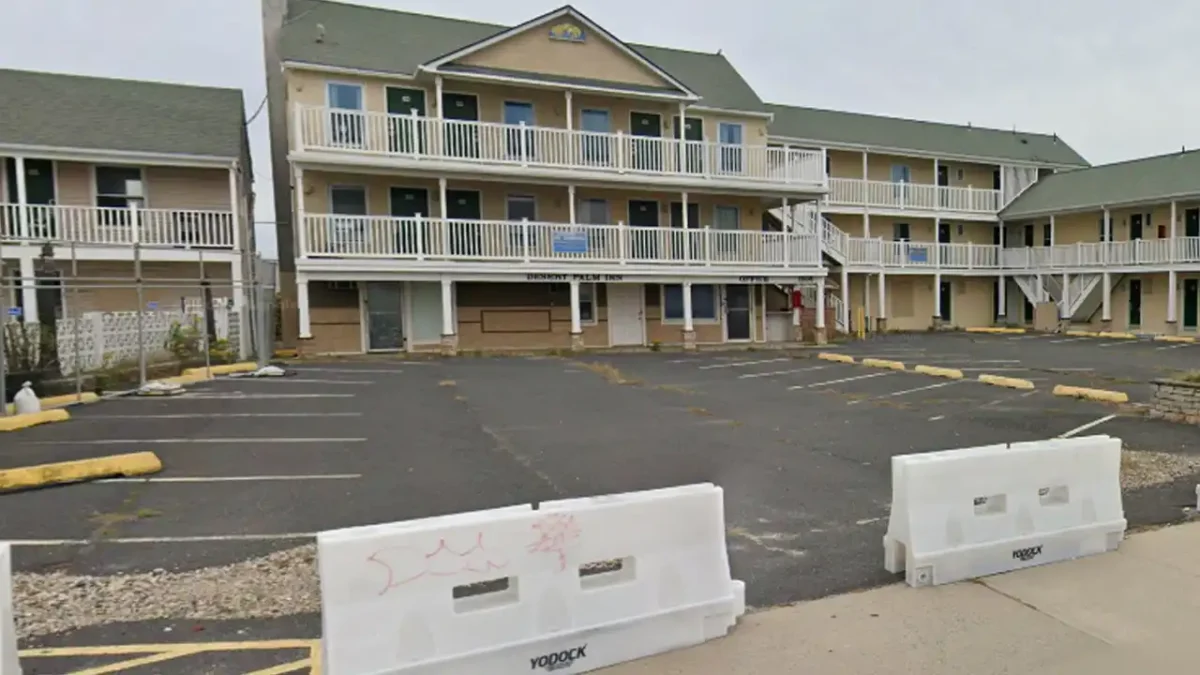
According to court records, the motel had previously been condemned and generated nearly 1,000 police-related calls over a six-year period.
Those incidents included responses for assaults, drug overdoses, illegal drug activity, reports of deceased individuals, noise complaints, stolen vehicles, criminal mischief, and even a counterfeit money operation.
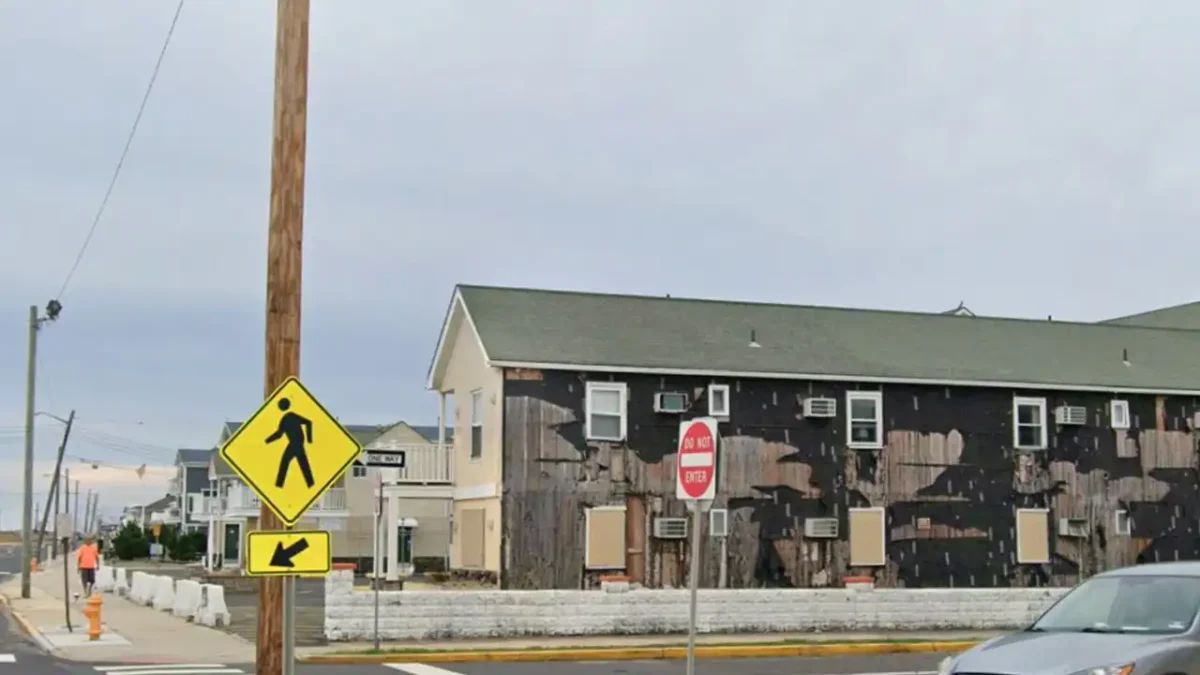
Borough officials argued the deteriorating property had become a persistent burden on police, emergency responders, and nearby residents, making its acquisition necessary to protect the public.
Court says public purpose—not specific project—is the legal standard
The motel’s owners challenged Seaside Park’s condemnation effort, arguing the borough could not take private property without first identifying the exact public project planned for the site.
The Supreme Court rejected that argument.
The majority concluded New Jersey’s Eminent Domain Act requires municipalities to establish that a taking is for a lawful public purpose, but does not require officials to identify the property’s ultimate use before acquiring it.
The ruling resolves an issue that has long been debated in redevelopment cases, allowing municipalities greater flexibility to remove blighted or dangerous properties while redevelopment planning continues.
Justice Douglas Fasciale authored the majority opinion. Justice Anne Patterson dissented.
Decision expected to affect redevelopment statewide
The decision could have significant implications for municipalities throughout New Jersey, particularly shore communities and older urban centers struggling with abandoned hotels, deteriorated commercial buildings, and other nuisance properties.
By removing the requirement that municipalities identify a specific redevelopment project before filing condemnation actions, the court gives local governments additional flexibility to address dangerous or blighted properties that officials believe threaten public welfare.
The ruling does not eliminate constitutional protections for property owners. Municipalities must still demonstrate a lawful public purpose, comply with the state’s Eminent Domain Act, and provide just compensation to property owners.
Why it matters
The Desert Palm Inn case establishes a new statewide precedent governing how municipalities may exercise eminent domain.
For local governments, the decision could accelerate efforts to remove abandoned or crime-ridden properties before redevelopment plans are finalized. For property owners, the ruling represents an expansion of municipal authority, making it easier for towns to acquire land so long as they can demonstrate the taking serves a legitimate public purpose.
Key Points
- The New Jersey Supreme Court ruled 6-1 that municipalities are not required to identify a specific redevelopment project before using eminent domain.
- The decision stems from Seaside Park’s effort to condemn the Desert Palm Inn, a former motel linked to nearly 1,000 police-related incidents over six years.
- The ruling establishes a statewide precedent likely to influence future redevelopment and condemnation cases.
FAQ
What property was involved in the case?
The Desert Palm Inn in Seaside Park.
Why did Seaside Park seek to condemn it?
The borough cited years of public safety problems, including nearly 1,000 police calls involving assaults, drug activity, overdoses, deceased individuals, stolen vehicles, criminal mischief, and other incidents.
What did the Supreme Court decide?
The court ruled municipalities do not have to specify a property’s exact future public use before exercising eminent domain.
Does this mean towns can seize property for any reason?
No. Municipalities must still show the taking serves a lawful public purpose and comply with New Jersey’s Eminent Domain Act, including paying just compensation.
Why is this ruling important?
The decision creates a statewide legal precedent that gives municipalities greater flexibility to acquire blighted or nuisance properties while redevelopment plans are still being developed.
Source: New Jersey Supreme Court Opinion (A-2-25), New Jersey Courts