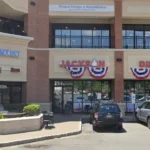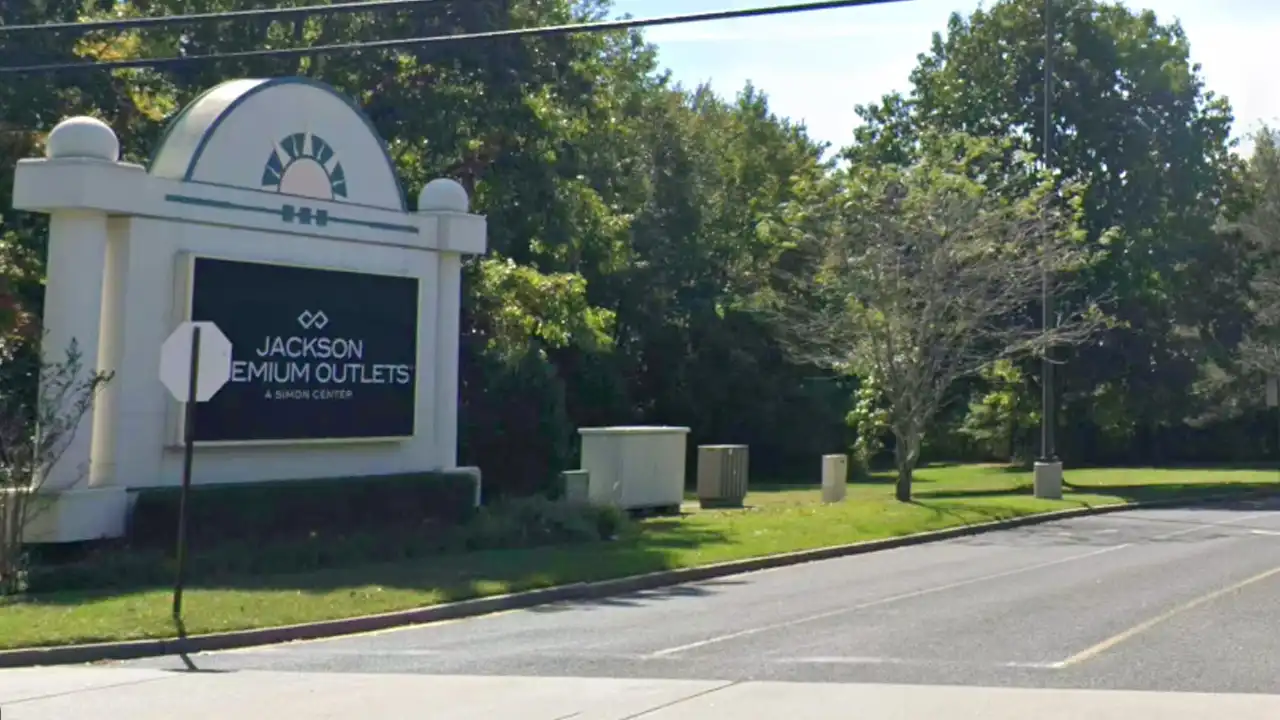
JACKSON, N.J. — A dispute between Jackson Township and a local business owner is raising questions about how New Jersey’s construction code should be applied to businesses making cosmetic improvements before opening their doors.
Pankaj Gupta, owner of Perfume Spot, is contesting a $2,000 construction violation issued by the township after inspectors determined permits and professionally prepared construction plans were required before his business could open. Gupta insists the work consisted only of painting, flooring and installing free-standing retail shelving—activities he argues are exempt from permitting requirements under New Jersey’s Uniform Construction Code.
The disagreement has now reached the New Jersey Department of Community Affairs (DCA), where a state code official reviewed photographs and descriptions of the work and indicated it “appears” to qualify as ordinary maintenance, while emphasizing that additional permits could still be required if electrical, plumbing or occupancy issues exist.
- Jackson Township issued a $2,000 construction violation to Perfume Spot.
- The township warned additional penalties of $500 per day could follow.
- Business owner Pankaj Gupta argues only cosmetic work was performed.
- A DCA code official stated the described work appears to qualify as ordinary maintenance.
- Jackson officials maintain permits and architect-sealed plans are required before a Certificate of Occupancy can be issued.
- The dispute has been elevated to state agencies and elected officials.
Business owner says permits should not be required
Gupta says the renovations performed inside the retail space were limited to cosmetic improvements commonly associated with preparing a store for business.
According to correspondence he circulated to township officials and state agencies, the work consisted of interior painting, replacement flooring and installation of free-standing display shelving.
Gupta argues those activities fall squarely within the definition of “ordinary maintenance” under New Jersey Administrative Code, which generally exempts certain maintenance activities from construction permit requirements.
Following an inspection, however, Jackson Township issued Violation No. V-26-00115 on Aug. 17, assessing a $2,000 penalty while warning that additional fines of $500 per day could accrue if the matter remained unresolved.
Gupta has demanded that the township withdraw the violation and issue a Certificate of Occupancy so the business can begin operations.
Township says additional reviews are required
Jackson Construction Official Richard Wilton outlined a substantially different interpretation of the project.
According to correspondence between the parties, Wilton instructed Gupta to submit zoning approval along with building, electrical, plumbing and fire permit applications before occupancy could be approved.
Wilton also advised that electrical and plumbing technical sections must be signed and sealed by licensed contractors, even if Gupta contends no work occurred within those systems.
Additionally, the township requested two sets of architectural plans prepared by a licensed New Jersey architect addressing building code issues including egress, occupant load, live load, ADA accessibility, the store’s checkout area and shelving layout.
Those requirements significantly expand the scope of documentation beyond what Gupta believes is necessary for cosmetic renovations.
State code official offers preliminary opinion
The dispute took a new turn after Gupta contacted the New Jersey Department of Community Affairs seeking clarification.
According to an email from DCA Code Assistance, official Adam Matthews reviewed photographs and descriptions of the work performed at the business.
Matthews wrote that, based on the information presented, the work “appears” to constitute ordinary maintenance under N.J.A.C. 5:23-2.7(c).
The state opinion, however, stopped short of issuing a blanket determination.
Matthews cautioned that permits would still be required if plumbing or electrical work exceeded the limits of ordinary maintenance or if additional construction had occurred beyond what was described.
Ownership change may not trigger permits
Another important issue addressed by DCA involved whether a change in ownership automatically requires construction permits.
According to Matthews’ response, simply purchasing or leasing a business does not itself trigger construction permit requirements if the work otherwise qualifies as ordinary maintenance.
However, the opinion notes that a change in occupancy classification or use group could require code review under separate provisions of the Uniform Construction Code.
The DCA also explained municipalities may independently require inspections before issuing continued Certificates of Occupancy following a change in ownership.
Such inspections could identify unrelated code issues or previously unpermitted work requiring correction before occupancy approval.
Two separate legal questions
The correspondence highlights two distinct legal questions that appear to be driving the dispute.
The first concerns whether Gupta’s painting, flooring and shelving installation require permits under state construction regulations.
Based on the information reviewed, DCA’s preliminary assessment suggests they likely do not, assuming the work is accurately described and no additional construction occurred.
The second issue involves whether the building itself presents separate concerns involving occupancy classification, ADA compliance, fire safety, egress, electrical systems or prior unpermitted work.
Those matters remain within the authority of local code officials and were not resolved by the state’s preliminary opinion.
Dispute broadens beyond township offices
Gupta has significantly expanded the audience for the disagreement.
His correspondence has been distributed to numerous state agencies, legislators, oversight offices and media organizations.
In those communications, Gupta accuses township officials of unfair treatment and argues the violation lacks legal support.
Those accusations represent Gupta’s position and have not been independently established.
Jackson Township has continued to maintain that additional permit submissions are necessary before the business can open.
Whether the township modifies its position following the DCA correspondence remains to be seen.
What happens next
The matter now appears to rest with Jackson Township officials, who must determine whether to maintain the violation, modify the required permit submissions or rescind the enforcement action.
If the parties cannot resolve the disagreement administratively, the dispute could proceed through New Jersey’s construction code appeal process.
The case may also become a closely watched example for other business owners undertaking cosmetic renovations, particularly where questions arise over what qualifies as ordinary maintenance under state regulations.
- Can painting and flooring require construction permits?
- Under New Jersey law, certain cosmetic work may qualify as ordinary maintenance that does not require permits, depending on the scope of the work performed.
- Did DCA rule Jackson was wrong?
- No. A DCA Code Assistance official stated the described work appears to qualify as ordinary maintenance but also noted permits may still be required depending on electrical, plumbing, occupancy or change-of-use issues.
- Why did Jackson request architect plans?
- Township officials cited concerns involving building code compliance, including egress, occupancy, ADA accessibility and related issues before issuing a Certificate of Occupancy.
- Has the fine been withdrawn?
- Based on the available correspondence, the violation remains in effect while the dispute continues.
- Can Gupta appeal the violation?
- New Jersey law provides administrative appeal procedures for certain construction code disputes if the parties cannot reach a resolution.
Sources: New Jersey Department of Community Affairs Code Assistance correspondence, Jackson Township Construction Department correspondence, New Jersey Uniform Construction Code (N.J.A.C. 5:23).