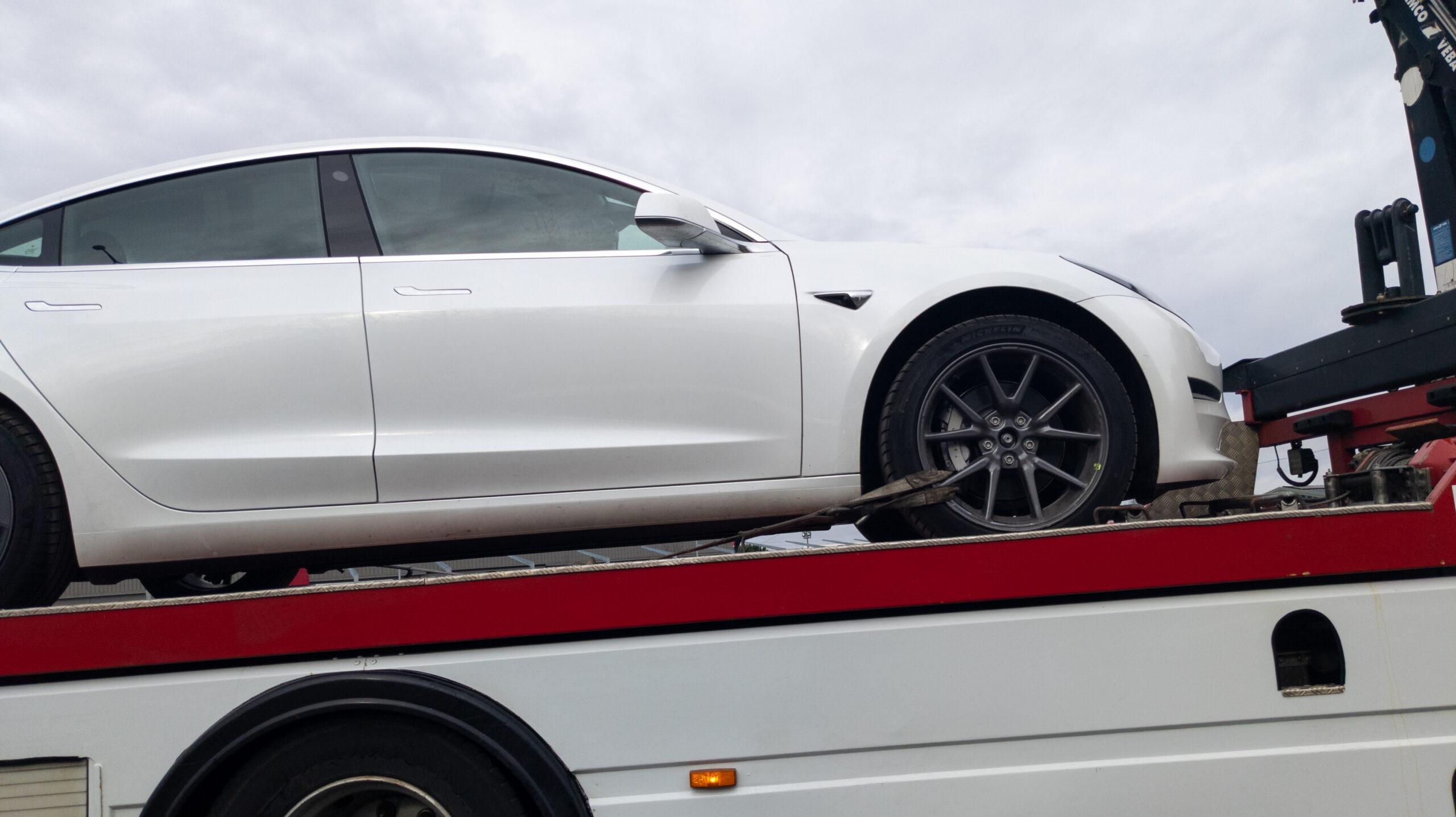
Toms River, NJ – Toms River appears to be unprepared for Governor Phil Murphy’s ambitious mandate requiring all new cars to be electric by 2035. The town, home to approximately 100,000 residents, has only 28 commercial electric vehicle (EV) charging stations, all of which are located at car dealers like Lester Glen, Pine Belt Nissan, and Pine Belt Cadillac.
This equates to just one commercial EV charging station for every 5,500 residents, a ratio that raises concerns about the town’s readiness to transition from gas-powered to electric vehicles. The situation is exacerbated by recent power grid problems and substation failures that have plagued Toms River, casting doubt on the infrastructure’s capability to support an influx of electric vehicles.
According to Chargehub.com, Toms River has 18 public charging station ports within a 15-km radius, 33% of which are Level 2 charging ports. Additionally, only 22% of these ports offer free charges for electric cars.
The township and taxpayers would have to make significant financial investments to accommodate Murphy’s 2035 gas powered car ban. Businesses would need to invest in charge stations, homeowners would have to install expensive garage charging stations. Townhome, apartment, and condominium operators would have to invest millions into infrastructure to accommodate the demand.
Worse, from recent news, JCP&L wouldn’t even be able to handle the demand after several substation failures, days-long power outages, and concerns over the overhealth of the electrical grid in the township.
The existing infrastructure lags in both quantity and diversity of charging options. Out of the 18 public charging station ports, six are Level 2 stations designed for longer charging periods, while the remaining 12 are Level 3 stations intended for rapid charging. The limited number of Level 2 stations may be an inconvenience for residents who lack the capability to charge vehicles at home.
Given these challenges, questions arise about the feasibility of implementing the state’s 2035 electric vehicle mandate in Toms River. Residents and local authorities will need to address infrastructure gaps, charging accessibility, and grid reliability to make the transition to electric vehicles successful.
In a town where it can take 5 to 10 years to a approve a project under the state’s CAFRA guidelines, there’s no way Toms River or any other coastal communities would ever be ready for the governor’s absurd EV dreams.
 Community News
Plans for 450 Homes At Former Circus Liquors Revealed
Shore News Network Community News
 Community News
High Bacteria Levels Trigger Swimming Advisories at 10 New Jersey Beaches
Shore News Network Business News
Another Jackson Restaurant Could Close This Fall
Shore News NetworkMultiple Maryland Residents Win Big on Powerball Drawing