TRENTON, NJ – The death of a construction worker on Route 9 in Toms River has sparked a bipartisan push in the New Jersey Legislature to increase penalties for intoxicated drivers who kill in highway work zones.
On Thursday, the Senate Law and Public Safety Committee advanced S-4758, a bill that would elevate the charge for reckless vehicular homicide to a first-degree crime if the fatal crash occurs within an active construction area or designated safe corridor.
The legislation was introduced in response to the death of 50-year-old Allen Adams of Lumberton, who was struck and killed while working in a Route 9 work zone in the early morning hours of July 31.
Fatal work zone crash prompts outrage
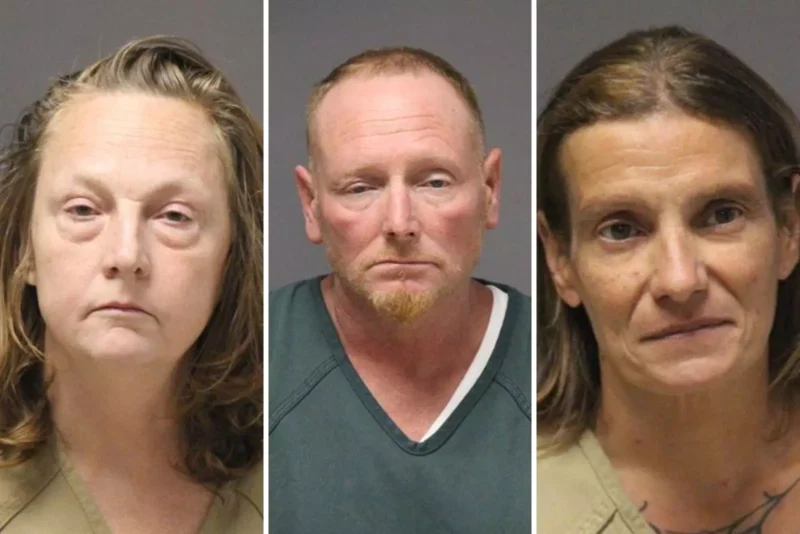
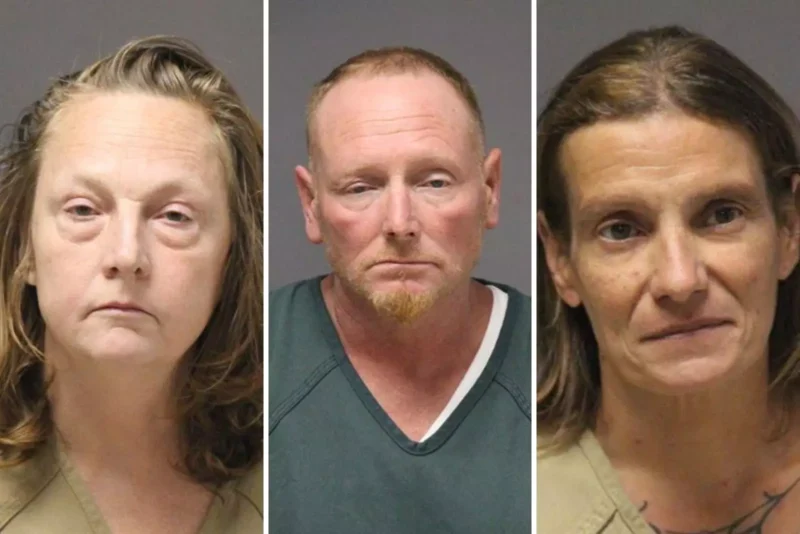
According to Ocean County Prosecutor Bradley D. Billhimer, Adams was part of a crew performing maintenance along Lakewood Road near Raymond Road in Toms River when a northbound vehicle driven by 51-year-old Douglas Smith of Lakehurst veered into the zone and hit him.
Investigators said Smith appeared intoxicated at the scene. He was initially charged with driving while intoxicated and reckless driving before blood test results revealed a blood alcohol content of .151—nearly twice the legal limit—along with the presence of cocaine, fentanyl, and methadone.
A warrant for Smith’s arrest was issued on August 28, and he was taken into custody at a residence in Toms River on September 3. Two Toms River women, Tammie Malek, 46, and Amy Thorn, 56, were also charged with hindering apprehension after allegedly providing false information about Smith’s whereabouts.
Push for stronger laws in Adams’ memory
The tragedy has led Adams’ family to advocate for sweeping changes in work zone safety laws. Through their campaign, “Justice for Allen – Standing for Safer Roads, Stronger Laws,” the family has called for harsher penalties for impaired drivers who kill road workers, including doubled sentences for first-time offenders and tripled sentences for repeat offenders, as well as eliminating plea deals in such cases.
Senator Latham Tiver and Senator Paul Sarlo co-sponsored the bill, saying it reflects the risks faced daily by road and infrastructure crews working inches from speeding traffic.
“What happened to Mr. Adams was a highly avoidable tragedy committed by a selfish person who ignored not only our laws but work zone safety warnings,” Tiver said in a statement. “He, along with every construction worker in our state, deserves to be safe while on the clock, repairing our infrastructure.”
Bill details and penalties
Under current law, reckless vehicular homicide is a second-degree crime that carries a penalty of five to ten years in prison and fines up to $150,000. It can rise to a first-degree crime only if the offense occurs near a school zone or crossing while the driver is intoxicated.
The proposed legislation would expand that first-degree enhancement to include any highway construction or repair area, or designated “safe corridor.” A first-degree conviction carries a prison term of 10 to 20 years and fines up to $200,000.
State law defines a “highway construction or repair area” as any roadway section identified by posted traffic control devices warning of ongoing work. A “safe corridor” refers to a highway segment designated by the New Jersey Department of Transportation as high-risk based on crash data and traffic volume.
Next steps for the bill
The measure passed committee with bipartisan support and now heads to the full Senate for consideration. If enacted, it would mark one of the most significant expansions of vehicular homicide laws in the state in years.
Lawmakers and safety advocates say the change could deter impaired driving in work zones while honoring the memory of Allen Adams, whose death has reignited calls for accountability and stronger protections for roadside workers.
The Senate is expected to take up the bill later this month.