
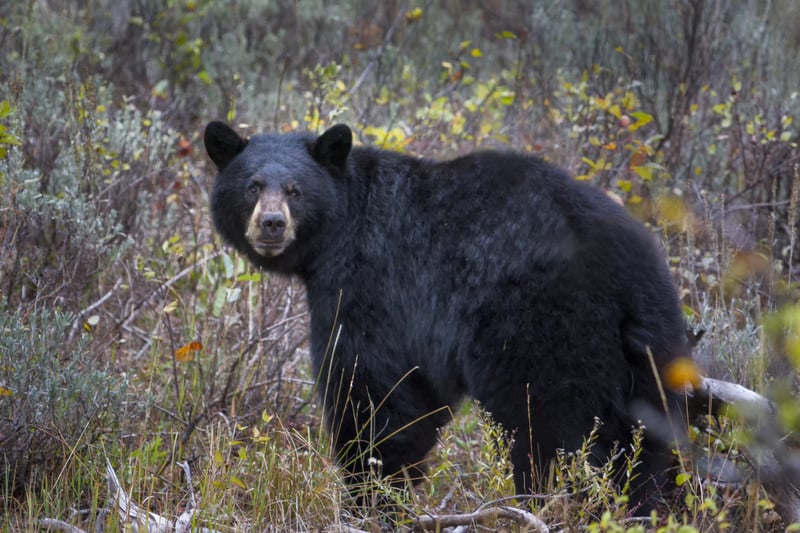
Trenton, NJ – As spring awakens across New Jersey, so do its black bears, emerging from their winter dens with a fierce appetite. The New Jersey Department of Environmental Protection (NJDEP) is advising residents and outdoor enthusiasts to take proactive steps to minimize bear encounters by securing trash and other food sources that could lure these omnivorous foragers into neighborhoods.
“Bears are on the move in early spring, searching for food after months in their dens,” said Dave Golden, NJDEP Fish & Wildlife Assistant Commissioner. “With their incredible sense of smell—detecting food over two miles away—they’ll head straight for unsecured garbage or pet food. Once they link people with an easy meal, the chances of unwanted run-ins go up.”
Black bears aren’t picky eaters. While 75% of their diet consists of plants like berries, grasses, and skunk cabbage, they’ll happily snack on insects, carrion, or whatever’s left in your trash can. After spending the winter in a state of torpor—living off body fat and losing about 20% of their weight—they emerge in spring desperate to bulk up. That’s when human-related food sources become tempting targets.
The NJDEP stresses that prevention is key. Residents should secure trash in bear-resistant containers or sturdy indoor spaces, remove pet food and bird seed from outdoor areas, and clean grills to eliminate greasy residues. Last year, the DEP distributed nearly 2,900 bear-resistant trash cans to towns like Hampton, Jefferson, and West Milford as part of a pilot project to curb bear activity. Feeding bears intentionally, meanwhile, is a no-go—it’s illegal in New Jersey, punishable by a $1,000 fine, and can turn bears aggressive.
While black bears are most concentrated in the northwest—think Morris, Sussex, Warren, and northern Passaic counties—they’ve been spotted in all 21 of New Jersey’s counties. Their winter dens range from hollow trees and brush piles to spots under houses, and though they’re not true hibernators, they rely heavily on spring foraging to recover.
To spread the word, the NJDEP’s “Know the Bear Facts” campaign is back in full swing, with public service announcements hitting social media, radio, and streaming platforms. The initiative also offers free educational programs for schools, camps, and hiking clubs, complete with safety tips and bear coexistence strategies.
For those living in bear country, the DEP recommends practical measures: store garbage indoors until collection day, hang bird feeders 10 feet off the ground (and only from December to April), and install electric fencing around livestock or beehives. If you encounter a bear, stay calm, avoid eye contact, and back away slowly—running could trigger a chase. Make noise—yell, bang pots, or blow a whistle—to scare it off, and give it an escape route. Attacks are rare, but if one occurs, fight back.
“These bears are just trying to survive,” Golden added. “A little effort to lock down food sources can keep them in the wild where they belong—and keep us all safer.”
For bear-related issues or aggressive behavior, contact local police or the NJDEP hotline at 1-877-WARN-DEP (1-877-927-6337). More details are available at the NJDEP’s black bear information page. With bears on the prowl, New Jerseyans are urged to act now—because a bear’s nose knows no bounds.