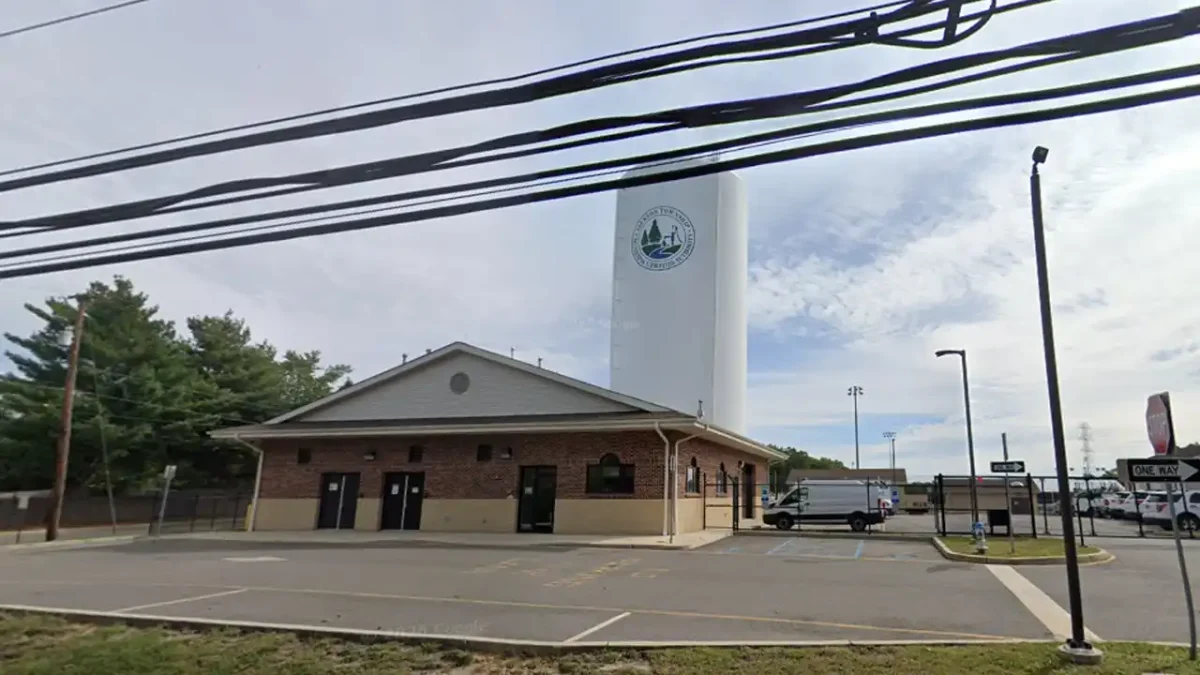
Jackson residents are told every day that the Municipal Utilities Authority exists to provide clean water and reliable sewer service. That’s true. But somewhere along the way, the Jackson MUA stopped being just a utility and became something much bigger—a powerful, largely unaccountable government agency driving development while leaving taxpayers to deal with the consequences.
Take a drive through Jackson today.
Bennetts Mills Road. South Hope Chapel Road. Whitesville Road. County Line Road. Veterans Highway. Road after road has become an obstacle course of patched trenches, uneven pavement, dips, bumps and potholes left behind after MUA construction crews finish installing new water and sewer lines.
If you feel like you’re off-roading instead of commuting, you’re not imagining it.
- Jackson’s major roads have been repeatedly excavated for MUA utility expansion.
- Residents have complained about rough pavement, potholes and uneven trench repairs.
- Expanded water and sewer service enables higher-density residential and commercial development.
- The MUA is now attempting to sell land originally transferred for future utility infrastructure.
- New Jersey law allows municipalities to dissolve an MUA through ordinance with state approval.
Patch It and Forget It
Every utility has to dig roads.
That’s not the problem.
The problem is what happens afterward.
Instead of restoring roads to the condition they were in before construction, the MUA frequently patches only the trench it excavated. The result is predictable: within months, those patches settle, crack and deteriorate.
The road becomes rougher every year.
Drivers weave across center lines to avoid ruts. Motorcycles bounce through uneven pavement. Suspensions, tires and alignments take the abuse.
Eventually taxpayers pay again when the county or township resurfaces the road.
Why should residents subsidize poor restoration work?
If a utility tears apart an entire roadway, it should leave it exactly as it found it—or better.
A Growing Safety Hazard
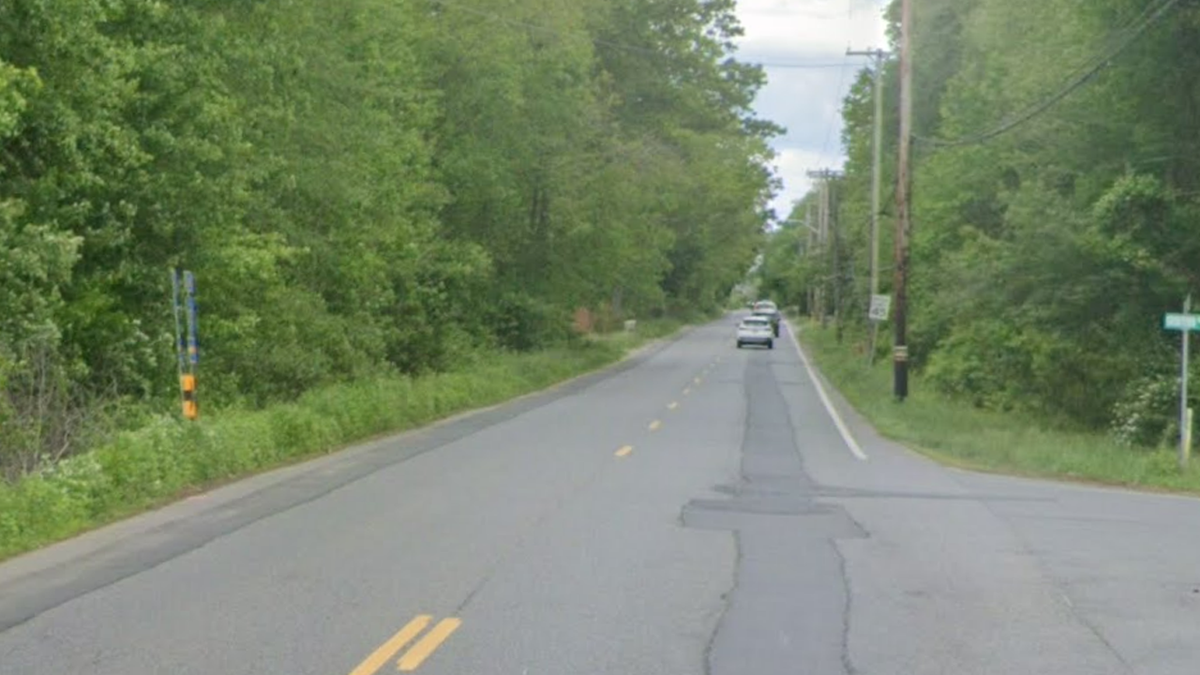
This isn’t merely about ride quality.
Poorly restored trenches create legitimate traffic hazards.
Anyone who drives through Jackson regularly has watched motorists drift toward the center line trying to avoid deep utility patches. Others suddenly brake after hitting uneven pavement or swerve around deteriorating repairs.
These aren’t quiet neighborhood streets.
They’re major transportation corridors carrying thousands of vehicles every day.
The MUA may not have created every pothole in Jackson, but repeated trench cuts and inadequate restoration unquestionably contribute to the deterioration many drivers experience.
Follow the Pipes
There’s another question residents should be asking.
Why is the MUA expanding so aggressively?
Every new water main.
Every new sewer extension.
Every new pump station.
They’re not built in anticipation of farmland remaining farmland.
Water and sewer are the lifeblood of development.
Without utilities, large apartment complexes can’t be built.
Without sewer service, high-density housing doesn’t happen.
Every mile of new infrastructure makes future development easier.
Whether you support that growth or oppose it, expanding utility service changes the future of Jackson.
No water.
No sewer.
No large-scale development.
It’s that simple.
The Land Deal That Raised Eyebrows
Now comes another controversy.
The MUA is attempting to sell more than five acres of property that Jackson taxpayers originally transferred to the authority for future infrastructure purposes.
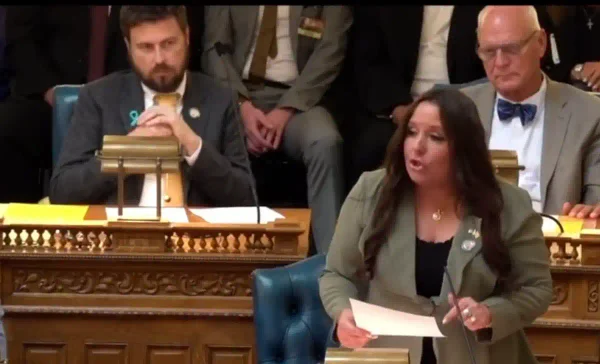
Council Vice President Giuseppe Palmeri has argued the property should first be offered back to the township—preferably for the same amount the MUA paid when it acquired the land in 2010.
That’s a reasonable position.
If taxpayers transferred land so it could support public utility needs, why should the authority later market it for development?
Why should taxpayers have to buy back property they effectively entrusted to the MUA in the first place?
The current negotiations between township officials and the authority are encouraging, but they also highlight a larger issue.
Who is really in control?
The Most Powerful Government Nobody Votes For
Most residents know who their mayor is. They know who sits on the Township Council. Far fewer know who serves on the Municipal Utilities Authority.
Yet the MUA controls tens of millions of dollars in assets.
It makes infrastructure decisions that shape Jackson for generations.
It acquires land. It sells land. It expands utility service. It influences where future development can occur.
In many respects, it has become one of the most powerful governmental bodies in Jackson. Unlike elected officials, MUA commissioners aren’t directly accountable to voters at the ballot box.
That should concern anyone who believes major growth decisions deserve public oversight.
Everyone Blames Someone Else
When residents complain about deteriorating roads, the finger-pointing begins.
The Township blames Ocean County.
Ocean County blames the Township.
Officials debate whose responsibility it is to pave.
Meanwhile, nobody seems willing to confront the obvious question.
Why isn’t the MUA required to restore roads properly in the first place?
If a private developer damaged public infrastructure like this, the township would likely require restoration before signing off.
Why should a government authority be held to a lower standard?
Is It Time to Start Over?
This isn’t a radical idea.
New Jersey law allows municipalities to dissolve a Municipal Utilities Authority.
The process isn’t simple. State approval through the Local Finance Board would be required. Outstanding debt would have to be addressed.
Water and sewer service would have to continue uninterrupted.
But it can be done.
Other municipalities have dissolved or reorganized utility authorities when they no longer served the public interest.
The question isn’t whether it’s legally possible. The question is whether Jackson residents are finally ready to demand it and if our elected leaders have the courage to do it.
Utilities Should Serve Residents—Not Politics
The Jackson MUA performs an essential public service.
Nobody disputes the importance of clean drinking water and reliable sewer systems. But essential services should not come at the expense of accountability.
Residents deserve roads restored to their original condition.
They deserve transparency in land transactions. They deserve infrastructure decisions made with the community’s long-term interests—not simply the next development project—in mind.
If the authority cannot provide those things while remaining independent, then perhaps independence itself has become the problem.
The Bottom Line
Government authorities exist to serve the public—not the other way around.
When an agency becomes insulated from accountability, accumulates enormous influence over development, leaves damaged roads behind and asks taxpayers to repurchase public land, residents have every right to ask difficult questions.
Jackson’s roads speak for themselves. So do the trenches running through them. If meaningful reform isn’t possible, then perhaps it’s time to consider a solution that once seemed unthinkable: dissolve the Jackson Municipal Utilities Authority, return its responsibilities to the township, and put the people ultimately paying the bills back in charge.