
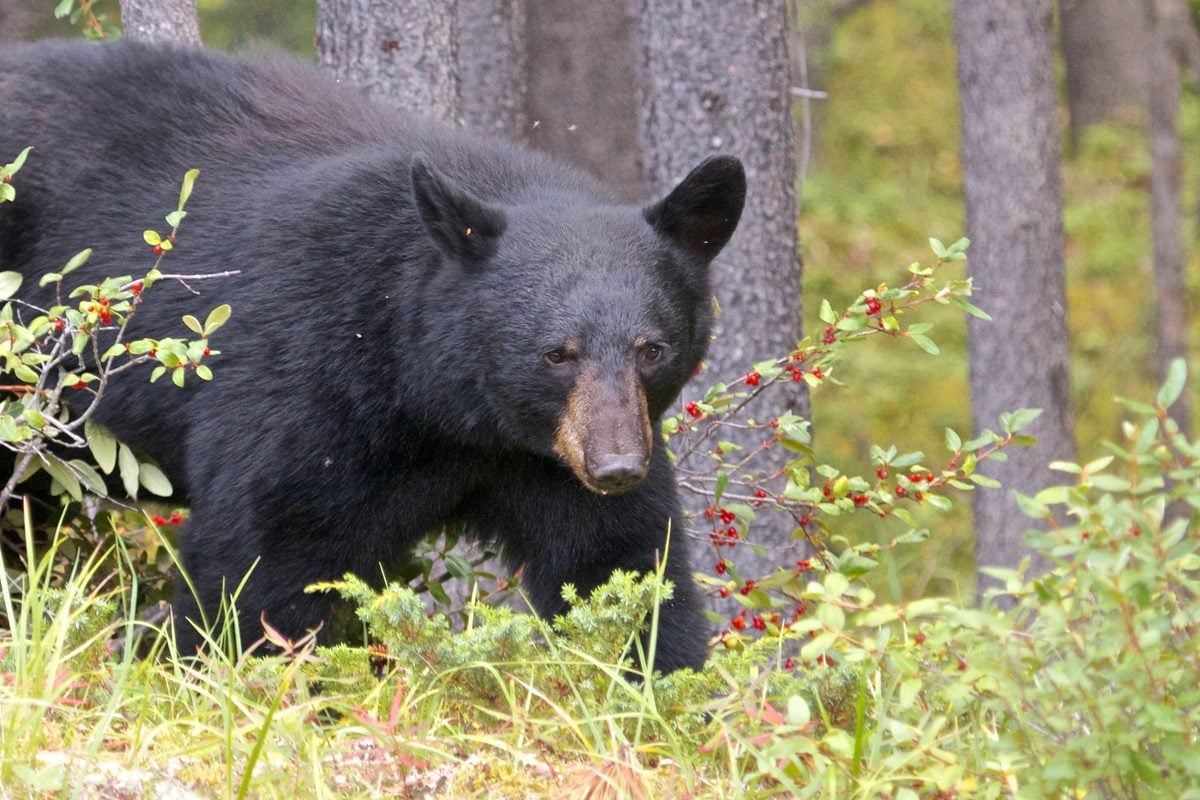
New Jersey recorded nearly 1,200 reported bear incidents through September 21, including 24 home entries or attempted entries, 93 vehicle strikes and more than 200 garbage-related complaints.
NEW JERSEY — Black bear activity is climbing across New Jersey, with state wildlife officials recording 1,196 reported incidents during the first nine months of 2026, a 22.4% increase over the same period last year.
According to the latest New Jersey Department of Environmental Protection Fish and Wildlife Bear Activity Report, covering January 1 through September 21, reported bear sightings increased nearly 36%, while damage and nuisance complaints rose almost 17%.
The state recorded 390 bear sightings, compared with 287 during the same period in 2025. Damage and nuisance reports climbed from 690 to 806.
The numbers include reports of bears entering homes, raiding garbage, damaging property and being struck by vehicles.
Despite the overall increase in incidents, New Jersey recorded no reported human attacks during the period, compared with one during the same period in 2025.
Bears enter 14 homes and attempt to enter 10 more
One of the more concerning findings in the state report involves encounters between bears and residential properties.
Wildlife officials documented 14 home entries and 10 attempted home entries through September 21.
The number of attempted home entries increased from six in 2025, while actual home entries declined slightly from 15.
The report also recorded 15 incidents classified as aggressive bear behavior, down from 21 last year.
There were no reported unprovoked dog attacks, compared with one in 2025. Two provoked dog attacks were recorded, down from three.
Agricultural incidents increased from 14 to 24.
Garbage complaints jump as bears search for food
Garbage-related incidents were among the largest contributors to the increase in bear complaints.
State officials recorded 205 garbage incidents, compared with 150 in 2025, an increase of nearly 37%.
Other nuisance complaints reached 154, compared with 149 last year.
The report also documented 24 bird feeder incidents, unchanged from 2025, along with 25 property damage incidents in its Category II classification, up from 18.
Bears are attracted to accessible food sources, including unsecured trash containers, bird feeders and pet food left outdoors.
Wildlife officials encourage residents in bear-populated areas to secure garbage, remove accessible food sources and avoid intentionally feeding bears.
Bear-vehicle collisions climb 35%
The report also shows a substantial increase in bears being struck by vehicles.
There were 93 reported vehicle strikes, compared with 69 during the same period in 2025, an increase of approximately 35%.
Reports of injured bears rose from 51 to 81.
Eleven bears were reported found dead, compared with seven last year.
Those figures reflect reports received by the state and do not establish how many bears died specifically from motor vehicle collisions.
Sussex, Morris and Warren counties lead state in bear incidents
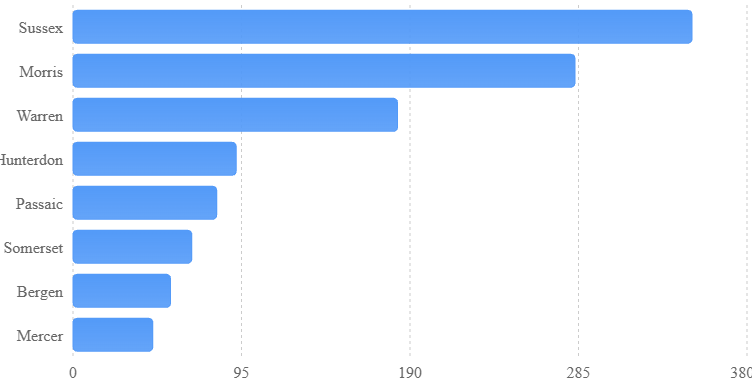
REPORTED BEAR INCIDENTS BY COUNTY · JAN. 1–SEPT. 21, 2026
Source: NJDEP Fish and Wildlife Bear Activity Report. Counts reflect reports received by DEP.
Sussex County led New Jersey with 349 reported bear incidents, nearly unchanged from 350 during the same period in 2025.
Morris County experienced a much sharper increase, climbing from 174 reports last year to 283 this year, a 63% jump.
Warren County ranked third with 183 incidents, compared with 162 last year.
Somerset County also experienced a significant increase, climbing from 26 to 67 incidents, while Hunterdon County rose from 57 to 92.
Bergen County was among the areas reporting fewer incidents, declining from 71 to 55.
Jersey Shore counties report little bear activity
Bear reports remained relatively uncommon in Ocean County and Monmouth County.
Monmouth County recorded one incident in 2026, the same as the previous year.
Ocean County had no incidents listed for 2026, compared with one during the same period in 2025.
Atlantic County recorded two incidents, while Burlington County reported four.
Although most reports remain concentrated in northwestern New Jersey, the data show that bear encounters are not limited exclusively to the state’s most rural counties.
State figures do not include every bear encounter
The DEP report carries an important qualification: its statistics include sightings and complaints reported to Fish and Wildlife, but do not include incidents handled entirely by local police departments without state assistance.
Consequently, the actual number of bear-related calls across New Jersey may be higher than the 1,196 recorded in the report.
The figures also represent reported incidents, not the number of individual bears involved.
The data do not establish whether the increase reflects more bears, greater movement into populated neighborhoods, changes in reporting behavior or a combination of factors.
For residents living in bear-populated communities, the most immediate concern remains limiting access to food and avoiding situations that bring bears into close contact with people.
The report covers incidents through September 21, meaning additional encounters during the fall are not included in these totals.