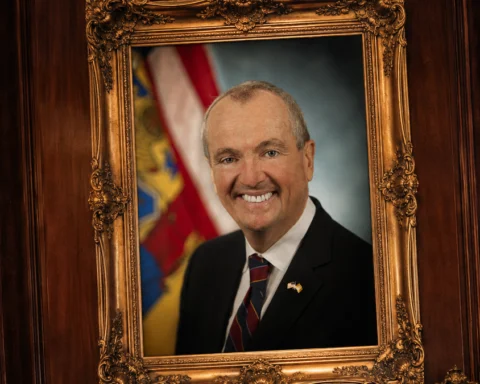
TRENTON, NJ – New Jersey Governor Phil Murphy’s plan to ban the sale of gasoline-powered cars by 2035 appears to be plagued by the same problems that killed California’s dream of a ‘Hydrogen Highway’.
Lack of profits, expenses, recharging availability, and supply were just a few problems. Once the government funding ran dry, the project essentially died, leaving early adopters holding the bill with car loans and leases for vehicles they couldn’t drive.
New Jersey needs to look at the failed Hydrogen Highway before letting the 2035 gas car ban proceed one step further.
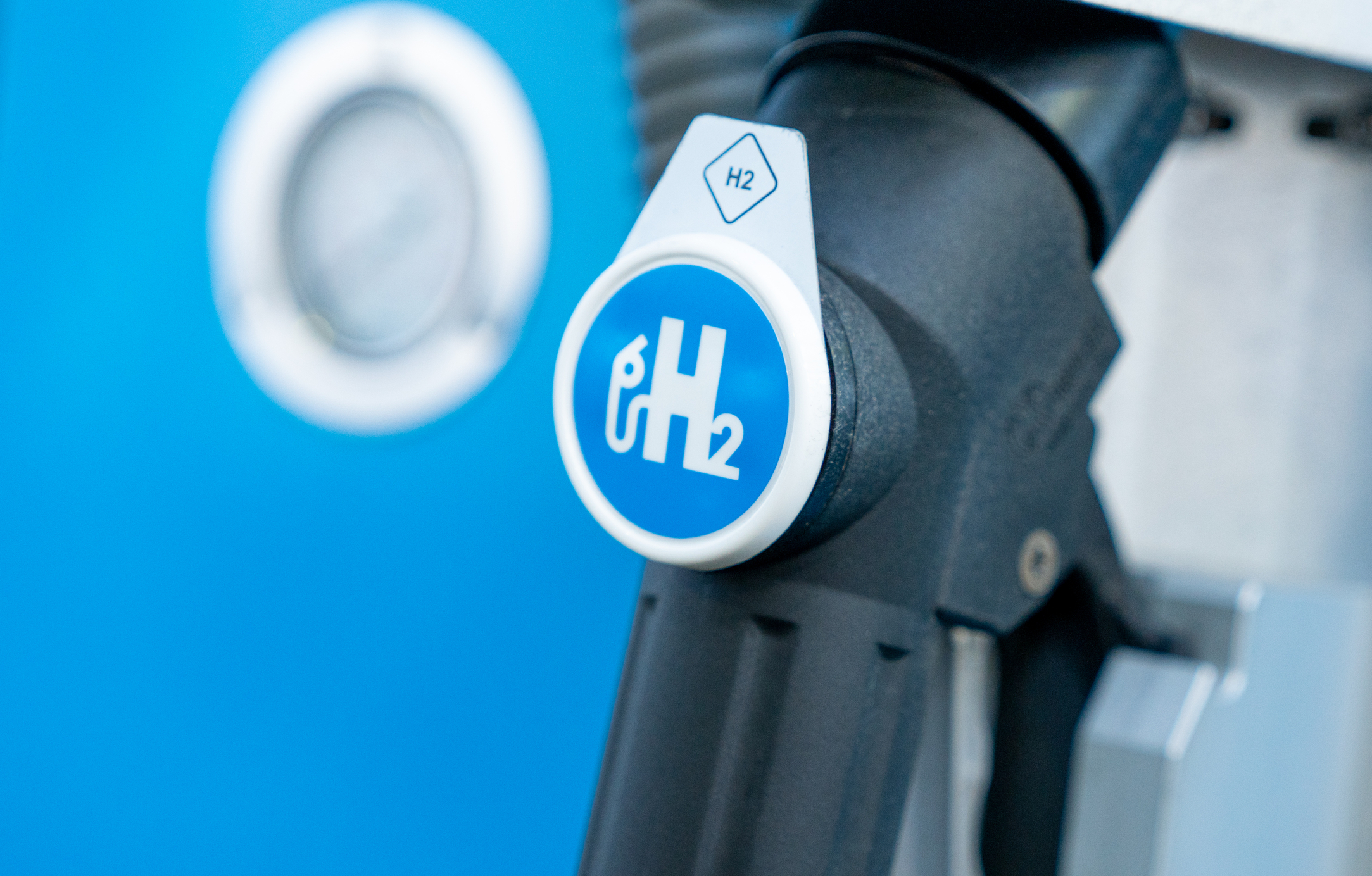
Once hailed as a bold step toward a clean-energy future, California’s Hydrogen Highway initiative, launched with high hopes in 2004, has largely stalled, leaving consumers, investors, and policymakers grappling with its unfulfilled promises. The ambitious plan to create a network of hydrogen fueling stations across the state to power zero-emission vehicles has been plagued by technical challenges, financial woes, and shifting priorities, casting doubt on the viability of hydrogen as a mainstream automotive fuel.
The Hydrogen Highway was introduced by then-Governor Arnold Schwarzenegger as part of California’s push to combat climate change and reduce dependence on fossil fuels. The goal was to build 200 hydrogen fueling stations by 2010, enabling widespread adoption of hydrogen fuel cell vehicles (FCVs) that emit only water vapor. Automakers like Toyota, Honda, and Hyundai embraced the vision, rolling out models like the Toyota Mirai and Honda Clarity, while the state invested hundreds of millions in subsidies and infrastructure.
The plan tapped into California’s reputation as an environmental pioneer. With its stringent emissions standards and robust economy, the state seemed poised to lead the world in hydrogen technology. Early projections estimated thousands of FCVs on the road by the mid-2010s, supported by a seamless network of stations along major highways.
Two decades later, the reality is starkly different. As of 2025, California has fewer than 60 operational hydrogen stations, far short of the original target. Many planned stations were never built, and existing ones are often unreliable, plagued by equipment failures and fuel shortages. Consumers like David Ingber of Los Angeles, who leased a hydrogen-powered Toyota Mirai, report frustration at being unable to refuel. “I’m making payments on a car I can’t use half the time,” Ingber said. “The nearest station is either closed or out of fuel.”
Technical challenges have been a major hurdle. Hydrogen production, storage, and distribution require complex and costly infrastructure. Many stations rely on fossil fuels to produce hydrogen, undercutting the environmental benefits. Equipment supplied by companies like Nel Hydrogen has faced criticism for frequent breakdowns, with lawsuits alleging faulty designs led to millions in losses for operators like Shell and Iwatani.
Financially, the Hydrogen Highway has struggled to justify its costs. Each station can cost $2-3 million to build, and low demand for FCVs—fewer than 15,000 are registered in California—has made them unprofitable. Federal and state funding has dwindled as attention shifts to battery-electric vehicles (EVs), which benefit from a more mature charging network and lower operational costs.
The scarcity of fueling options has sparked outrage among early adopters. Lawsuits filed in 2024 accuse automakers, fuel providers, and even state officials of misleading consumers about the readiness of hydrogen infrastructure. Plaintiffs argue they were sold vehicles under false pretenses, with promises of a robust fueling network that never materialized. One suit targets Governor Gavin Newsom, alleging the state failed to regulate the market adequately.
“People bought into the dream, but the reality is a nightmare,” said attorney Rachel Yap, who represents plaintiffs in a case against Toyota and First Element. “The state and these companies knew the infrastructure wasn’t there but kept pushing the narrative.”
Automakers, meanwhile, defend their efforts, pointing to advancements in fuel cell technology. Toyota recently unveiled a next-generation hydrogen module with improved range and lower costs, while Honda continues to lease its CR-V e-FCEV in select markets. Yet both companies have scaled back their hydrogen ambitions, focusing more on EVs to meet California’s 2035 ban on new gas-powered vehicles.
The rise of EVs has overshadowed hydrogen’s potential. With over 500,000 public EV chargers in California and declining battery costs, electric cars have surged in popularity, accounting for 25% of new vehicle sales in 2024. EVs offer simpler infrastructure needs and greater energy efficiency, making them a more practical choice for most drivers, but the energy grid might not be able to support it.
And, without government subsidies, companies are starting to pull back.
A Road to Nowhere?
The Hydrogen Highway’s struggles reflect broader tensions in the transition to clean energy. California’s push for innovation has often outpaced practical realities, leaving early adopters to bear the costs. While the state continues to fund pilot projects for hydrogen in shipping and aviation, the dream of a statewide network for passenger cars appears increasingly out of reach.