
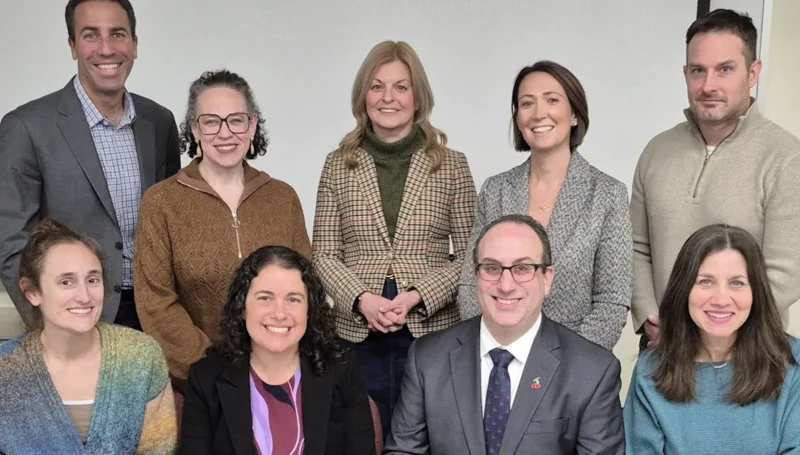
Cherry Hill school district sues reporter over OPRA requests, seeks filing ban
Cherry Hill, NJ – And they would have gotten away with it, if not for those meddling kids. Now, they’re suing those meddling kids for asking too many questions.
A legal dispute between the Cherry Hill Township Board of Education and a local journalist is escalating after the district filed a lawsuit seeking to restrict future public records requests, prompting criticism from press advocates and attorneys. The case centers on reporter Benjamin Shore, whose investigative work through OPRA requests has now led to a court challenge that could limit his ability to file requests for one year.
The lawsuit, filed February 20 in Camden County Superior Court, alleges Shore submitted “numerous, repeated and vexatious OPRA requests” that disrupted district operations. The district is seeking a protective order barring Shore, his brother Daniel Shore, and Shore Investigates LLC from filing additional records requests for a 12-month period.
The lawsuit says he made just 14 requests.
District claims requests were duplicative and burdensome
According to the complaint, Shore submitted at least 14 OPRA requests within a year, including repeated requests for surveillance footage and legal invoices. The filing states the requests were “duplicative, onerous, and meant to harass the Board” and required more than 100 hours of staff time to process.
Key Points
- Cherry Hill school district filed lawsuit seeking to block reporter’s OPRA requests for one year
- District claims 14 requests in 12 months were “vexatious” and disrupted operations
- Press advocates argue lawsuit could set precedent restricting public records access
The complaint also raises concerns about a website created by Shore that the district claims resembled its official OPRA portal, alleging it caused confusion among the public and attempted to establish a business relationship with the district.
First Amendment / OPRA advocate calls lawsuit a SLAPP attempt
The lawsuit has drawn backlash from transparency advocates and legal experts, including attorney CJ Griffin. “I had to step in and defend this young reporter from this SLAPP suit. No one should be hauled into court because they filed some OPRA requests for legal invoices, etc.,” Griffin said in a public statement.
SLAPP stands for A Strategic Lawsuit Against Public Participation (SLAPP). It is a meritless lawsuit designed to intimidate, silence, and censor critics by burdening them with high legal costs, forcing them to abandon their criticism. Often filed by powerful entities (e.g., corporations, officials) over public interest issues, SLAPPs focus on harassment rather than winning in court.
Journalist Ashley Balcerzak highlighted the scope of the dispute, noting the district’s complaint stems from “numerous, repeated and vexatious OPRA requests,” totaling 14 requests over a 12-month period.
The case now moves through the court system, where a judge will determine whether the district’s request for a protective order meets the legal threshold under New Jersey’s Open Public Records Act. The outcome could carry broader implications for how frequently individuals can request government records and whether limits can be imposed.