
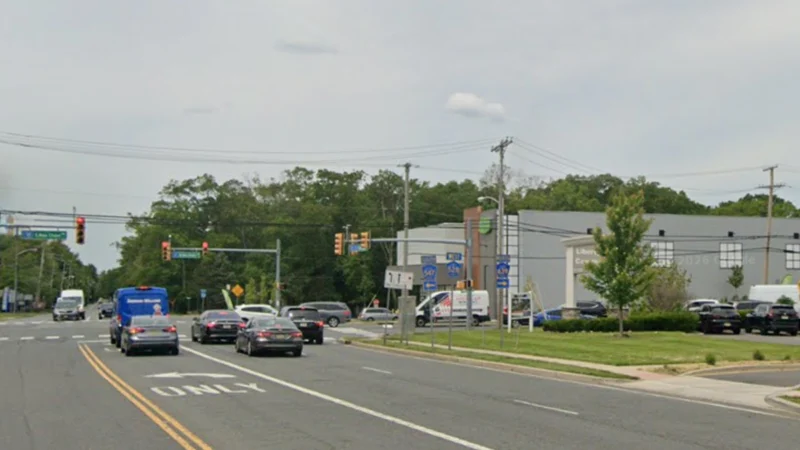
Reader Submitted:
Anyone who has lived in Jackson Township for more than a decade knows the truth: driving here has become significantly worse.
What was once a community where residents could get from one side of town to the other without much frustration has transformed into a daily exercise in patience, gridlock, and increasingly dangerous driving conditions. The problem isn’t just one issue. It’s a combination of explosive population growth, poor long-term planning, deteriorating driving habits, and an infrastructure system that has failed to keep pace with the realities of modern Jackson.
Over the past decade, thousands of new homes have been built across Jackson and neighboring communities. Large residential developments continue to receive approvals while many of the roads serving them remain virtually unchanged. The same county roads that carried traffic in the 1950s and 1960s are now expected to handle volumes that their original designers could never have imagined.
Jackson and Lakewood’s Dangerous Roads Opens Door to Federal Road Safety Grants Worth $384,000
The result is obvious to anyone who travels County Line Road, Bennetts Mills Road, East Veterans Highway, South Hope Chapel Road, West Veterans Highway, or portions of Cedar Swamp Road during peak hours. What were once simple local roads have become congested commuter corridors. Yet many remain single-lane roads in each direction with limited shoulders, inadequate turning lanes, and few meaningful improvements despite years of growth.
The situation has been further complicated by regional transportation demands. The consolidation of schools and the expansion of private school transportation networks have dramatically increased bus traffic. Every school day, large numbers of buses travel between Jackson and Lakewood, transporting students to various educational institutions. In many areas, residents now encounter school buses throughout the day rather than only during traditional morning and afternoon pickup times.
But infrastructure is only part of the problem.
Driving habits have also declined.
Distracted driving has become an epidemic. It is now common to see drivers looking down at phones at traffic lights, drifting across lane markings, failing to notice changing traffic conditions, or slowing traffic because their attention is focused on a screen rather than the road. According to the National Highway Traffic Safety Administration, distracted driving continues to be a significant factor in thousands of crashes nationwide every year.
Residents routinely report seeing drivers roll through stop signs, ignore traffic controls, make aggressive turns, block intersections, and engage in reckless passing maneuvers. Courtesy behind the wheel appears increasingly rare. The unwritten social contract that once governed local driving—allowing another driver to merge, respecting right-of-way, or simply exercising patience—has given way to a culture of impatience and entitlement.
The safety concerns are not imagined. Traffic crashes continue to be a major issue throughout Ocean County, and both Jackson and Lakewood regularly experience serious accidents on local and county roadways. Emergency responders frequently find themselves dealing with collisions on roads that were never designed to accommodate current traffic volumes.
Compounding the problem is the commercialization of roads that were never intended to support significant retail traffic. Small local roads increasingly serve as access points for shopping centers, warehouses, service businesses, and residential developments. Every new driveway, traffic signal, and commercial entrance creates additional conflict points for motorists and contributes to congestion.
Perhaps most frustrating is the perception that growth has consistently outpaced planning.
Traffic Safety in Jackson and Lakewood at Top of Ocean County Commissioners’ List
Development approvals generate immediate benefits for builders and tax revenue for government, but traffic impacts often emerge years later. Residents are left wondering why major infrastructure improvements were not required before approving thousands of new housing units. Too often, road projects seem reactive rather than proactive.
Jackson remains a great place to live, but ignoring transportation challenges will only make matters worse. Township, county, and state officials must begin addressing long-term transportation needs before conditions deteriorate further. That means widening critical corridors where feasible, improving intersections, coordinating regional transportation planning with neighboring municipalities, and ensuring future development approvals account for realistic traffic impacts.
The reality is simple: Jackson is no longer the Jackson of 10 years ago. The population has grown, traffic patterns have changed, and demands on local roads have increased dramatically. Unfortunately, much of the transportation infrastructure remains stuck in the past.
Until planning catches up with growth, residents will continue spending more time sitting in traffic, navigating dangerous roadways, and wondering why common sense wasn’t part of the conversation when these decisions were made.
Beth – Jackson, NJ
