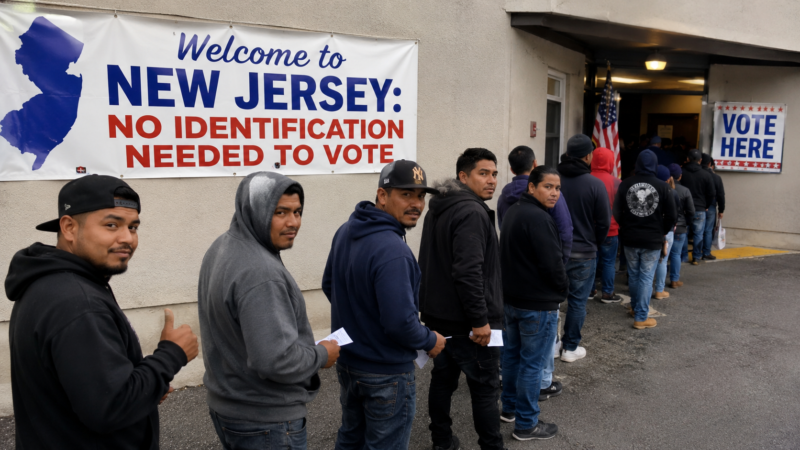
A new legislative fiscal analysis projects New Jersey’s sweeping election reform bill will require at least $2.5 million in its first year, with ongoing costs expected to continue indefinitely.
Trenton, NJ – A newly released fiscal analysis of New Jersey’s proposed “John R. Lewis Voter Empowerment Act” estimates the legislation will cost taxpayers at least $2.5 million during its first year of implementation, with additional state and local government expenses expected to continue in future years.
The estimate, prepared by the Office of Legislative Services, concludes the bill will increase annual state expenditures by at least $2.5 million initially while creating indeterminate long-term costs for the Office of the Attorney General, the Department of State, the Judiciary, and local governments.
Attorney General would oversee expanded election authority
The legislation establishes the “John R. Lewis Voter Empowerment Act of New Jersey,” creating new voting rights protections while significantly expanding the Attorney General’s role in election oversight and enforcement.
Among its provisions, the bill authorizes the Attorney General to oversee enforcement, review certain local election changes before they take effect through a preclearance process, assist local governments with language access requirements, conduct recurring studies, and issue subpoenas during investigations. It also requires the Division of Elections to establish a publicly accessible elections database and a statewide ballot translation clearinghouse.
Local governments could face additional costs
According to the fiscal estimate, counties and municipalities will incur additional administrative expenses to provide multilingual election materials where required. Those costs would be reimbursed by the state, but local governments could also face litigation expenses if courts determine they violated the law’s voting rights provisions.
The analysis notes that plaintiffs could recover legal costs in successful cases, while local governments may also be required to implement court-ordered election changes. Additional costs to the Judiciary are also expected if the legislation results in increased litigation.
Notably, the Office of Legislative Services said the Executive Branch did not provide a fiscal note for the legislation, prompting legislative analysts to prepare the estimate independently.
Key Points
- A legislative fiscal estimate projects at least $2.5 million in first-year costs to implement New Jersey’s proposed election reform law.
- The legislation expands the Attorney General’s authority over election oversight, enforcement, language access, and preclearance reviews.
- State and local governments are expected to incur additional ongoing administrative and litigation-related expenses beyond the initial appropriation.
Related: New Jersey Legislature, New Jersey Attorney General, Department of State, Voting Rights, Trenton