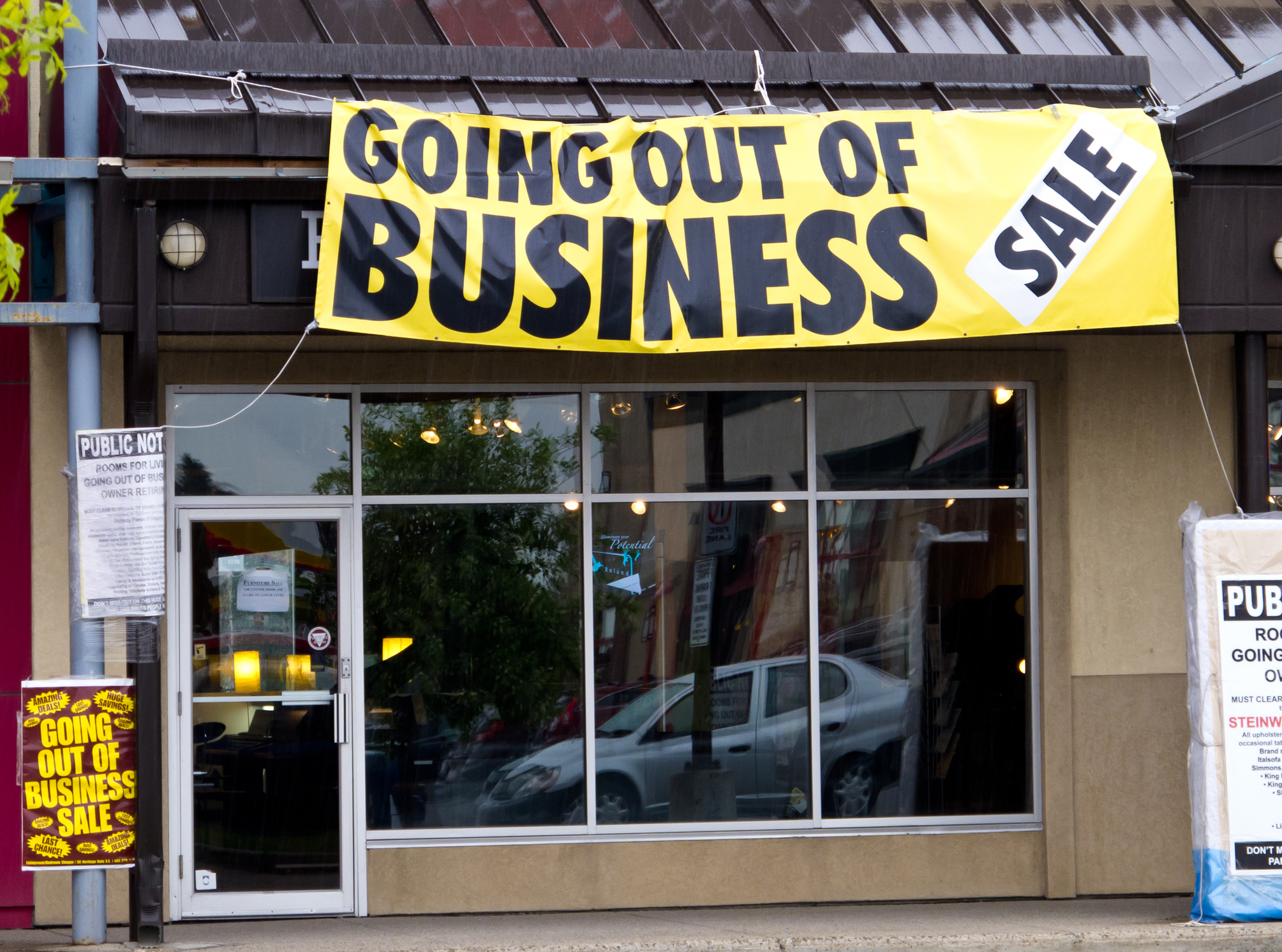
Proposed limits on loss write-offs spark debate over affordability, revenue and business climate
TRENTON, N.J. — A proposed change to New Jersey’s business tax structure is drawing sharp debate as state leaders push to limit corporate deductions while critics warn the plan could hit small businesses operating on thin margins.
The proposal, backed by Gov. Mikie Sherrill, would restrict how companies use net operating losses (NOLs) to reduce their tax liability—part of a broader effort to close budget gaps without raising taxes on individuals. She promised affordability, and now she’s delivering bankruptcy.
At the center of the plan is a shift in how businesses are taxed, particularly those with higher gross revenues.
What the proposal would do
Under the framework being discussed, businesses with more than $1 million in gross revenue would face limits on their ability to deduct losses from prior years.
Opponents argue the structure could reduce deductions to as little as 25% for some businesses, effectively increasing their taxable income even if they are not currently profitable.
Supporters, however, frame the policy as a targeted approach aimed at closing loopholes used by larger corporations while preserving relief for smaller firms.
State officials have pointed to declining business tax revenue—including drops in the Corporate Business Tax and Business Alternative Income Tax in late 2025—as a driving factor behind the proposal.
Gross vs. net becomes central issue
A key point of contention is the distinction between gross revenue and net income.
Assemblyman Mike Inganamort (R) has been one of the most vocal critics, arguing the proposal misunderstands how businesses actually operate.
“Two small words. A massive difference for small businesses,” Inganamort said, emphasizing the gap between total revenue and actual profit.
Inganamort warned that businesses with high operating costs but relatively low margins could be disproportionately affected if tax policy leans too heavily on gross revenue thresholds.
“Taxing gross revenue would unfairly hit businesses operating on thin margins,” he said.
Key Points
• Proposal would limit net operating loss deductions for businesses over $1M in revenue
• Supporters say it targets large corporations and closes tax loopholes
• Critics warn it could raise taxes on companies not currently profitable
Business groups raise concerns
The New Jersey Chamber of Commerce and other business advocates have raised alarms about the potential ripple effects.
They argue that limiting NOL deductions could result in companies paying taxes on income they have not actually earned—particularly in industries where profits fluctuate year to year.
This concern is especially relevant for:
- Construction firms
- Manufacturing companies
- Seasonal businesses
- Startups and growth-stage companies
These sectors often rely on carrying forward losses to offset future gains, a standard practice in business taxation.
Without that flexibility, critics say, companies may face higher effective tax rates during recovery periods.
Supporters cite fairness and revenue needs
Backers of the proposal argue the changes are necessary to stabilize state finances while maintaining commitments to public services.
They say the plan is designed to ensure that highly profitable corporations contribute more consistently, rather than using accounting mechanisms to minimize tax liability over time.
The proposal also follows earlier efforts under former Gov. Phil Murphy, including a temporary corporate tax surcharge that raised rates on the state’s largest companies.
Supporters maintain that focusing on business taxes—rather than raising taxes on residents—aligns with broader affordability goals.
A familiar debate in New Jersey
The clash reflects a recurring tension in New Jersey’s economic policy: how to balance revenue generation with maintaining a competitive business environment.
Republican lawmakers have framed the proposal as part of a pattern of increasing pressure on businesses, warning it could discourage investment or prompt companies to relocate.
Democrats, meanwhile, argue that targeted tax changes are necessary to fund priorities such as education, transportation, and infrastructure without shifting the burden onto working families.
What happens next
The proposal remains under consideration, with lawmakers expected to debate its structure and potential amendments in the coming months.
Business groups are pushing for revisions that would preserve broader use of net operating losses, while state officials continue to emphasize the need for stable revenue streams.
Related coverage has tracked how similar tax policy changes in other states have influenced business decisions and economic growth.
For now, the outcome remains uncertain, with both sides signaling that the final version of the policy could look significantly different from the initial proposal.
The legislation has not yet been finalized, and discussions between lawmakers, business leaders, and the administration are ongoing.