
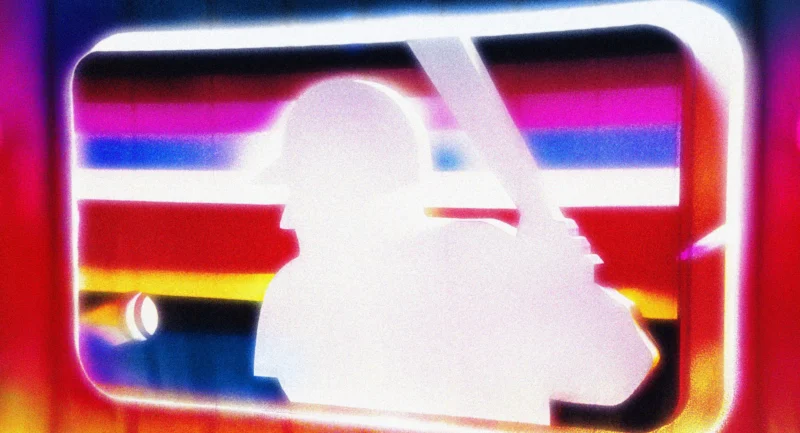
New York, NY — Major League Baseball has replaced its traditional logo across social media and digital platforms with a Pride-themed version for June, featuring the league’s iconic batter silhouette set against the colors of the Progress Pride flag as Pride Month begins across the United States.
The annual logo change coincides with dozens of LGBTQ+ events planned by teams throughout the league, including Pride Nights, special merchandise giveaways, community partnerships, and fundraising efforts. Yet the campaign also highlights a longstanding reality within professional baseball: despite years of inclusion initiatives, there are currently no publicly out active players on a Major League Baseball roster.
The culture within the league is not one that has been kind to those who publicly come out. The contrast has become one of the most discussed aspects of baseball’s Pride Month observances.
League-Wide Celebration Meets Representation Gap
MLB has increasingly embraced Pride Month over the past decade, with nearly every franchise hosting events designed to celebrate LGBTQ+ fans and promote inclusion within the sport.
This year, teams across the league are planning special promotions throughout June.
The Toronto Blue Jays will host Pride Night on June 5 with a City Connect Pride hat giveaway. The Los Angeles Dodgers are also holding Pride Night on June 5, while the Houston Astros will celebrate on June 3 with pregame ceremonies recognizing members of the LGBTQ+ community.
The New York Mets will host Pride Night on June 26 at Citi Field, benefiting anti-bullying programs through the NY LGBT Network while distributing Pride-themed merchandise to fans.
Other clubs, including the Cleveland Guardians, Chicago Cubs, Colorado Rockies, and Cincinnati Reds, have scheduled similar events throughout the month.
One Team Remains an Outlier
While MLB promotes Pride Month league-wide, not every club participates in the same way.
The Texas Rangers remain the only franchise that does not host an official Pride Night, making the organization an outlier among the league’s 30 teams.
The Rangers have previously stated that they welcome all fans but have not adopted the dedicated Pride Night format embraced by the rest of the league.
That distinction has frequently drawn attention each June as other teams expand LGBTQ+ programming.
Key Points
• MLB changed its logo to a Pride-themed version for Pride Month.
• Nearly every team is hosting Pride-related events and celebrations throughout June.
• There are currently no publicly out active players on Major League Baseball rosters.
Baseball Still Lags Other Major Sports, At Least Publicly
The visibility campaign comes as baseball continues to face questions about LGBTQ+ representation among players. While many observers note that LGBTQ+ athletes almost certainly exist throughout professional baseball, very few have publicly disclosed their sexuality while actively competing.
Bryan Ruby became the first openly gay active professional baseball player affiliated with MLB when he came out in 2021 while playing in the minor leagues.
Historically, former Los Angeles Dodgers and Oakland Athletics player Glenn Burke is widely recognized as baseball’s first openly gay player, though he was not publicly out during his major league career in the 1970s.
Former major leaguer Billy Bean later came out after retiring and went on to serve as MLB’s Vice President for Diversity, Equity and Inclusion.
As of 2026, however, there are no self-promoting, openly gay players currently active on a Major League Baseball roster.
A Different Dynamic Than Other Leagues
The absence contrasts with several other major North American sports leagues.
The NFL has seen active players publicly come out, including Carl Nassib. The NBA saw Jason Collins become the first openly gay active player in one of the four major men’s professional sports leagues. Hockey has also seen increasing visibility among players and prospects.
Baseball’s culture has often been cited by analysts and former players as one factor contributing to the lack of openly gay active major leaguers.
Some athletes have spoken broadly about concerns related to clubhouse dynamics, privacy, media attention, and career implications, though MLB officials have repeatedly emphasized the league’s commitment to inclusion.
Pride Month Becomes Part of Baseball’s Identity
Whether through special uniforms, community events, charitable partnerships, or social media campaigns, Pride Month has become a significant part of MLB’s annual calendar.
The new logo serves as the league’s most visible statement of support, appearing across MLB’s digital platforms throughout June.
For supporters, the logo reflects baseball’s effort to welcome LGBTQ+ fans and communities. For critics and advocates alike, it also serves as a reminder of a continuing disconnect between the league’s public inclusion campaigns and the absence of openly LGBTQ+ players at the sport’s highest level.
As Pride Month unfolds across ballparks nationwide, both realities are likely to remain part of the conversation.