Homeless camp reappears outside White House day after Trump orders crackdown
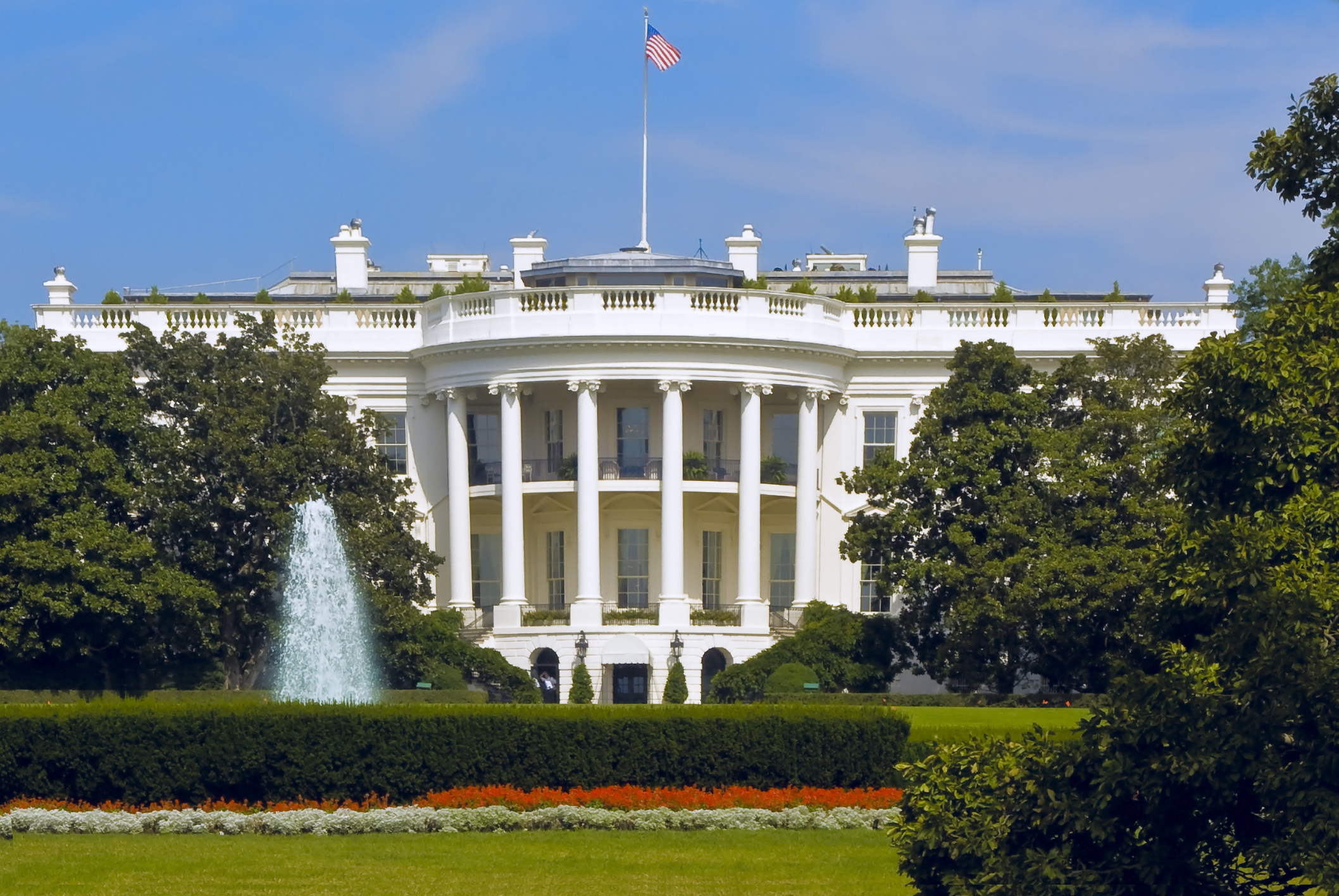
WASHINGTON — A new homeless encampment has emerged directly across from the White House this week, one day after the President announced his new plan to combat homelesness, and one year after a previous camp in the same location was dismantled by D.C. Mayor Muriel Bowser and then-President Joe Biden in 2024.
The reappearance comes as President Donald Trump signed an executive order this week aimed at aggressively addressing the growing homelessness crisis nationwide.
The cluster of tents in Lafayette Park appeared earlier this week, within view of the president’s residence. Reporters questioned Trump about the situation Thursday on the White House lawn. They were prepared to turn the moment into a political moment for Democrats.
“I think it’s terrible and we’ll have them removed immediately,” Trump said when asked about the camp. He blamed local leadership for failing to maintain control of the capital. “She must manage Washington properly,” he added, referring to Bowser, and said he had the authority to take federal control if necessary.
Trump’s executive order, signed Wednesday, outlines new federal measures to address homelessness. The order expands the power of authorities to involuntarily commit individuals suffering from mental illness or drug addiction. It also prioritizes federal funding for cities that enact strict enforcement against public camping, open drug use, and similar activity. The Supreme Court has recently backed the administration’s authority to enforce tougher rules against homeless encampments in public spaces.
The reemergence of tents near the White House has triggered suggestions of political staging — a tactic some officials claim is increasingly used by advocacy groups and partisan opponents to apply public pressure. That pressure is meant to keep the local, state, and federal government money pouring into homeless advocacy groups and multi-million dollar homeless non profit organizations, profiting from the homeless epidemic.
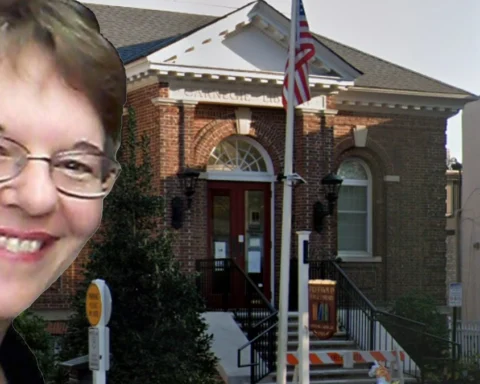
The same allegation was leveled in Toms River, New Jersey earlier this year, where Republican Mayor Dan Rodrick faced a similar episode. In February, a homeless encampment appeared in a municipal parking garage near City Hall, coinciding with Rodrick’s public opposition to a soup kitchen operated out of the public library by a charity affiliated with musician Jon Bon Jovi.
Rodrick argued the camp was not spontaneous but orchestrated. “It was backed by homeless industrial complex special interests,” Rodrick said in a town hall meeting, accusing his political opponents of working with nonprofit groups to manufacture a crisis.
The mayor’s office cited several criminal incidents and multiple drug overdoses at the encampment in the weeks that followed. In July, Rodrick worked with county and state officials to relocate the individuals into housing and treatment programs. He said the city’s focus was on long-term solutions, not what he described as “publicity stunts designed to undermine municipal policy.”
Critics of the so-called “homeless industrial complex” — a term used by some elected officials to describe a network of nonprofits, advocacy groups, and political allies — claim these entities benefit financially and politically from maintaining visible homelessness in cities to drive public policy.
The Trump administration’s latest actions frame homelessness primarily as a public safety threat rather than a social service challenge, marking a clear shift in approach from previous federal policy. While advocates have warned of the implications for civil liberties, Trump and allies argue that the government must restore order in public spaces and reduce street-level disorder.
With Lafayette Park now once again housing a visible encampment, the White House is moving quickly to enforce the new executive order’s provisions.
Trump Takes Action to Tackle Homeless and Mental Health Crisis in America
TOMS RIVER, NJ — Help might be coming from the White House to tackle New Jersey’s gorwing homeless and mental health crisis. This week, an exective order was signed that will bolster resources and shift the way America deals with the homeless crisis.
In New Jersey, the homeless epidemic under Governor Phil Murphy was put on display in Toms River, as dozens of homeless people were drawn to the Ocean County seat after the Ocean County Board of Commissioners opened a soup kitchen operated by Jon Bon Jovi.
That battle ended when Toms River Mayor Dan Rodrick, along with other relief agencies placed those individuals into programs and housing, but is starting again as new homeless individuals began appearing again downtown last weekend.
President Donald J. Trump on Thursday signed an executive order directing sweeping changes to federal homelessness policy, prioritizing civil commitment, institutional treatment, and increased law enforcement involvement in addressing public disorder on city streets.
The order, titled “Ending Crime and Disorder on America’s Streets,” cites rising homelessness and links it to mental illness, drug addiction, and public safety concerns. It directs the Attorney General, the Department of Health and Human Services, Housing and Urban Development, and Transportation to take immediate steps that encourage states to institutionalize individuals deemed unable to care for themselves due to mental illness or substance use.
“Shifting homeless individuals into long-term institutional settings for humane treatment through the appropriate use of civil commitment will restore public order,” the order states.
According to the administration, 274,224 people were living on the streets on a single night during the final year of the previous administration, the highest number ever recorded. The order asserts that most of them suffer from addiction or mental illness.
Key provisions of the directive include:
- Encouraging federal legal challenges to judicial precedents and consent decrees that restrict involuntary commitment policies
- Directing grant preferences to states and cities that enforce laws against urban camping, loitering, drug use, and squatting
- Requiring federal housing programs to disqualify recipients operating “safe consumption sites” or distributing drug paraphernalia
- Expanding efforts to assess arrested homeless individuals for sexual dangerousness under federal civil commitment statutes
- Instructing federal agencies to support the expansion of drug and mental health courts, rather than housing-first initiatives
- Allowing federal housing programs to segregate housing by sex and exclude sex offenders from facilities housing children
The order also mandates the collection and possible sharing of health data from individuals receiving federal homelessness assistance with law enforcement, subject to legal limitations.
Federal funds will be directed away from harm-reduction programs and toward treatment-focused models. The order calls for increased regulation of federal grantees, including the possibility of freezing assistance to programs found in violation of federal drug laws.
Trump’s executive order marks a significant federal shift away from “housing first” approaches, emphasizing coercive treatment and law enforcement as central tools in combating homelessness.