


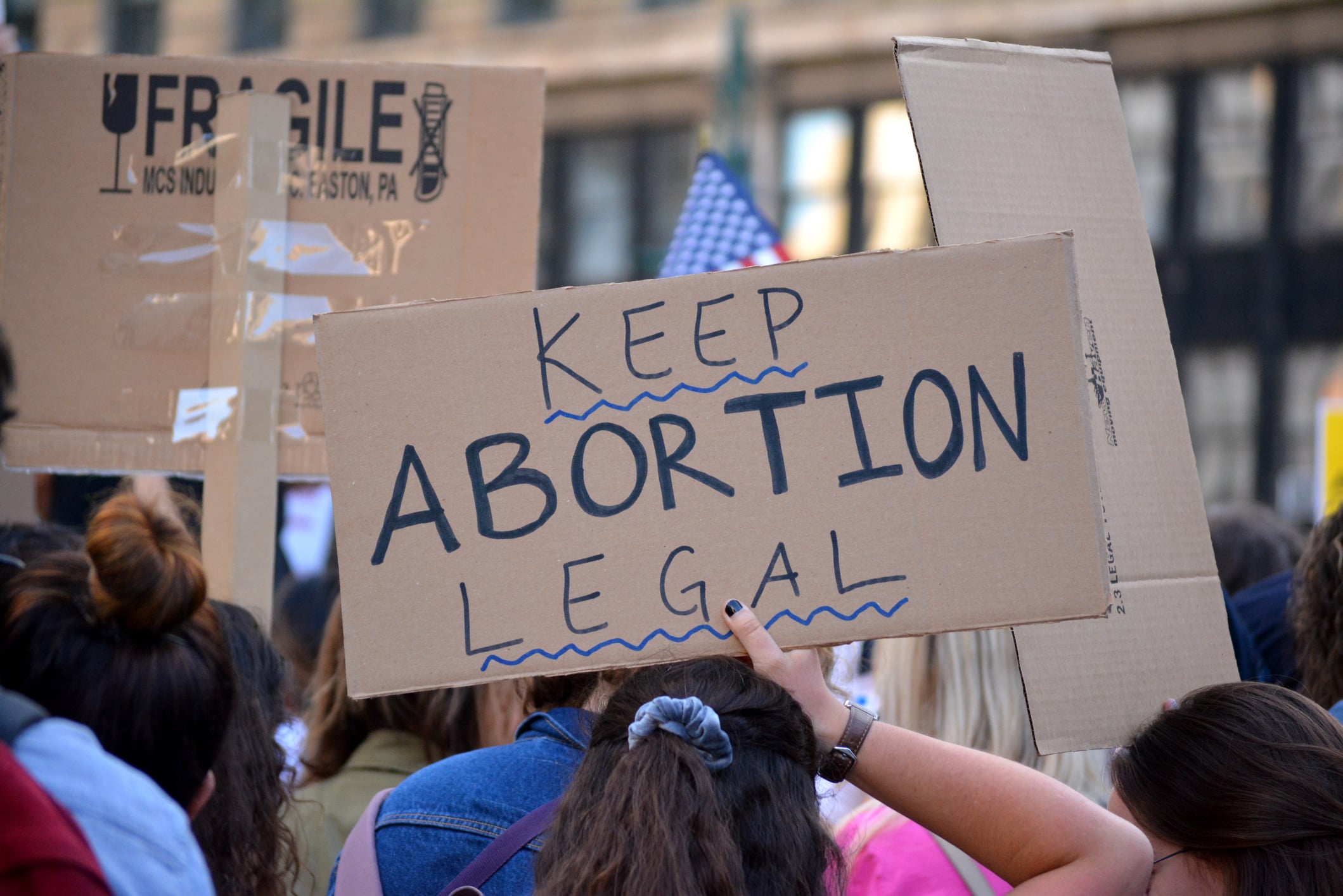
Legislation advancing in the State Assembly would create new criminal penalties for interference with reproductive health care services while strengthening privacy and legal protections for providers and patients.
TRENTON, N.J. — New Jersey lawmakers have advanced legislation that would establish new criminal and civil penalties for interfering with reproductive health care services and expand protections for patients, providers, volunteers, and organizations involved in reproductive health care activities.
Assembly Bill A2218, an Assembly Committee Substitute, was reported from the Assembly Appropriations Committee with amendments on June 8 and received a floor amendment in the Assembly on June 11. The measure is now on second reading in the Assembly.
Key Points
• A2218 creates a new crime of interference with reproductive health care services.
• The bill authorizes civil lawsuits and financial penalties against individuals who unlawfully interfere with reproductive health care activities.
• The legislation expands protections against out-of-state investigations, subpoenas, extradition requests, and disclosure of patient information.
New Criminal Offense Created
The bill establishes the crime of “interference with reproductive health care services” for individuals who intentionally obstruct access to reproductive health care, threaten or intimidate patients and providers, inflict bodily injury, or damage property associated with reproductive health care services.
Depending on the circumstances and severity of harm, violations could be charged as second-, third-, or fourth-degree crimes.
Penalties could range from up to 18 months in prison for a fourth-degree offense to as much as 10 years imprisonment for second-degree offenses involving serious bodily injury.
Civil Lawsuits and Financial Penalties
In addition to criminal penalties, the legislation authorizes civil actions against individuals who unlawfully interfere with reproductive health care activities.
Courts could award injunctive relief, compensatory damages, punitive damages, attorney fees, litigation costs, and other equitable remedies. The Attorney General would also be authorized to seek civil penalties of up to $10,000 for a first violation and up to $25,000 for subsequent violations.
Expanded Privacy and Interstate Protections
The legislation would strengthen existing protections for reproductive health care information by limiting when medical providers and other covered entities may disclose patient communications or records related to reproductive health care activity. Written consent from the patient or authorized representative generally would be required.
The bill also would prohibit state and local officials from using public resources to assist certain out-of-state investigations or proceedings seeking to impose civil or criminal liability for reproductive health care activity that is legal in New Jersey.
Additional provisions would restrict extradition, subpoenas, search warrants, wiretaps, and certain law enforcement actions connected to out-of-state proceedings involving reproductive health care activities that are lawful under New Jersey law.
Fiscal Impact Remains Uncertain
According to the Office of Legislative Services, the bill would likely result in an indeterminate increase in state and local expenditures due to additional criminal prosecutions, civil actions, court proceedings, corrections costs, and law enforcement activities.
The fiscal analysis also notes the state could receive additional revenue from fines and court-related collections, although the amount cannot currently be estimated.
Opposition Raises Constitutional Concerns
A minority statement filed by several Republican lawmakers argues the bill raises concerns involving free speech protections, interstate legal cooperation, parental rights, professional licensing oversight, and legal liability standards.
Supporters maintain the legislation is intended to safeguard access to reproductive health care services and protect providers and patients from intimidation, harassment, and interference.