A New Jersey Department of Health inspection found no evidence of rodents or vermin in Delaney Hall’s kitchen despite claims from the left, though inspectors documented a few food temperature and sanitation violations, resulting in a conditional rating.
NEWARK — A newly released New Jersey Department of Health inspection report found Delaney Hall’s food service operation to be generally sanitary and free from rodent or vermin activity, despite ongoing allegations from detainees, advocates, and state officials regarding conditions inside the Newark immigration detention facility.
Democratic lawmakers and advocacy groups highlighted several severe claims regarding the food provided to detainees at the Delaney Hall ICE facility in Newark, New Jersey.
The primary allegations include:
- Maggots and Worms: Detainees and lawmakers, such as Rep. Jerry Nadler, claimed that meals very frequently contained maggots or worms.
- Spoiled or Expired Ingredients: Claims included reports of inedible, expired, and chunky food. Detainees also reported being served curdled milk and spoiled meals.
- Substandard Preparation: Lawmakers noted that food was poorly prepared, stored at improper temperatures, and lacked adequate nutritional value.
- Contaminated Water: There were multiple reports by detainees that the facility’s water tasted metallic and was largely undrinkable.
Most of those claims were dismissed by inspectors.
The May 28 inspection resulted in a “Conditional” rating after inspectors identified several food safety violations related to food cooling procedures, hot-food holding temperatures, sanitation practices, and employee oversight. However, inspectors also reported that the facility’s kitchen and warehousing areas were “satisfactory and free from signs of rodent or vermin activity” at the time of the inspection.
Key Points
• State inspectors found Delaney Hall’s kitchen free of rodent and vermin activity.
• The facility received a conditional rating due to food safety violations involving temperature controls and sanitation practices.
• New Jersey officials continue to pursue legal action seeking broader access to inspect conditions throughout the detention center.
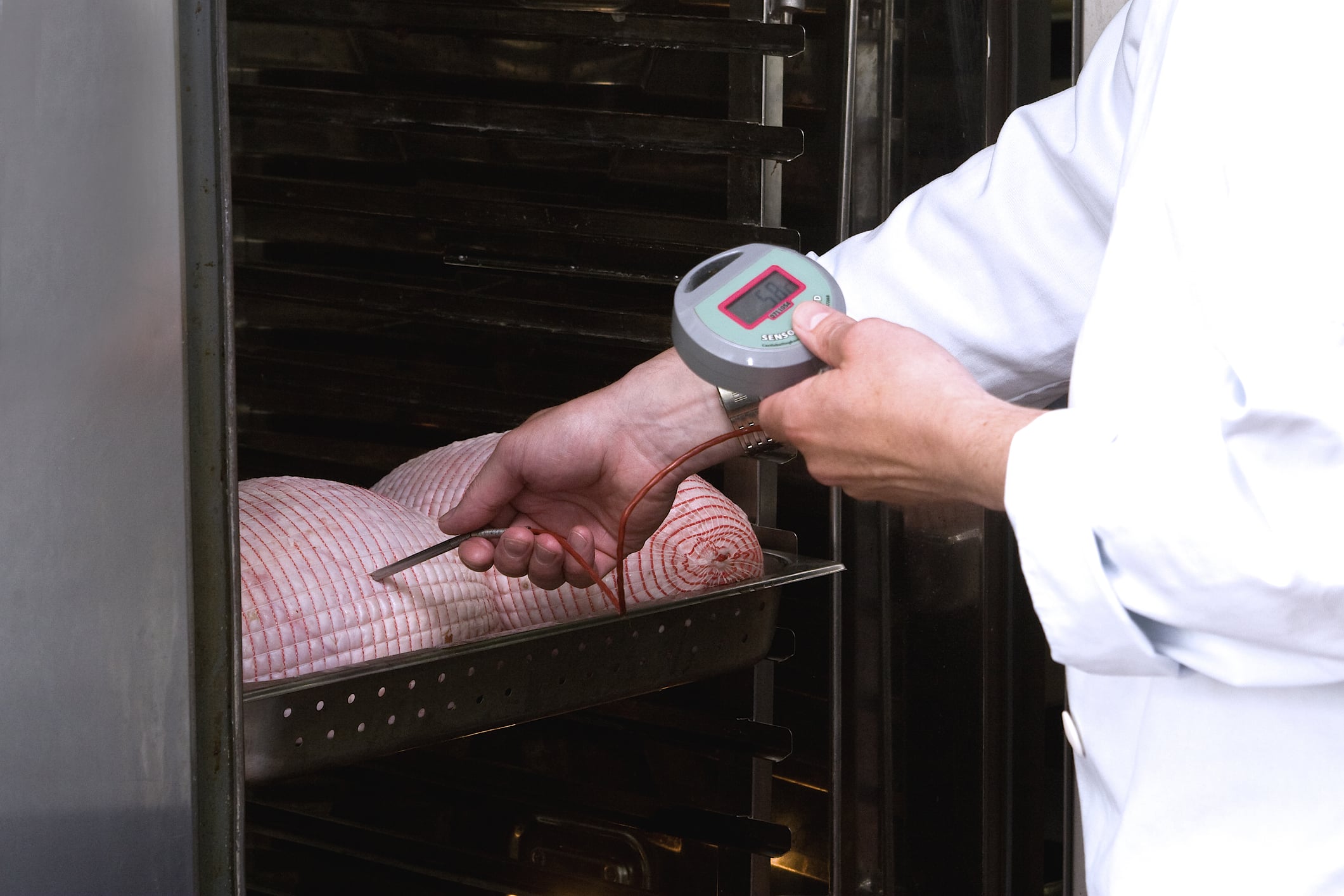
According to the report, inspectors observed improperly cooled chicken stew stored at temperatures ranging from 50 to 57 degrees, above allowable food safety limits. The food was voluntarily discarded after inspectors determined it had not been cooled properly following service the previous evening. Inspectors also found meatballs being held below required hot food temperatures and cited management for failing to adequately oversee food safety procedures.
Additional deficiencies included uncovered garbage containers in food preparation areas, improper storage of soda near chemicals, and a dishwasher sanitizer system that initially failed to maintain proper sanitizing concentrations. Several of the issues were corrected on-site during the inspection.
Inspectors describe the facility as commercially equipped
The report notes that Delaney Hall’s production kitchen was fully equipped with commercial-grade food service equipment, including convection ovens, walk-in coolers, walk-in freezers, industrial hot holding units, dishwashing equipment, and food storage systems. Inspectors also reported that pest control services are performed weekly and that the most recent treatment had occurred one week before the inspection.
State inspectors further noted that the facility maintains sample meals from each service period for foodborne illness traceability and testing purposes. The report states that Halal, Kosher, and vegetarian meal options are available for detainees with dietary or religious needs.
The full results of the inspection have been published by Politico.
The inspection concluded that while management needed to improve oversight of food safety practices, the overall physical condition of the kitchen and storage areas was satisfactory.
Lawsuit and protests continue
The inspection findings come amid a broader dispute between New Jersey officials and federal immigration authorities over access to Delaney Hall.
Attorney General Jennifer Davenport and the New Jersey Department of Health have filed legal action against GEO Group, alleging state inspectors were denied the ability to conduct broader inspections beyond food service operations. State officials argue they should be allowed to evaluate conditions throughout the detention center rather than being limited to kitchen areas.
Advocates, detainees, and elected officials have alleged that detainees have been served spoiled food, experienced inadequate medical care, and faced unsanitary living conditions. Some detainees have also reported concerns about water quality and outbreaks of communicable illnesses.
Federal officials reject allegations
The Department of Homeland Security has strongly disputed those claims, characterizing the allegations as politically motivated and noting that Delaney Hall undergoes regular inspections and audits.
Federal officials argue the facility complies with applicable detention standards and have described New Jersey’s lawsuit as lacking merit. DHS has also pointed to the state inspection findings showing no evidence of rodents, vermin, or other widespread sanitation problems in the kitchen operation.
The legal dispute over inspection authority remains ongoing, with state officials seeking expanded access to the facility while federal authorities maintain that Delaney Hall is operating in compliance with federal detention requirements.