
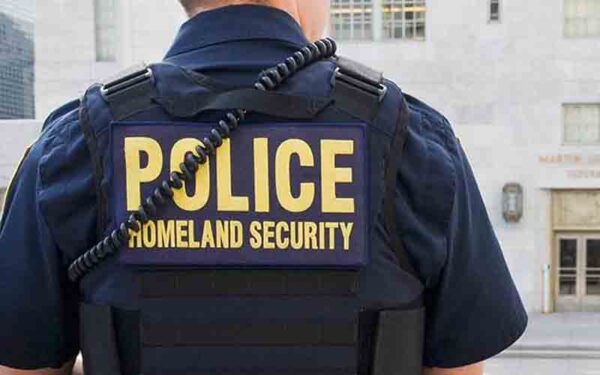
Attorney General Jennifer Davenport has released new statewide model policies aimed at protecting access to schools, hospitals, shelters and places of worship as federal immigration enforcement activity continues across New Jersey.
New Jersey Attorney General Jennifer Davenport announced the publication of six model policies designed to guide schools, hospitals, shelters, social service agencies, correctional facilities and houses of worship when responding to federal civil immigration enforcement activity.
The policies were issued under the Safe Communities Act, which became law in January and requires the Attorney General’s Office to establish guidance for designated “sensitive locations” throughout the state.
State officials said the goal is to ensure residents can continue accessing education, healthcare, religious services and social assistance without fear of immigration enforcement disrupting those services.
“No one in our state should be afraid to go to school, get medical care, worship, or seek the help they need,” Davenport said. “The model policies we are publishing today provide important guidance for sensitive locations – hospitals, schools, shelters, places of worship, and more – so that these institutions can more effectively protect the people they serve.”
Governor Mikie Sherrill said the administration believes the policies will strengthen public safety and trust in state institutions.
“The president’s policies aren’t making our communities safer – instead, the White House has created fear that discourages people from reporting crimes or going to school,” Sherrill said. “In New Jersey, we are charting a different path forward that respects Constitutional rights and strengthens public safety.”
Policies Cover Six Types of Facilities
The Attorney General’s Office released separate model policies for:
- Health care facilities
- Places of worship
- Social service offices
- Public schools serving Pre-K through grade 12
- Shelter facilities
- Correctional facilities
Under the Safe Communities Act, these locations are required to follow the state’s model policies or adopt policies that provide greater protections consistent with state and federal law.
The guidance outlines procedures facilities should follow when federal immigration officers seek access to their property or request information.
According to the Attorney General’s Office, the policies focus on three primary areas: preparation before an immigration enforcement encounter occurs, responding to requests for access or information, and documenting interactions with federal officers.
Focus on Nonpublic Areas
State officials said the policies specifically address situations where federal immigration officers seek entry into nonpublic areas of facilities without a judicial warrant.
The guidance was developed in consultation with state agencies and community stakeholders.
Yolanda N. Melville, director of the New Jersey Division on Civil Rights, said the policies are intended to help community institutions continue serving residents.
“These model policies strengthen the ability of civic and community institutions to protect the communities they serve,” Melville said.
The Safe Communities Act also requires several state departments, including Education, Health, Human Services, Community Affairs, Children and Families, and Corrections, to adopt the policies or implement stronger protections.
Part of Broader State Immigration Policies
The release is the latest step in a series of actions taken by the Sherrill administration concerning immigration enforcement.
In February, Sherrill signed Executive Order No. 12 prohibiting state agencies from consenting to the use of state-owned property for civil immigration enforcement operations or staging activities.
In March, the governor signed the Privacy Protection Act, which limits certain information-sharing practices involving healthcare providers and government agencies.
The administration also signed legislation codifying the Attorney General’s Immigrant Trust Directive, which has been in effect since 2018 and restricts state and local law enforcement participation in federal civil immigration enforcement activities.
Ongoing Legal Challenges
The Attorney General’s Office noted that New Jersey has also been involved in multiple legal challenges related to federal immigration policies.
According to the state, four lawsuits have successfully blocked federal agencies from conditioning grant funding on state cooperation with civil immigration enforcement efforts.
The administration also filed litigation earlier this year seeking to stop the conversion of a warehouse in Roxbury into a federal immigration detention facility.
More recently, the Attorney General’s Office and New Jersey Department of Health filed suit against GEO Group, the operator of Delaney Hall immigration detention center in Newark, seeking access to inspect the facility.
The model policies are now available through the New Jersey Office of the Attorney General for implementation by affected institutions across the state.
Key Points
• Attorney General Jennifer Davenport released six model policies for schools, hospitals, shelters, churches and other sensitive locations.
• The policies were required under New Jersey’s Safe Communities Act, signed into law in January.
• Guidance outlines how facilities should prepare for and respond to federal civil immigration enforcement activity.
• Governor Mikie Sherrill said the policies are intended to protect access to education, healthcare, worship services and social programs.
• The release is part of a broader series of immigration-related actions and lawsuits undertaken by the state.
New Jersey, Jennifer Davenport, Mikie Sherrill, Safe Communities Act, immigration enforcement, schools, hospitals, places of worship, shelters, Delaney Hall, Immigrant Trust Directive, New Jersey Attorney General