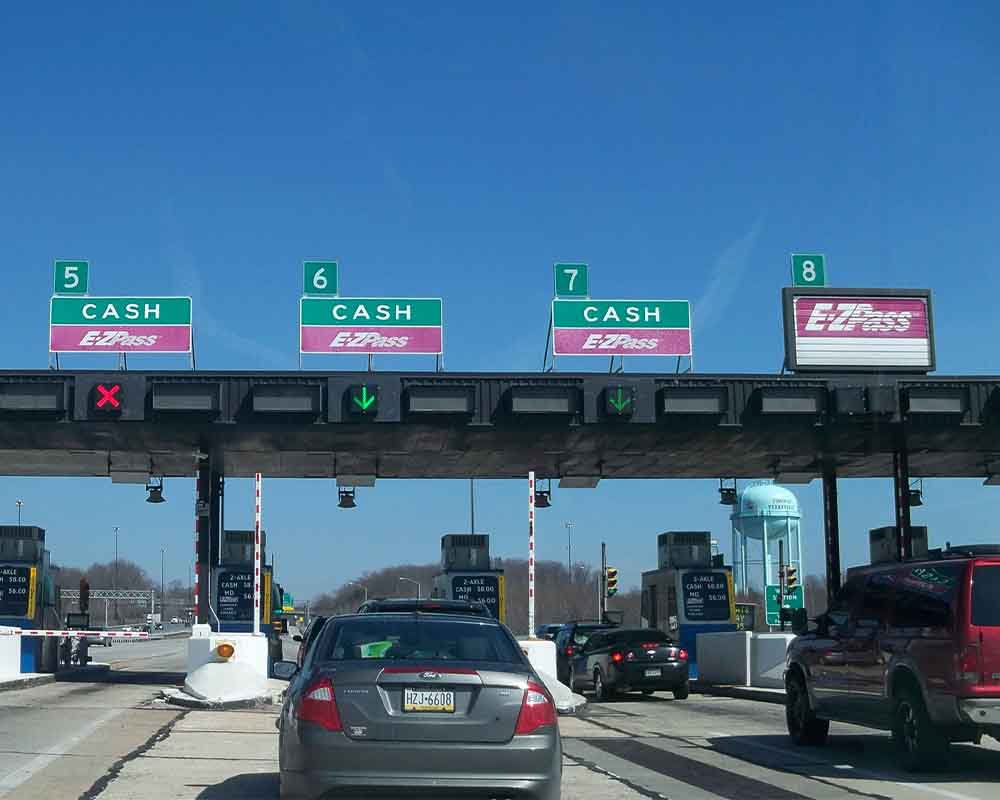
Tolls on New Jersey Turnpike and Parkway to rise 3% on January 1
WOODBRIDGE, NJ – Drivers on the New Jersey Turnpike and Garden State Parkway will pay 3% more in tolls starting January 1, 2026, as part of the Turnpike Authority’s annual inflation-based adjustment.
The increase applies to all vehicle classes and continues a yearly “indexing” system that began in 2020 to fund operations and long-term infrastructure projects.
The New Jersey Turnpike Authority said the adjustment helps cover higher operating costs and maintain a steady stream of revenue for bridge replacements, road repairs, and other capital improvements.
Annual inflation-based increases since 2020
Under the indexing system, tolls are adjusted each year to keep pace with inflation and rising expenses, including wages, benefits, insurance, and State Police services.
Before the change, toll hikes occurred less frequently but in larger amounts — such as a 50% increase in 2012. The Authority adopted smaller, predictable annual increases in 2020 to avoid steep one-time jumps.
The 2026 increase marks the latest in a series of roughly 3% hikes since indexing began.
Funding major projects and daily operations
The revenue supports the Authority’s operating budget as well as major capital projects, including replacement of aging bridges such as the Newark Bay Bridge and upgrades across the 300-mile toll network.
Officials say the indexing model provides financial stability and transparency for long-term planning while maintaining safe and reliable road conditions.
Recent toll history
Tolls rose by 3% in 2022, again in 2024, and will rise by the same amount in 2026. An attempted freeze in 2023 was vetoed, allowing the increase to take effect.
The 2026 adjustment will appear automatically at toll plazas and E-ZPass systems on both the Turnpike and Parkway starting at 12:01 a.m. January 1.
New Jersey Turnpike and Parkway tolls will rise by 3% on January 1 to fund maintenance, inflation costs, and ongoing infrastructure improvements.
 Lottery Results
Plainfield Quick Chek sells $224K Jersey Cash 5 jackpot ticket
Shore News Network Lottery Results
Jackpocket player hits $224K share of Jersey Cash 5 jackpot
Shore News Network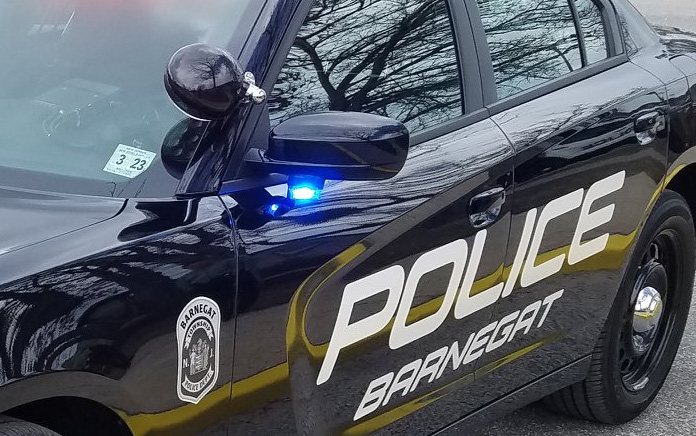 Police Blotter
Barnegat man accused of murdering wife before stabbing himself in chest
Shore News Network Events and Festivals
Duffield’s Farm Brings Food Trucks, Apple Picking to Sewell This Saturday
Shore News Network