TRENTON, N.J. — A New Jersey Judiciary disclosure that approximately 75,000 non-U.S. citizens receive jury summonses each year has ignited fresh debate over the state’s recordkeeping systems, with Assemblywoman Dawn Fantasia arguing the practice exposes broader flaws in government databases already under scrutiny following the state’s voter registration controversy.
The figure, first reported by New Jersey Globe publisher David Wildstein, comes days after Gov. Mikie Sherrill acknowledged that approximately 6,600 noncitizens were mistakenly registered to vote through a New Jersey Motor Vehicle Commission software error. While court officials say safeguards prevent ineligible individuals from serving on juries, Fantasia questioned why so many noncitizens are being summoned in the first place.
Judiciary says citizenship screening prevents ineligible service
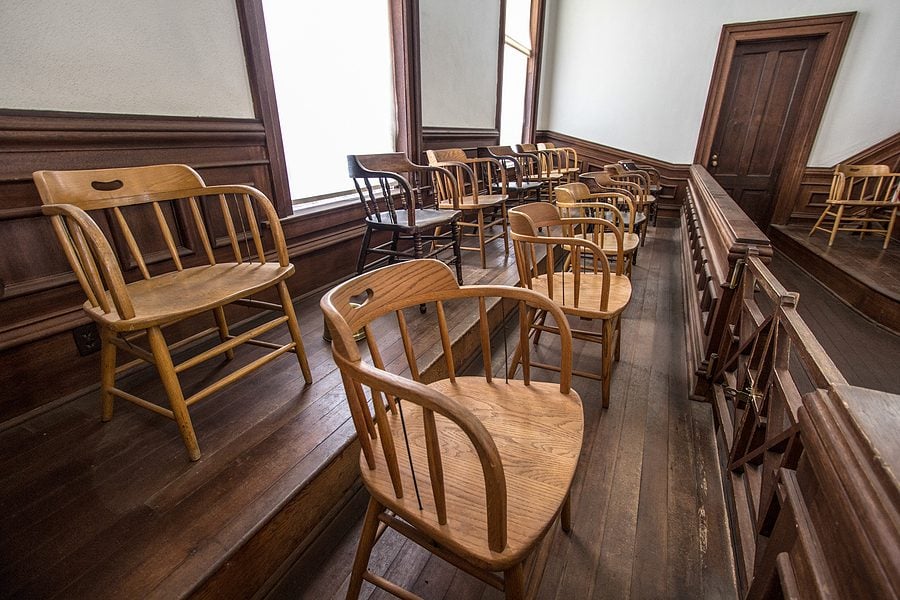
According to the New Jersey Judiciary, jury pools are compiled using records from the Division of Elections, the Division of Taxation and the New Jersey Motor Vehicle Commission.
Court officials said roughly 75,000 non-U.S. citizens receive jury summonses annually, but prospective jurors must certify whether they are U.S. citizens before they can serve. State law requires jurors to be U.S. citizens, and the judiciary says that screening process removes ineligible individuals from jury service.
The judiciary’s statement indicates that noncitizens are summoned but screened before serving. It does not state that noncitizens are routinely serving on juries.
Fantasia questions state verification process
Fantasia said the disclosure raises concerns about the integrity of the databases used by multiple state agencies.
“So let me get this straight. NJ says 75,000 non-citizens per year received jury summonses and were asked to self-certify that they are or are not U.S. citizens? Why are 75,000 non-citizens receiving jury summonses in the first place?” Fantasia wrote.
She noted that jury pools are built using information from the Division of Elections, Division of Taxation and the Motor Vehicle Commission.
Fantasia also pointed to legislation, A509, which she sponsored with Assemblyman Robert Auth to require the state to compare jury records against voter registration records to identify potentially ineligible voter registrations.
“If two of the three agencies supplying the jury lists are the Division of Elections and the MVC—the same databases we’re supposed to be verifying—how is that an independent safeguard? If the source data is wrong, the same bad information is being recycled from one state agency to another,” Fantasia said.
She added, “This ain’t a software glitch. This is a dumpster fire with a Capital D.”
Issue follows voter registration investigation
The disclosure comes as the U.S. Department of Justice investigates New Jersey’s admission that approximately 6,600 non-U.S. citizens were mistakenly registered to vote between June 2023 and June 2024 because of an MVC-related software error.
Gov. Mikie Sherrill has blamed the issue on the previous administration and the state’s former software vendor, while the vendor disputes that claim. The DOJ has requested records related to the registrations, and Sherrill has said she will not immediately provide the names sought by federal investigators.
Why it matters
The judiciary maintains that its citizenship certification process prevents non-U.S. citizens from serving on juries. However, the disclosure that approximately 75,000 noncitizens receive jury summonses each year has fueled questions from lawmakers about the quality of the state databases used to generate jury pools and whether broader reforms are needed to improve record accuracy across state agencies.