The summer solstice arrives this week, bringing New Jersey’s longest day of the year and more than 15 hours of daylight before sunsets begin getting earlier again.
TOMS RIVER — New Jersey residents are about to experience the longest day of the year as the summer solstice approaches, delivering the maximum amount of daylight the Garden State will see in 2026.
While summer is just beginning, the annual milestone also marks the point when daylight hours stop increasing and begin a gradual decline toward winter. Sunday will be the longest day of the year, which this year, also happens to be Father’s Day!
Key Points
• The summer solstice arrives Friday, marking New Jersey’s longest day of the year
• Residents will see about 15 hours and 5 minutes of daylight
• Daylight begins decreasing immediately after the solstice, though changes are initially measured in seconds
The summer solstice occurs when the Northern Hemisphere reaches its maximum tilt toward the sun. This year’s solstice falls on Friday, bringing the earliest sunrise and one of the latest sunsets of the year across New Jersey.
Around the solstice, sunrise occurs at approximately 5:25 a.m., while sunset arrives around 8:30 p.m., providing more than 15 hours of daylight.
For comparison, the shortest day of the year in December provides only about 9 hours and 15 minutes of daylight.
Why daylight reaches its peak
The phenomenon is caused by Earth’s 23.5-degree axial tilt.
During June, the Northern Hemisphere is tilted toward the sun, resulting in longer days, a higher sun angle, and more direct sunlight. The increased exposure creates the extended daylight hours associated with the start of summer.
After the solstice, Earth continues its orbit around the sun, gradually reducing daylight in the Northern Hemisphere.
Days start getting shorter immediately
Although many people associate the solstice with the beginning of summer, it also marks the beginning of a slow decline in daylight.
The day after the solstice is slightly shorter than the day before it. Initially, the difference amounts to only a few seconds each day, making it virtually impossible to notice without checking a calendar.
By August, however, the earlier sunsets become much more apparent, and by September, daylight hours fall below 13 hours.
Long days fuel summer activities
The extended daylight hours are especially important along the Jersey Shore, where longer evenings encourage outdoor recreation, dining, tourism, and community events.
Residents often take advantage of the extra sunlight for beach visits, boardwalk strolls, fishing, boating, outdoor concerts, and waterfront dining.
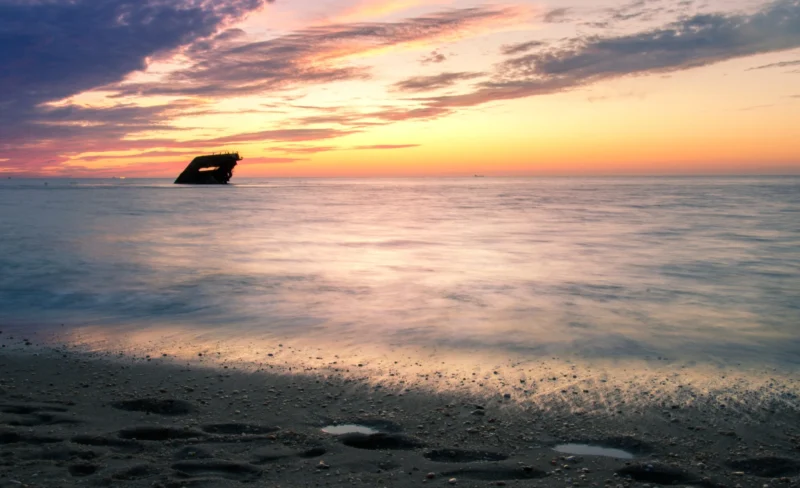
The period just before sunset, commonly known as “golden hour,” also lasts longer during late June and is popular with photographers and beachgoers.
Enjoy it while it lasts
While summer officially begins with the solstice, daylight will begin shrinking immediately afterward, even as temperatures continue to rise through July and August.
For now, New Jersey is entering one of its brightest periods of the year, offering residents a brief window of maximum daylight before the gradual march toward shorter autumn days begins.