The latest fare hike is part of an automatic annual increase approved by the NJ Transit Board as the agency continues to address budget pressures and lower-than-expected ridership recovery.
NJ Transit riders will see fares increase by 3% beginning July 1, marking the second consecutive year of systemwide fare hikes and the first annual adjustment under a policy approved by the agency’s Board of Directors.
The increase follows a 15% systemwide fare hike that took effect on July 1, 2024. Under the board-approved policy, fares will automatically increase by 3% every July 1 unless modified by future board action.
For commuters already dealing with rising costs across New Jersey, the increase means higher prices on rail tickets, bus fares, light rail trips, and monthly passes.
Fare hikes tied to budget challenges
NJ Transit officials have cited ongoing financial pressures as the primary reason for the fare increases.
According to agency budget documents, ridership has recovered to approximately 80% of pre-pandemic levels. While many peak-period trains and buses have returned to or exceeded pre-COVID passenger counts, overall ridership remains below 2019 levels.
The agency said that reduced ridership has resulted in nearly $2 billion in lost fare revenue since the onset of the COVID-19 pandemic.
NJ Transit also warned that federal pandemic relief funding used to support operations has been exhausted, creating additional pressure on the agency’s finances.
“The COVID pandemic exacerbated the agency’s structural funding deficit that has existed since NJ Transit was created more than 40 years ago,” the agency said during its FY25 budget process.
Rising costs continue to pressure agency
Beyond reduced fare revenue, NJ Transit has pointed to several significant cost increases affecting its operating budget.
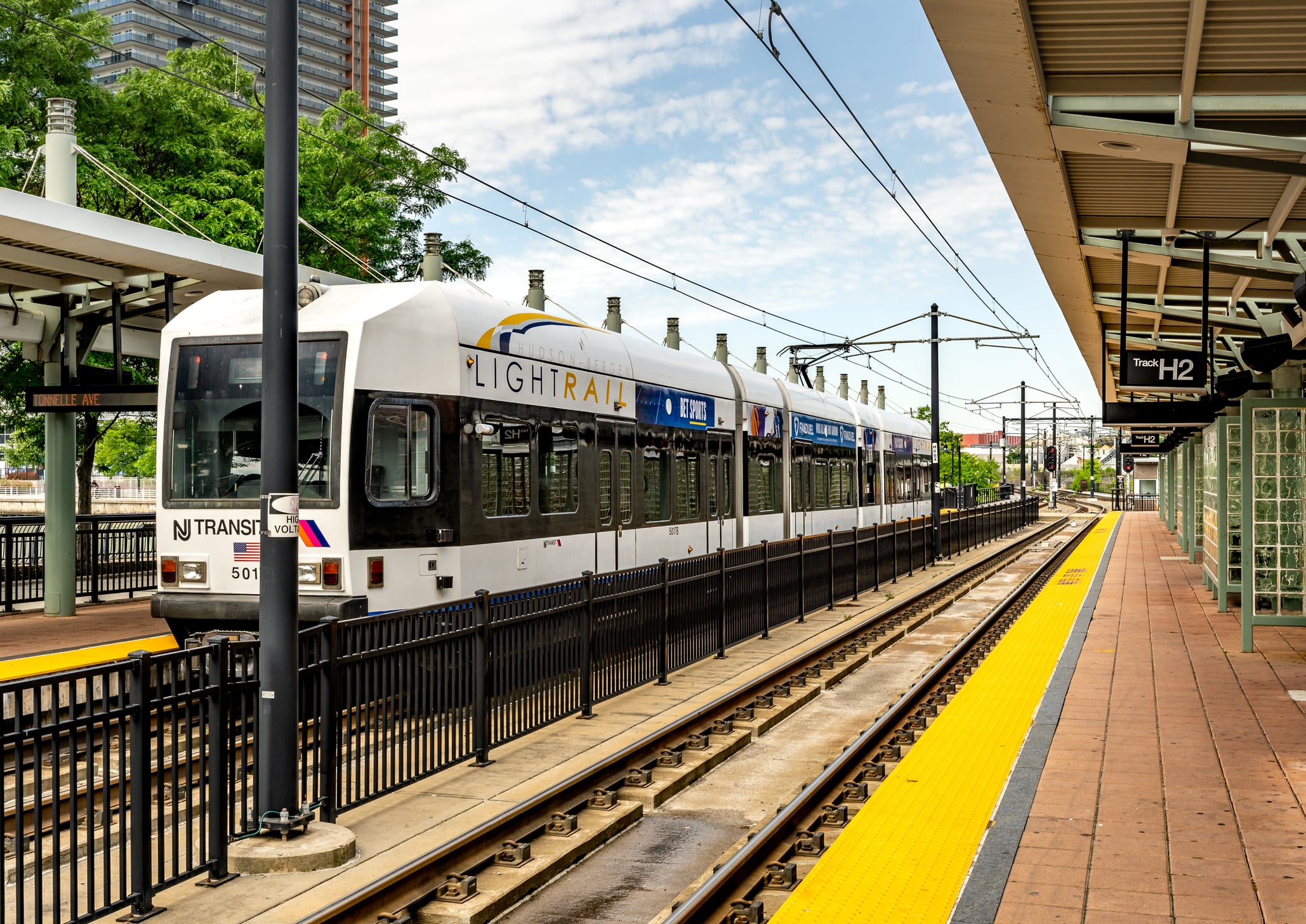
Among the expenses identified by the agency are more than $30 million in emergency bus service costs to replace routes abandoned by private carriers. NJ Transit also cited rising costs for Access Link paratransit service, contracts associated with the River LINE and Hudson-Bergen Light Rail systems, labor agreements covering approximately 10,000 employees, and healthcare costs that have increased nearly 47% since 2015.
The agency implemented internal cost-cutting measures and revenue enhancements before approving the fare increases, but officials said those efforts alone were not enough to eliminate the projected budget deficit.
Increase arrives after busy World Cup period
The July 1 increase comes as NJ Transit wraps up one of the busiest periods in its recent history, with thousands of soccer fans relying on the agency to travel to and from FIFA World Cup matches at MetLife Stadium in East Rutherford.
The agency has promoted its role in transporting visitors during the tournament, though recent service disruptions and delays have drawn criticism from some riders.
Following a match this week, NJ Transit reported delays tied to congestion and an Amtrak switch issue near Secaucus. Some New York-bound trains were temporarily terminated at Newark stations, forcing passengers to continue their trips using PATH service.
Despite those challenges, officials have maintained that the fare increases are necessary to preserve service levels and avoid deeper budget problems.
What riders can expect
Beginning July 1, fares across NJ Transit’s rail, bus, and light rail networks will increase by approximately 3%.
The adjustment is part of an ongoing annual increase schedule approved by the board as part of the agency’s long-term financial plan.
Unless changed by future action, another 3% increase is scheduled to take effect on July 1 of next year.
Key Points
• NJ Transit fares will increase 3% systemwide on July 1.
• The increase follows a 15% fare hike implemented in July 2024.
• NJ Transit says it has lost nearly $2 billion in fare revenue since the pandemic.
• Rising operating costs, including Access Link service, labor contracts, and healthcare expenses, continue to pressure the agency’s budget.
• Annual 3% fare increases are scheduled to continue each July under current board policy.