
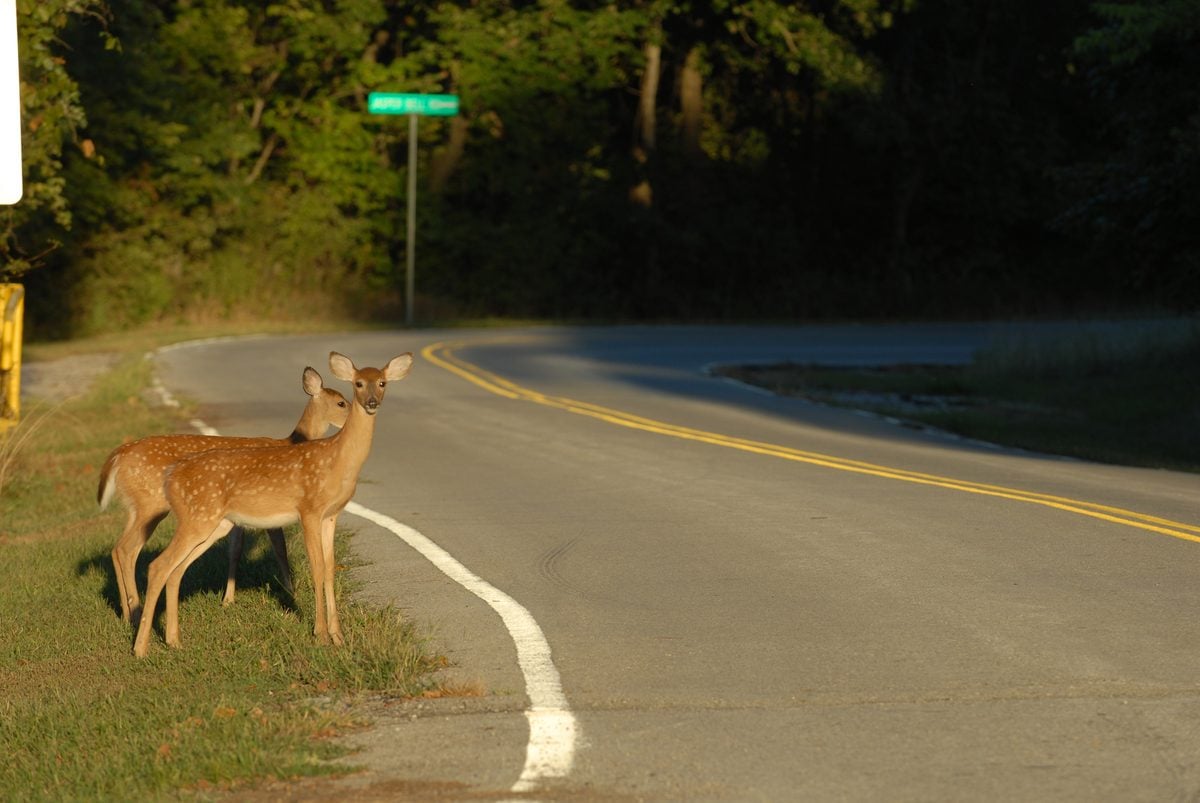
New Jersey Fish & Wildlife is urging motorists to slow down and stay alert as white-tailed deer become more active during fall mating season, increasing the risk of roadway collisions.
NEW JERSEY — Drivers across the state are being warned to keep an especially close eye on roadsides as the fall white-tailed deer rut gets underway.
New Jersey Fish & Wildlife said deer activity increases during mating season as bucks pursue does, creating a greater chance that animals will suddenly enter roadways.
The risk is particularly high during the early morning and around sunset, when deer are most active and visibility can be reduced by darkness or sun glare.
Peak Deer Season Runs Into December
Peak mating season for deer in New Jersey generally runs from late October through mid-December.
Officials said the danger becomes even more pronounced when daylight saving time ends at 2 a.m. Sunday, Nov. 2, placing more morning and evening commutes during periods when deer are active and lighting conditions are more difficult.
Drivers should be particularly cautious in areas marked with deer-crossing signs and along wooded roads where animals are more likely to emerge with little warning.
If You See One Deer, Expect More
Wildlife officials said motorists who spot one deer should assume others may be nearby.
Drivers are advised to slow down, avoid tailgating and use high beams when appropriate if there is no oncoming traffic or vehicle directly ahead.
If a deer is standing in the roadway, officials recommend waiting for it to move rather than attempting to drive around it.
Don’t Swerve if a Crash Is Unavoidable
One of the most important recommendations is to avoid swerving if a collision appears unavoidable.
Officials warned that swerving can lead to a more serious crash with oncoming traffic, a tree, utility pole or another fixed object.
Drivers should brake appropriately, remain in their lane and keep control of the vehicle.
Any deer-vehicle collision should be reported to local law enforcement.
Motorists are also reminded to wear seat belts, obey speed limits and comply with New Jersey’s hands-free driving law.