
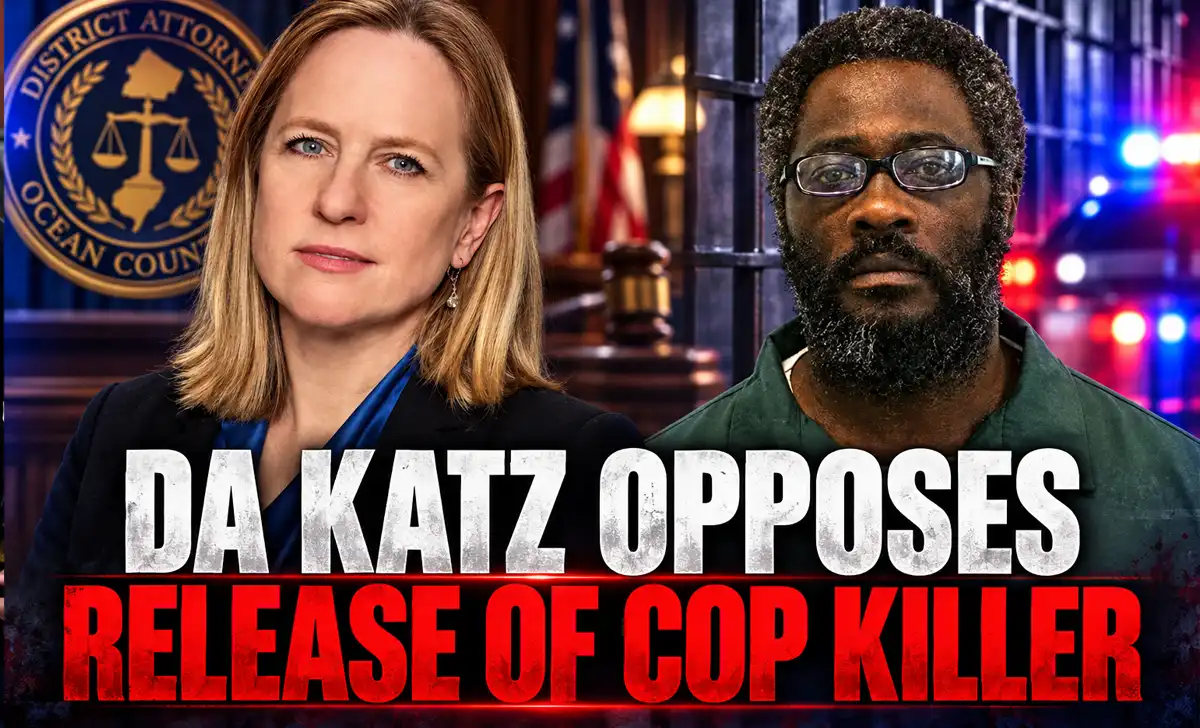
District Attorney Melinda Katz is again opposing parole for David McClary, who admitted in 2025 that he fired the shots that killed rookie NYPD Officer Edward Byrne in Queens in 1988.
QUEENS, N.Y. — Queens District Attorney Melinda Katz is urging the New York State Board of Parole to deny release to David McClary, the man convicted in the 1988 killing of rookie NYPD Officer Edward Byrne as the officer guarded the home of a witness in a drug case.
McClary is scheduled to appear before the parole board during the week of Oct. 19, according to the Queens District Attorney’s Office.
“Nearly six years have passed since I wrote my initial letter in opposition to David McClary’s release and my position has not wavered,” Katz said.
“This execution was nothing short of an act of domestic terrorism designed to challenge the long established and universally accepted laws of civilized society,” she said. “He should remain behind bars where he belongs.”
Byrne Was Guarding a Witness When He Was Ambushed
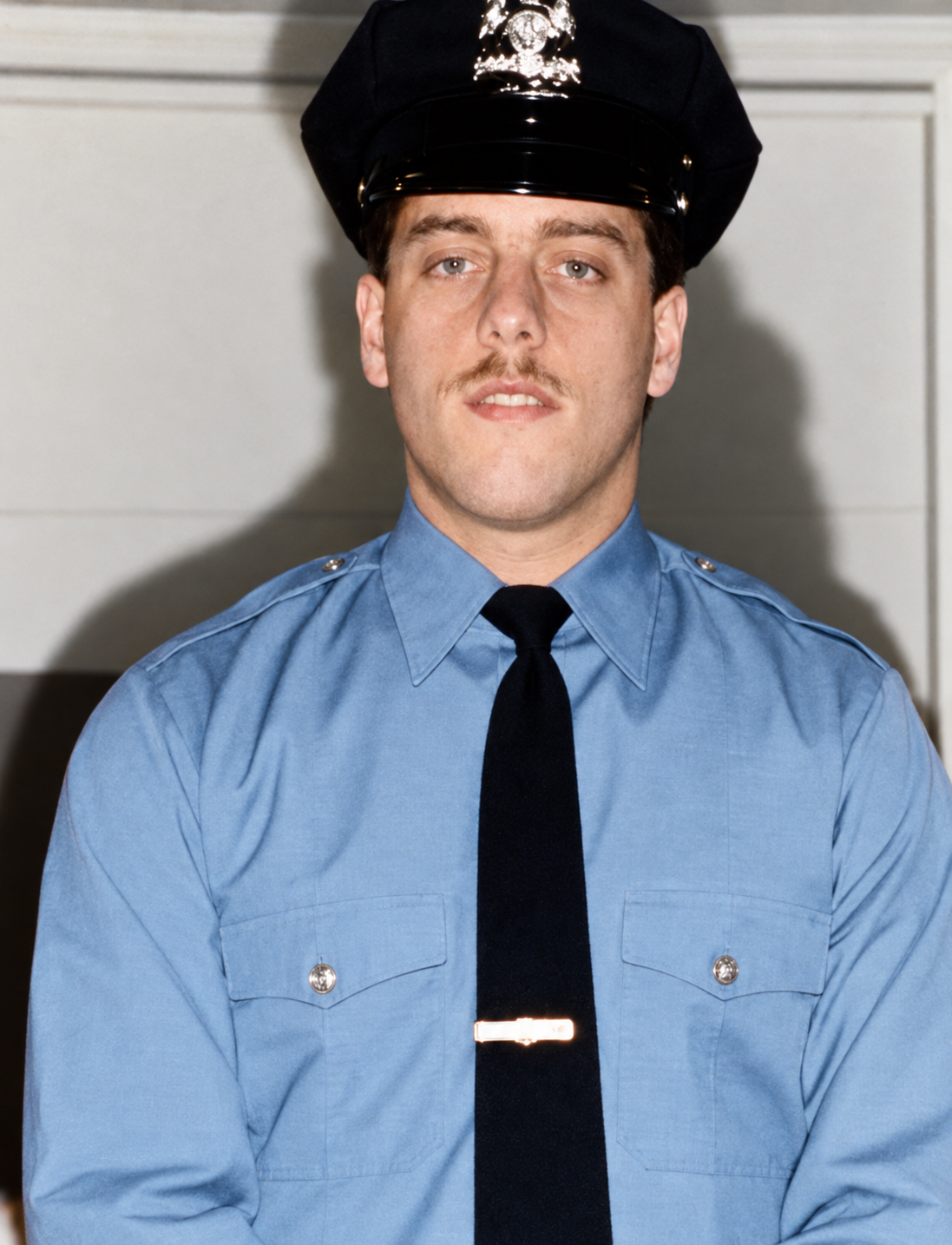
Byrne was on duty on the night of Feb. 26, 1988, stationed outside the South Jamaica home of a witness who had received threats from drug dealers he was expected to testify against.
As the 22-year-old officer sat alone in his marked patrol car, prosecutors said Todd Scott approached the passenger-side window to distract him.
McClary then approached from the driver’s side and fired five shots at close range, killing Byrne.
The murder became one of the most notorious NYPD line-of-duty killings of the era and a defining case in New York City’s fight against violent drug organizations.
McClary Convicted in 1989
A jury convicted McClary in June 1989 of second-degree murder and second-degree criminal possession of a weapon.
He received an indeterminate sentence of 25 years to life for the murder, along with a five-to-15-year term on the weapons conviction.
Prosecutors said the killing was orchestrated by Phillip Copeland at the direction of drug trafficker Howard “Pappy” Mason.
Copeland recruited McClary, Scott and Scott Cobb to kill Byrne. All three men were convicted of murder. Cobb was granted parole in 2023.
The case remains part of a long-running chapter in New York crime history involving attacks on police officers and witnesses cooperating with law enforcement.
McClary Admitted Being Shooter Decades Later
McClary denied or minimized his role in Byrne’s murder for years after his conviction.
That changed during a July 2025 parole hearing, when, according to Katz’s office, McClary acknowledged that he was the shooter.
The parole board denied his release following that hearing.
New York State parole records show McClary is serving a 25-years-to-life sentence for second-degree murder and a related weapons conviction.
Katz has repeatedly opposed his release.
“McClary and his accomplices killed an on-duty police officer in an attempt to disrupt the safety of our city on the most fundamental level,” Katz said in her latest appeal to the board.
Parole Hearing Set for Week of Oct. 19
McClary will again become eligible for consideration when the parole board takes up his case later this month.
Katz’s letter asks the board to keep him incarcerated, more than 38 years after Byrne’s killing.
The decision will rest with the New York State Board of Parole under the state’s parole review process.
The case continues to resonate in Queens and throughout the city’s law enforcement community, where Byrne’s killing remains associated with the dangers faced by officers protecting witnesses from retaliation.