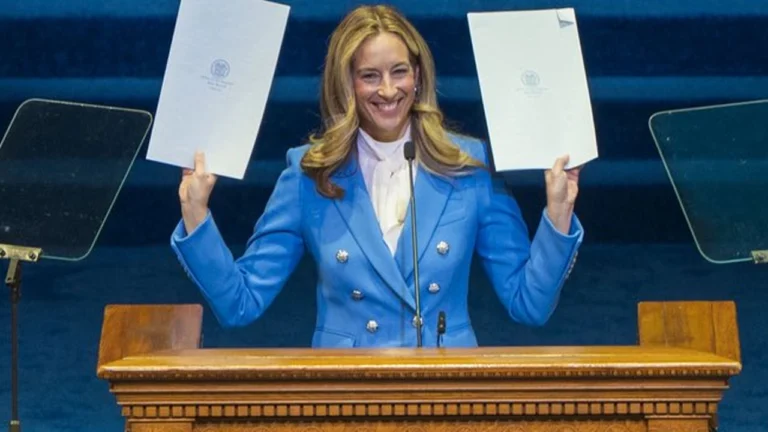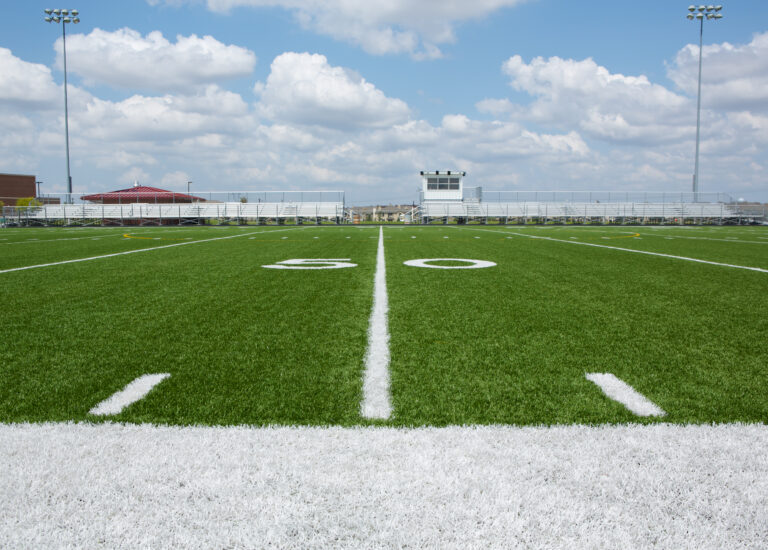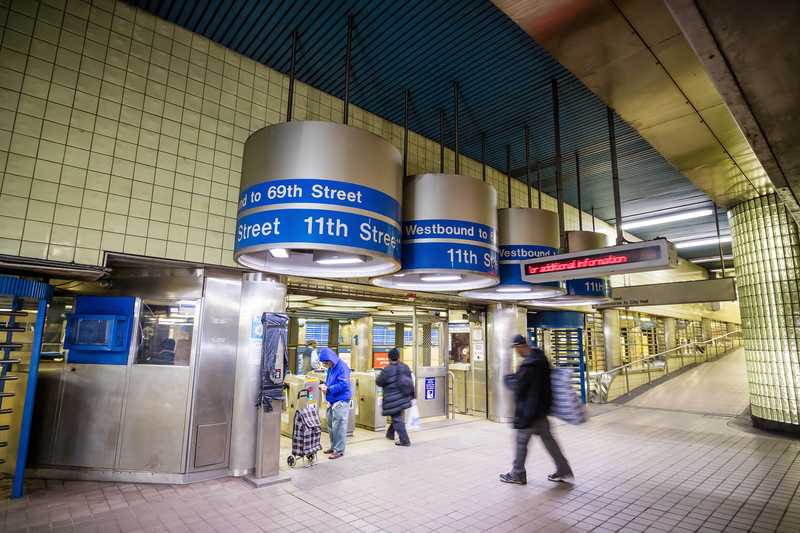
PHILADELPHIA, Pa. — Fans leaving 2026 World Cup matches at Lincoln Financial Field will ride home for free on the Broad Street Line under a new SEPTA plan backed by a state-supported partnership, Governor Josh Shapiro announced.
The policy creates a clear split: free subway service after games, while standard $2.90 fares remain in place for travel to the stadium, according to details shared by Shapiro’s office and SEPTA.
A different approach to game-day travel
Philadelphia’s transit strategy stands out against sharply higher event pricing in other host regions. While cities like Boston and New York have drawn criticism for steep transportation costs tied to major events, Pennsylvania leaders say they deliberately avoided surge pricing models.
Instead, SEPTA will absorb the increased operating demand with support from a federal grant and a partnership involving Airbnb. The goal, state officials say, is to keep post-match travel safe, efficient, and accessible for tens of thousands of fans expected to leave the South Philadelphia sports complex at once.
The Broad Street Line, which directly connects Lincoln Financial Field to Center City and other parts of Philadelphia, is expected to serve as the primary transit artery for departing crowds.
Cost gap with other World Cup host regions
The pricing difference is stark. New Jersey Transit, serving matches at MetLife Stadium, plans to charge as much as $150 for a round-trip train ride during the tournament. In comparison, Philadelphia’s outbound fare remains at $2.90, with the return trip free for subway riders leaving the stadium area.
State officials framed the decision as both a public safety measure and a fan experience priority. By removing cost barriers after matches—when crowds are largest and demand peaks—transit agencies aim to reduce congestion, prevent unsafe travel alternatives, and keep foot traffic moving efficiently away from the stadium complex.
—
Key Points
• SEPTA will provide free Broad Street Line rides after World Cup matches at Lincoln Financial Field
• Fans traveling to matches will still pay the standard $2.90 fare
• Philadelphia avoided surge pricing seen in other regions, using federal support to offset costs
—
Managing crowds and expectations
The free post-game rides apply specifically to the Broad Street Line from the stadium area, which serves as the main rapid transit route for large events in South Philadelphia. SEPTA regularly uses the line to handle Eagles games and other major gatherings, but World Cup attendance is expected to bring significantly higher and more global crowds.
By keeping inbound fares unchanged, SEPTA maintains normal system operations earlier in the day while concentrating resources on the post-game surge window. That balance allows the agency to manage demand without introducing complex pricing tiers or reservation systems that could slow down boarding.
The approach also reflects lessons learned from other large-scale events, where high transportation costs have led to public backlash and logistical complications.
Why it matters for Philadelphia
Hosting World Cup matches places Philadelphia on a global stage, with hundreds of thousands of visitors expected across multiple game days. Transportation logistics often become one of the most visible—and criticized—aspects of host city planning.
By offering free outbound transit, the city positions itself as more accessible and fan-friendly, which could influence both visitor satisfaction and broader tourism perception.
The decision also aligns with broader efforts to encourage public transit use over car travel during the tournament. Limited parking around Lincoln Financial Field and increased traffic volume make rail service a critical component of crowd management.
What happens next
Officials have not yet released detailed schedules or capacity plans for the Broad Street Line during match days, but SEPTA is expected to increase service frequency and staffing to handle peak demand after games.
Additional coordination with city agencies, law enforcement, and event organizers will likely shape final operational details as the tournament approaches.
For now, the policy sets a clear expectation: fans attending World Cup matches in Philadelphia will not face inflated transit costs when leaving the stadium.
The current plan remains in place as part of Philadelphia’s confirmed transportation strategy for the 2026 FIFA World Cup, with SEPTA and state officials continuing preparations ahead of the event.