
Key Points
- Boston Police warn of skimming devices stealing card data at ATMs and retail locations.
- Criminals hide pinhole cameras and plastic overlays to capture PINs and card details.
- BPD issues safety tips including use of secure ATMs, card monitoring, and contactless payments.
BOSTON, MA — The Boston Police Department on Monday issued a public alert warning residents about an ongoing threat involving skimming devices at ATMs and retail point-of-sale terminals across the city.
Skimming occurs when criminals install hidden devices designed to steal debit or credit card data from unsuspecting users. The devices are typically placed on card readers at pharmacies, gas stations, and grocery stores, where they can capture card information through magnetic stripes or chips.
According to the BPD, some of these setups include concealed “pinhole cameras” aimed at recording PIN entries. Others involve plastic overlays made to resemble authentic card readers and keypads, which collect both card details and PINs when customers attempt transactions.
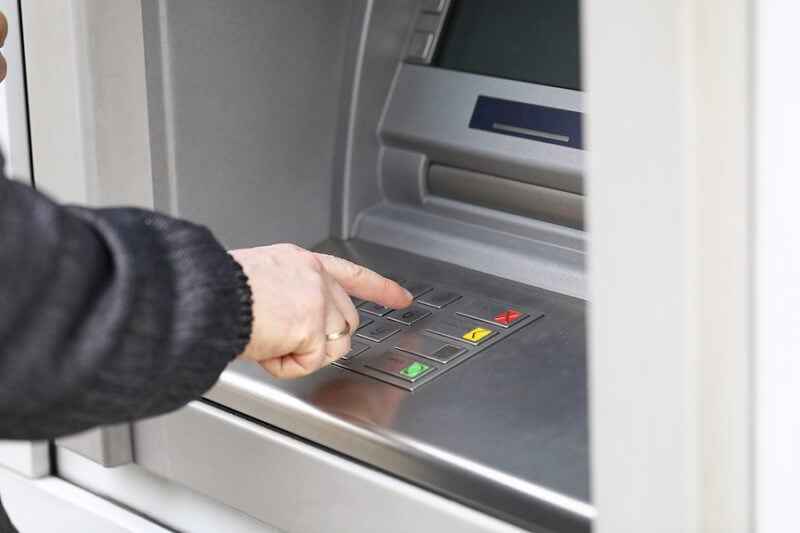
The BPD recommends using ATMs located inside financial institutions or those equipped with security features, such as cameras or drive-up windows. Users are also urged to inspect payment terminals for loose or mismatched parts, shield keypads while entering PINs, and avoid devices that show any signs of tampering.
“Criminals can hide skimming devices inside ATM card readers, making them hard to detect.”
Officials advise using credit cards instead of debit cards when possible, enrolling in text or email fraud alerts, and opting for cards with contactless payment or EMV chips, especially in cases involving Electronic Benefit Transfer (EBT) cards, which are frequently targeted.
In the event of suspected fraud, individuals should immediately report the incident to their card issuer, deactivate the compromised card, request a replacement, and file a report with law enforcement if financial loss occurs.
Card skimming remains a fast-evolving threat, as offenders continuously modify tactics to bypass security measures.