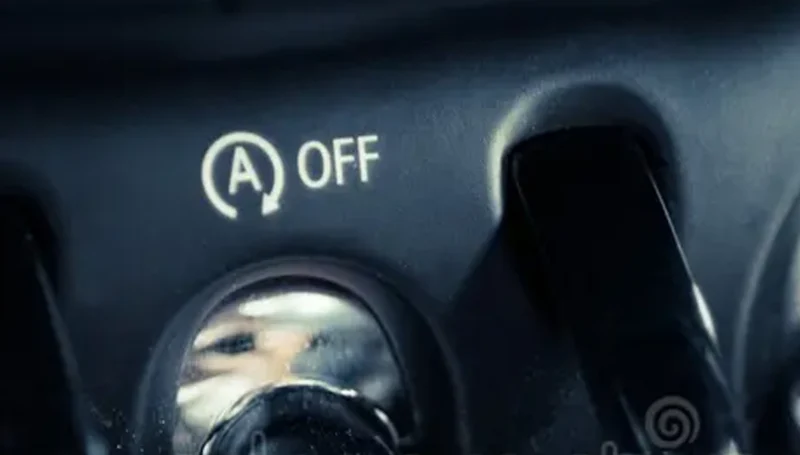
Washington, D.C. — The feature that kills your engine at every red light just got dragged into federal policy, after President Donald Trump moved to roll back regulations tied to auto efficiency—taking direct aim at the widely disliked start-stop system.
“It unnecessarily turns off your engine at a red light and every time you stop,” Trump said, blasting the technology that has become standard in millions of vehicles.
The move doesn’t ban the feature outright—but it strikes at the rules that helped make it nearly unavoidable for drivers over the past decade.
“Nobody wanted it,” Trump said about the green energy regulations on U.S. vehicles.
The feature drivers love to hate
For years, start-stop systems have quietly frustrated drivers:
You stop → engine shuts off
Light turns green → engine jolts back on
Repeat. Every. Single. Drive.
While designed to save fuel, many drivers say the tradeoff isn’t worth it—citing lag, weaker AC at stops, and the need to manually shut it off every time they start the car.
Why it ended up in so many cars
Automakers didn’t add start-stop systems just for fun.
They became widespread because they were one of the easiest ways to squeeze out 3% to 10% better fuel economy, helping companies meet federal efficiency standards without redesigning entire engines.
Now that those rules are being rolled back, that incentive starts to disappear.
—
Key Points
• Trump targets regulations tied to start-stop systems in vehicles
• Feature shuts engines off at stops to improve fuel economy
• Automakers may now rethink whether to keep it standard
—
What this actually changes
This isn’t an instant switch-off for the feature.
Cars already on the road won’t change. And automakers don’t redesign vehicles overnight.
But going forward, manufacturers now have more freedom to ask a simple question:
Do drivers actually want this?
If the answer is no, the feature could quietly fade out of future models—or become optional instead of standard.
Bigger shift behind the move
The decision signals a broader policy change—moving away from strict efficiency targets and toward consumer choice.
Supporters argue it gives drivers more control.
Critics argue it could increase fuel use and emissions.
What happens next
Start-stop systems aren’t disappearing tomorrow—but for the first time in years, they’re no longer locked in by regulatory pressure.
And that means the next generation of cars might finally stop turning themselves off at every red light.