New Jersey has become a leader in environmental reform, but its recent moves to ban plastics, gas-powered leaf blowers, and other fuel-dependent equipment have drawn mixed reactions.
While the goals behind these initiatives—such as reducing pollution and protecting public health—are commendable, some of the bans seem overly aggressive and may not consider the full economic and practical implications.
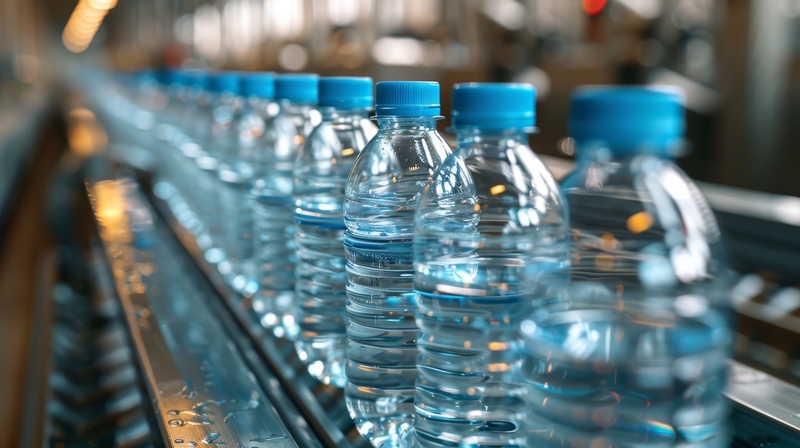
New Jersey may soon take its war on plastic to a whole new level by banning single-use plastic water bottles. The push, spearheaded by Assemblymember Joe Danielsen, is inspired by moves in Massachusetts towns that have already cracked down on this eco-foe.
In an interview with POLITICO, Danielsen said he’s reaching out to other lawmakers and environmental groups, exploring the possibility of introducing legislation to phase out single-use plastic bottles. This follows recent bans in New Jersey on plastic utensils, bags, and single-use condiment packages—part of an ongoing effort by Governor Phil Murphy and the state’s Democratic leaders to curb plastic waste.
Danielsen’s push comes at a time when sustainability measures are gaining momentum across the U.S. With growing concerns about plastic pollution, especially in oceans and waterways, New Jersey’s move might set a bigger trend across states. However, this proposal is still in the early stages, and conversations with colleagues and stakeholders are ongoing.
First, it was plastic straws and bags. Then, it was plastic utensils. That was followed by single-use condiment packages, gas-powered cars, and gas-powered leaf blowers, and they’re now even considering banning your gas-powered stoves and heaters!
When will it end?
Take the proposed ban on gas-powered leaf blowers, for example. The legislation targets the high levels of pollutants these machines emit, but landscapers and homeowners argue that the alternatives are expensive and less effective. Electric leaf blowers, though quieter and cleaner, don’t pack the same punch.
A typical gas blower can clear leaves in 20 minutes, whereas an electric one can take twice as long, all while running through multiple battery charges.
For landscaping businesses, this could mean spending upwards of $79,000 on equipment, not to mention the additional costs for batteries and chargers. Ultimately, those costs will likely be passed on to consumers, raising questions about whether this trade-off is worth it.
Similarly, while bans on plastic bags and single-use condiment packages have reduced plastic waste, the proposed ban on plastic water bottles might seem like a step too far for many residents.
Bottled water is a convenient option for people on the go, and while reusable bottles are an eco-friendly alternative, they’re not always practical in every situation. Critics of these bans argue that the state overlooks convenience and affordability in its rush to lead the green charge.
These initiatives are undoubtedly making strides toward a more sustainable future. But with mounting concerns over the economic impact on small businesses and everyday consumers, New Jersey’s approach could benefit from a little more balance between environmental ambition and practicality.