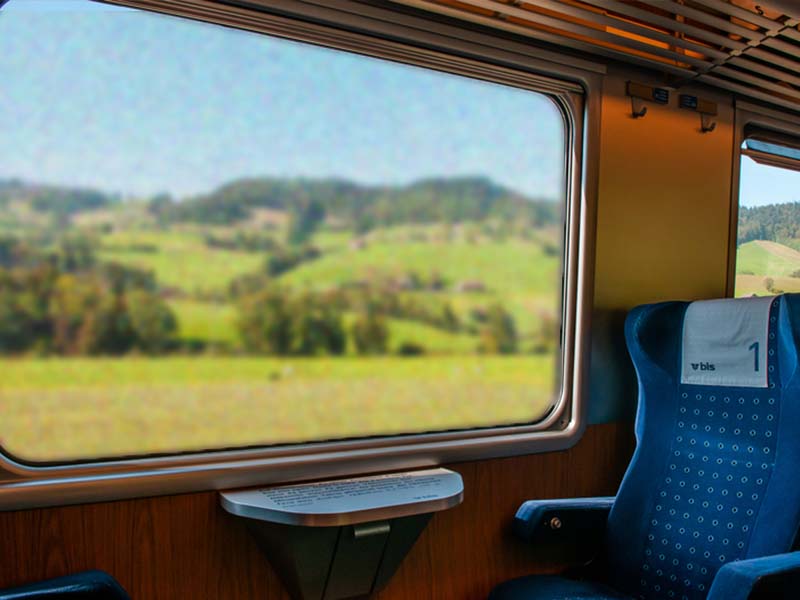
If you’ve ever tried to catch a glimpse of the scenic New Jersey landscape from an NJ Transit train, you might’ve felt like you were staring through frosted glass. That’s because, well, you kind of were. Commuters have been airing their grievances on social media for ages about the foggy windows that make seeing out nearly impossible. NJ Transit’s multilevel cars, introduced between 2006 and 2012, are the worst offenders, leaving riders feeling boxed in and, frankly, a little annoyed. Here’s what’s been going on—and what’s finally changing.
It’s Not Dirt—It’s Science (And Maybe a Little Chemistry Mishap)
So, what’s causing this cloudy mess? Spoiler alert: it’s not just a bad cleaning job. The root of the issue lies in the type of window material used. NJ Transit’s cars are fitted with polycarbonate windows, which are great at withstanding impact (like flying rocks or potential accidents). But over time, sunlight, UV rays, and extreme temperature shifts cause these windows to haze up. This process deteriorates a special protective layer on the glass, scattering light and giving it that opaque appearance.
Adding insult to injury, NJ Transit admitted that a cleaning chemical they used might have exacerbated the problem. Yep, they tried to help and might’ve made things worse.
Tried and Tested, But Still Hazy
In an effort to tackle the issue, NJ Transit initially attempted various restoration techniques. They hand-washed the cars, reached out to window manufacturers, and even collaborated with a team of researchers from Rutgers. Rutgers’ researchers dove deep, analyzing the affected windows and identifying that the breakdown of the protective coating was the culprit. They suggested a potential chemical wash solution, but it turned out that replacing the windows would be a more cost-effective fix.
Clearer Skies (or Windows) Ahead
NJ Transit has set aside $8 million to replace the windows on 429 of its bilevel cars. They plan to swap them out during routine maintenance, so the work won’t cause major service interruptions. The new windows should last longer and hold up against the relentless environmental factors better than the old ones, or so we hope.
But why should riders care? For one, clearer windows mean a better experience for commuters who like to relax and take in the view—or at least know what station they’re at without relying solely on muffled announcements.
The Bottom Line
This clouded window fiasco might seem like a small issue in the grand scheme of transit woes, but it’s a big deal for passengers. It’s not just about the views; it’s about comfort and safety. And at the end of the day, commuters paying for their ride should get something more than just a foggy mess when they look outside. With replacements already underway, it looks like a clearer future is finally on track.