


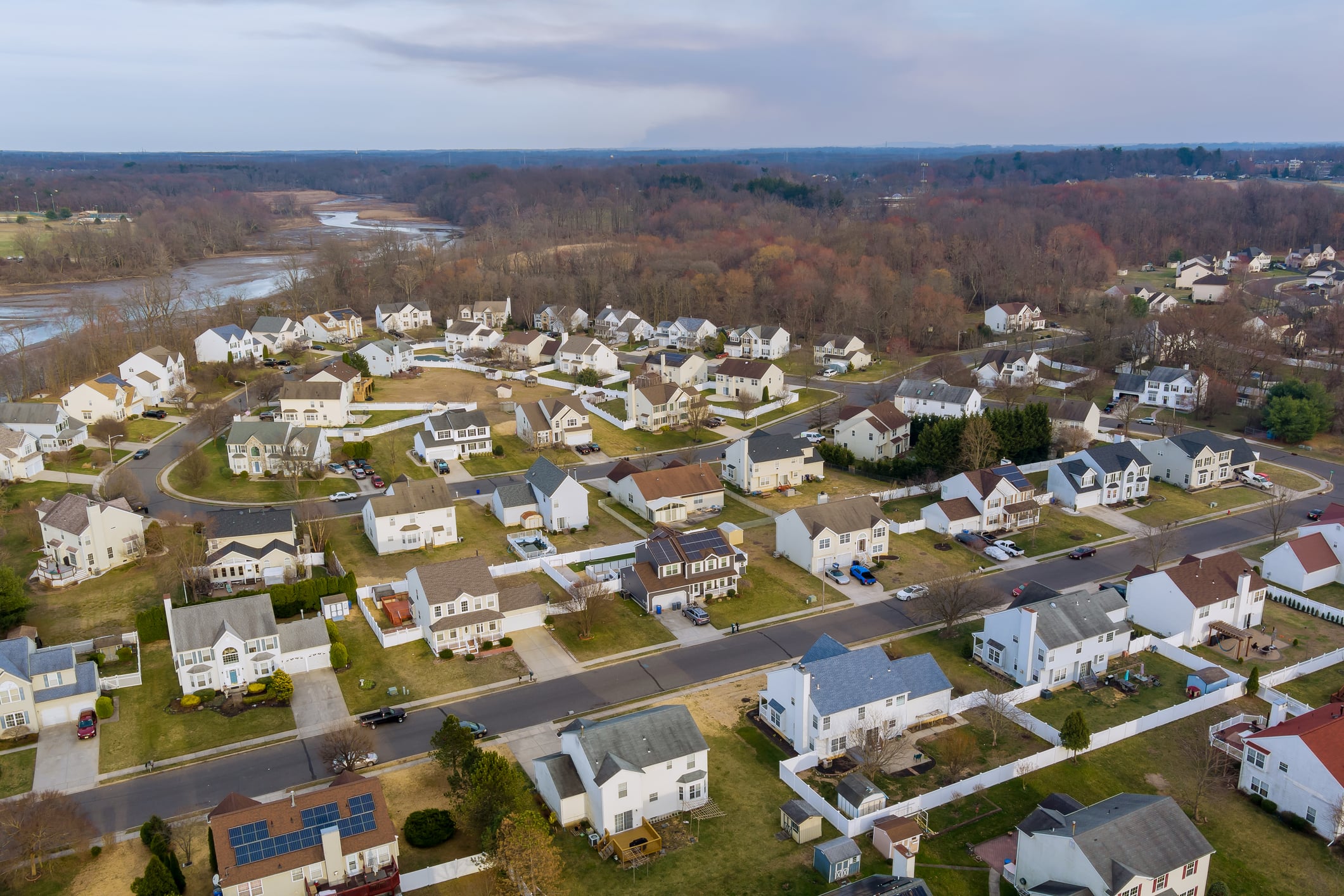
For generations, New Jersey represented the promise of the American Dream—a good job, a starter home, quality schools, safe neighborhoods, and the opportunity to build wealth through homeownership. Today, that dream is slipping further out of reach for many young families as nearly every major household expense continues to rise.
Buying a home in New Jersey has become one of the biggest financial hurdles facing millennials and Generation Z. Home prices remain near record highs while mortgage rates continue to make monthly payments significantly more expensive than they were just a few years ago. At the same time, a shortage of available homes means first-time buyers often find themselves competing in bidding wars with investors, cash buyers, and homeowners bringing substantial equity from previous sales. The Northeast continues to experience some of the nation’s tightest housing inventory, keeping prices elevated despite higher borrowing costs.
The challenge extends far beyond the purchase price.
New Jersey consistently ranks among the most expensive states for homeownership because the mortgage payment is only the beginning. Property taxes remain among the highest in America, homeowners insurance premiums have climbed steadily, maintenance costs continue to rise, and routine repairs cost more each year. Financial planners increasingly warn prospective buyers that taxes, insurance, utilities, and maintenance can add well over $1,000 per month beyond the mortgage payment itself.
Electricity has become another major source of financial strain.
Over the past several years, residential electricity prices have increased sharply, leaving many families with utility bills that consume a growing share of household income. State officials have acknowledged that wholesale electricity markets have driven substantial increases in power costs while announcing legislation intended to reduce future bills and provide ratepayer relief. Even with those efforts, many homeowners continue to feel the impact of higher monthly energy costs.
For young couples hoping to start a family, the numbers often don’t add up.
A first-time homebuyer may qualify for a mortgage on paper, but once property taxes, insurance, electricity, natural gas, internet service, childcare, groceries, commuting costs, student loans, and healthcare expenses are factored into a monthly budget, the margin for financial stability quickly disappears. Many prospective buyers find themselves delaying marriage, postponing children, or remaining renters longer than they had planned.
The shortage of homes available for sale has only intensified the problem.
New Jersey continues to face a housing inventory crisis that has developed over many years. Population growth, restrictive zoning in some communities, limited new construction, and sustained demand have all contributed to a market where there are simply not enough homes available for people who want to buy them. State officials from both parties have increasingly acknowledged that expanding the housing supply will be necessary to improve long-term affordability.
The affordability crisis is also changing where young people choose to live.
Many recent college graduates and young professionals are leaving New Jersey for states where housing costs, taxes, and utility bills are lower. Others continue living with parents while saving for down payments that seem to grow larger every year as home prices continue climbing faster than wages.
Those who already own homes are not immune from the financial pressure.
Many homeowners who purchased properties years ago with historically low mortgage rates say the cost of simply owning a home continues to rise through higher tax bills, insurance premiums, utility costs, homeowners association fees, and maintenance expenses. Even households with affordable mortgage payments are finding that the total cost of homeownership increases year after year.
Making New Jersey more affordable has become one of the defining policy issues facing state leaders.
While elected officials disagree on the best solutions, there is broad recognition that housing affordability, rising utility costs, property taxes, and the lack of available homes have combined to make it increasingly difficult for young families to achieve the same milestones that previous generations once considered attainable.
For many New Jersey residents, the American Dream has not disappeared—but it now comes with a price tag that fewer families can afford.
 Events and Festivals
Farmers Markets Bloom Across New Jersey as September Harvest Season Arrives
Shore News Network Business News
Maryland Holds Hearing Tonight on Perdue AgriBusiness Water Discharge Permit
Shore News Network Business News
NJ Gas Prices Surge Past $4 a Gallon — Here’s What Commuters Are Spending
Shore News Network Breaking
