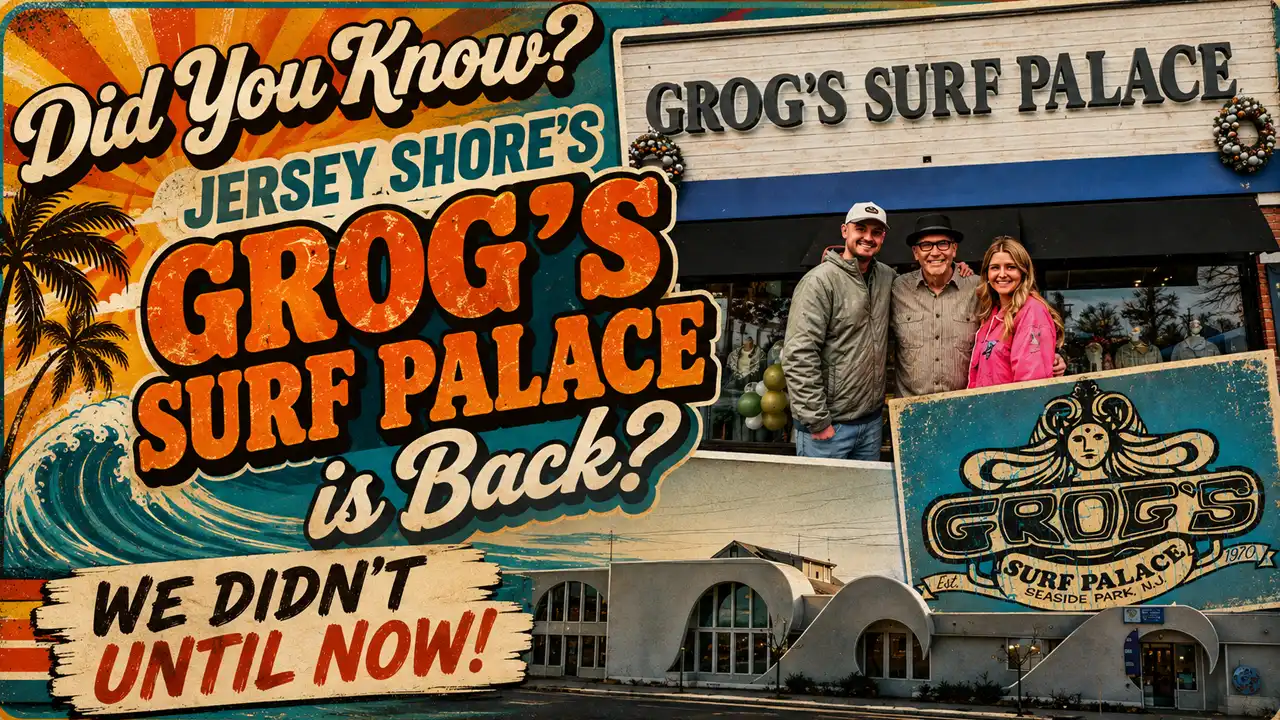
SHREWSBURY, N.J. — Sometimes the biggest stories happen without anyone noticing. If you grew up at the Jersey Shore in the 70s, 80s, and 90s, then you probably, at one point, wore Grog’s merch. We all did. Sure, Ocean Pacific was cool, but sporting Grog’s merch at school was a sign that you got what growing up at the Jersey Shore meant to all of us.
The beach, the surf, the boardwalk, and fun times.
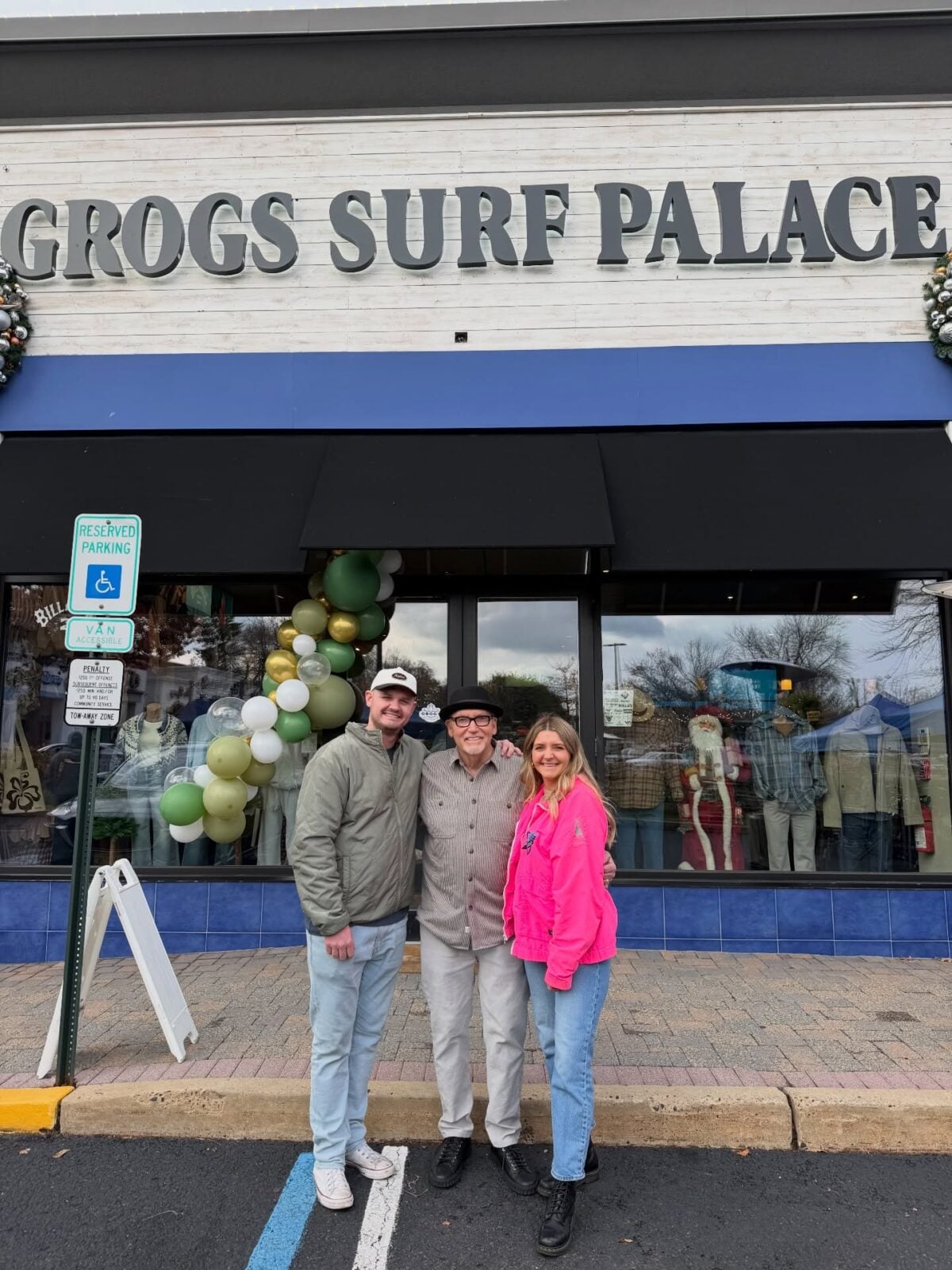
Last year, the longtime Billabong NJ surf shop in Shrewsbury quietly completed its transition back to the historic Grog’s Surf Palace name. There were no major press releases, ribbon cuttings or fanfare, yet the move restored one of the most iconic brands in New Jersey surfing history and one whose influence stretched far beyond the beaches of Seaside Park and Seaside Heights.
- Grog’s Surf Palace has officially returned at the former Billabong NJ location in Shrewsbury.
- The original shop was founded around 1970 by Greg “Grog” Mesanko in Seaside Park.
- Mesanko helped launch professional surfing on the East Coast and is a member of both the New Jersey Surfing Hall of Fame and East Coast Surfing Hall of Fame.
For longtime surfers, Grog’s wasn’t simply another surf shop. It was where boards were bought, friendships were formed, surf forecasts were debated and generations of Jersey Shore surfers learned about the sport from people who had helped shape it. While many surf retailers have come and gone over the decades, few became institutions in the way Grog’s did.
A surf shop born during surfing’s golden age
When Greg Mesanko opened Grog’s Surf Palace around 1970 in Seaside Park, surfing along the Jersey Shore was still a relatively tight-knit community. California and Hawaii dominated the sport’s image, while New Jersey surfers were building their own identity along beaches that were becoming increasingly recognized for producing quality waves.
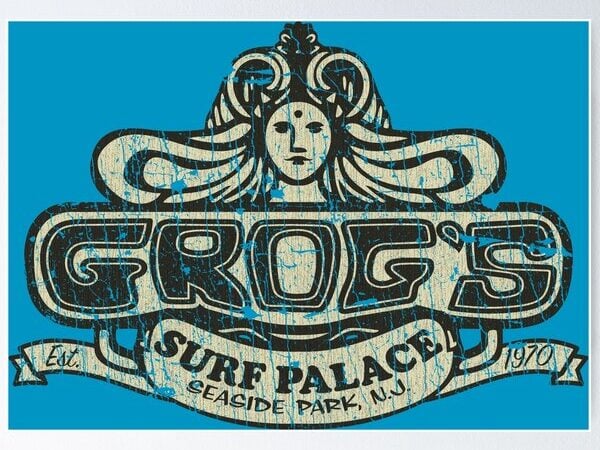
Mesanko, known simply as “Grog” to nearly everyone in the surfing community, understood that a surf shop could be much more than a place to sell equipment. His store quickly evolved into an unofficial headquarters for surfers throughout Ocean County and beyond, serving as equal parts surfboard showroom, clubhouse, repair shop and gathering place.
Located just minutes from the famous breaks around Casino Pier, Grog’s became the first stop before paddling out and the last stop after coming off the water. Local surfers gathered there to trade stories, inspect new boards, compare swell reports and meet visiting surfers from around the country.
Surfline later described Mesanko as one of the key figures responsible for connecting the relatively isolated Jersey Shore surfing scene with the rapidly growing national and international surf industry.
Building more than a business
The reputation of Grog’s Surf Palace wasn’t built through advertising. It was built through relationships.
Mesanko developed a reputation for knowing quality when he saw it and refusing to compromise. That reputation helped make Grog’s one of the East Coast’s premier surfboard retailers, attracting both established manufacturers and up-and-coming craftsmen hoping to earn shelf space inside the shop.
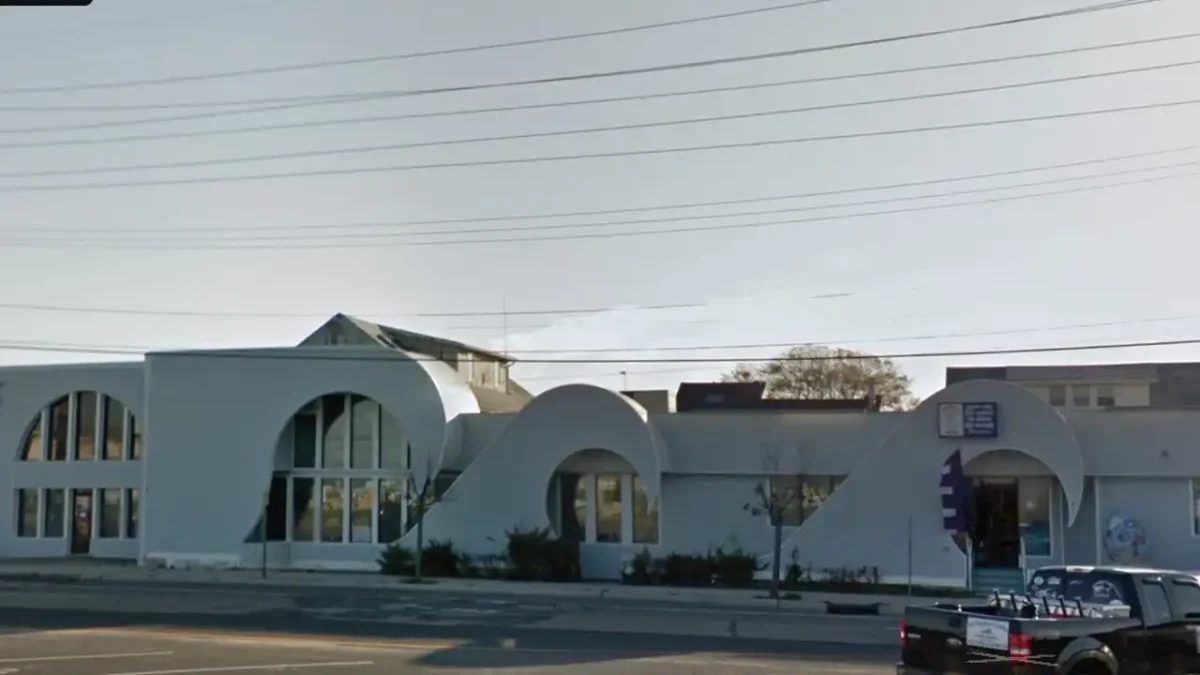
Legendary surfboard shaper Marty Bennett has recalled one of those early experiences with Mesanko. Eager to have his boards sold at Grog’s, Bennett presented his work only to be turned away because Mesanko didn’t think they were ready.
Rather than discouraging Bennett, the criticism motivated him to improve his designs and craftsmanship. Years later, Bennett credited that early rejection with helping shape his career, illustrating the respect many board builders had for Mesanko’s opinion.
Stories like Bennett’s became part of Grog’s folklore. Getting your boards into Grog’s meant something because customers trusted Mesanko’s judgment.
Putting New Jersey on the surfing map
Perhaps Greg Mesanko’s greatest contribution came not from inside the shop, but from what he organized outside of it.
During the 1970s, Mesanko launched the Grog’s Seaside Pro, one of the earliest professional surfing contests ever held on the East Coast. At a time when professional surfing was still heavily centered in California, Hawaii and Australia, the event demonstrated that New Jersey had waves—and surfers—worthy of national attention.
Filmmaker Catherine Brabec, whose work has documented the history of the Seaside surfing community, has credited Mesanko with helping organize the first professional surfing contests on the East Coast. Those competitions attracted elite surfers, industry sponsors and media attention that had rarely been directed toward New Jersey beaches.
Former world surfing champion Shaun Tomson has spoken extensively about Mesanko’s role during that era. Tomson remembered Grog’s Surf Palace as an exceptional surf shop filled with cutting-edge equipment and recalled Mesanko’s relentless efforts to promote surfing in New Jersey.
Tomson has also credited Mesanko with organizing a professional contest that ultimately brought both him and Australian surfing legend Wayne “Rabbit” Bartholomew onto the national television program Good Morning America. For surfing during the 1970s, appearing on mainstream television represented an extraordinary achievement and helped introduce millions of Americans to the emerging professional sport.
Casino Pier became a proving ground
The story of Grog’s cannot be separated from the beaches surrounding Seaside Heights and Seaside Park.
Casino Pier, known today primarily for its amusement rides and boardwalk attractions, developed into one of the East Coast’s most recognizable surf breaks. During the 1970s and 1980s, surfers from across the Northeast traveled to Ocean County hoping to ride its sandbars and challenge its powerful hurricane swells.
Mesanko belonged to the generation that transformed those local beaches into destinations respected throughout American surfing.
International surfing legends including Gerry Lopez, Mike Doyle, Shaun Tomson and Wayne Bartholomew all became connected to the broader story of surfing along the Jersey Shore, either through competitions or visits during that formative period. Grog’s Surf Palace often served as the common thread linking those visits together.
The surf shop became the first recommendation visiting surfers received and the place where locals gathered after spending hours in the lineup.
A second home for generations
For many young surfers, Grog’s became almost a second home.
Surfline’s remembrance of New Jersey surfer and board shaper Randy “Seed” Appleby described him as one of the many teenagers who spent countless hours inside Grog’s before eventually becoming one of the region’s respected craftsmen.
That pattern repeated itself over several decades.
Teenagers wandered into Grog’s hoping to learn more about surfing. Many eventually became accomplished competitors, board shapers, photographers, contest organizers and business owners themselves.
Unlike chain retailers focused primarily on sales, Grog’s invested in the local surfing community. New surfers received advice about equipment, ocean conditions and etiquette, while experienced surfers found a place where everyone spoke the same language.
The result was a community that extended far beyond the walls of the shop.
The family never left
Although the storefront evolved over the years, ownership never changed.
When Billabong’s licensing arrangement eventually gave way to the return of the Grog’s name, the Mesanko family emphasized that the business itself had always remained family-operated.
“We’re here to stay—we’re family run,” Danielle Mesanko said when discussing the transition.
Luke Mesanko explained that the change represented less of a new beginning than a return to the family’s roots.
“My dad has been doing this since the ’70s,” Luke said. “Me, my sister and brother have been running the store alongside him for a long time. So it’s just a change in the name for us.”
Those comments tell a clear story as to why longtime customers viewed the rebranding differently than a typical retail makeover. The people behind the counter remained the same. The experience remained the same. The only thing changing was the return of a name deeply embedded in Jersey Shore history.
A Hall of Fame legacy
Greg Mesanko’s contributions have since been recognized well beyond New Jersey.
He has been inducted into both the New Jersey Surfing Hall of Fame and the East Coast Surfing Hall of Fame, honors reserved for individuals whose impact extends beyond competitive success.
Those inductions recognize Mesanko not simply as a businessman, but as someone who fundamentally changed East Coast surfing by supporting young surfers, promoting professional competition and helping New Jersey earn national respect within the surfing industry.
His influence continues to be felt through the generations of surfers, board builders and shop owners who trace part of their own history back to Grog’s Surf Palace.
Why the return matters
For younger surfers discovering Grog’s for the first time, the name may simply represent another independently owned surf shop.
For thousands of longtime Jersey Shore residents, however, it represents something much deeper.
It recalls an era when surfing communities were smaller, local surf shops served as neighborhood gathering places, and a day at Casino Pier almost always included a stop at Grog’s before heading home.
As independent surf shops across the country continue disappearing amid changing retail trends, the return of Grog’s stands as a reminder that some brands endure because they were never simply brands in the first place.
They were communities.
More than half a century after Greg Mesanko first opened his doors in Seaside Park, that community is once again operating under the name that helped define Jersey Shore surfing.
FAQ
Where is Grog’s Surf Palace located today?
The business now operates from the former Billabong NJ location in Shrewsbury, where the Mesanko family completed its transition back to the historic Grog’s Surf Palace name.
Who founded Grog’s Surf Palace?
Greg “Grog” Mesanko founded the original shop around 1970 in Seaside Park and remains one of New Jersey’s most influential figures in surfing history.
Why is Grog’s considered so important?
Beyond selling surfboards, Grog’s Surf Palace helped build Jersey Shore surf culture, supported generations of surfers and board shapers, and played a major role in launching professional surfing on the East Coast through the Grog’s Seaside Pro.
Sources: Surfline historical archives; New Jersey Surfing Hall of Fame; East Coast Surfing Hall of Fame; Billabong NJ/Grog’s Surf Palace; public statements by Danielle Mesanko and Luke Mesanko.