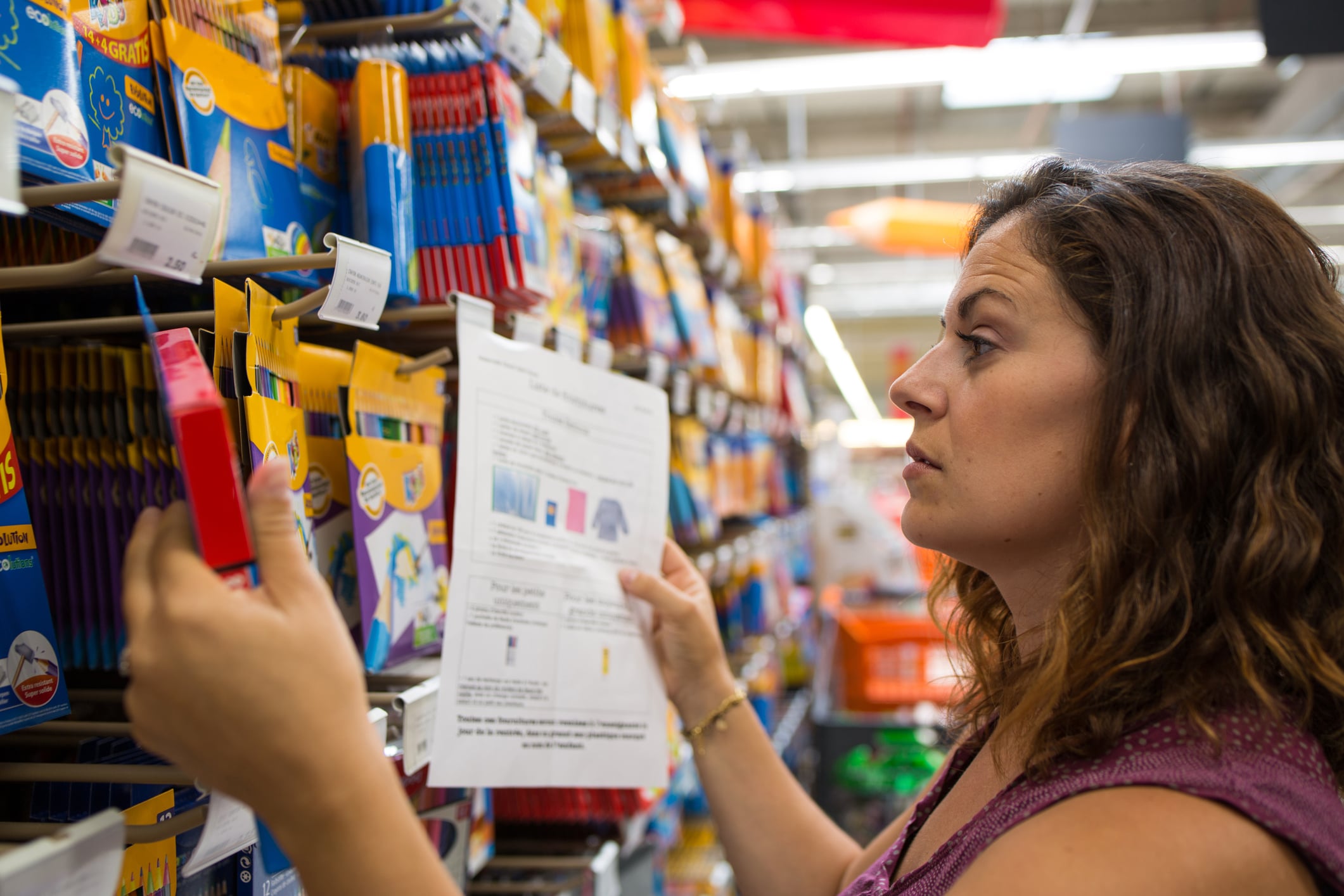
TRENTON, N.J. — For parents across New Jersey, getting children ready for another school year can feel less like a shopping trip and more like another household bill.
Backpacks, notebooks, pencils and calculators are only the beginning. Add sneakers, clothes, electronics and the supplies teachers ask families to send into classrooms, and the total can quickly reach hundreds of dollars per child.
This year, New Jersey families are again paying those costs without the state’s former back-to-school sales tax holiday, a short-lived affordability program that disappeared after just two years.
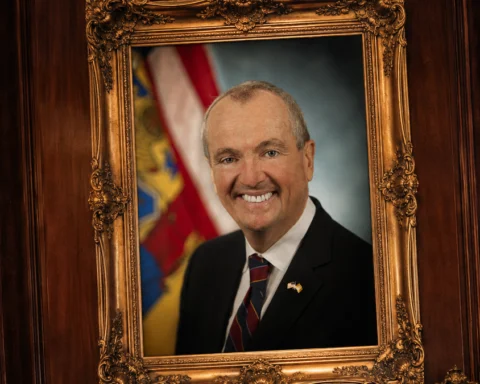
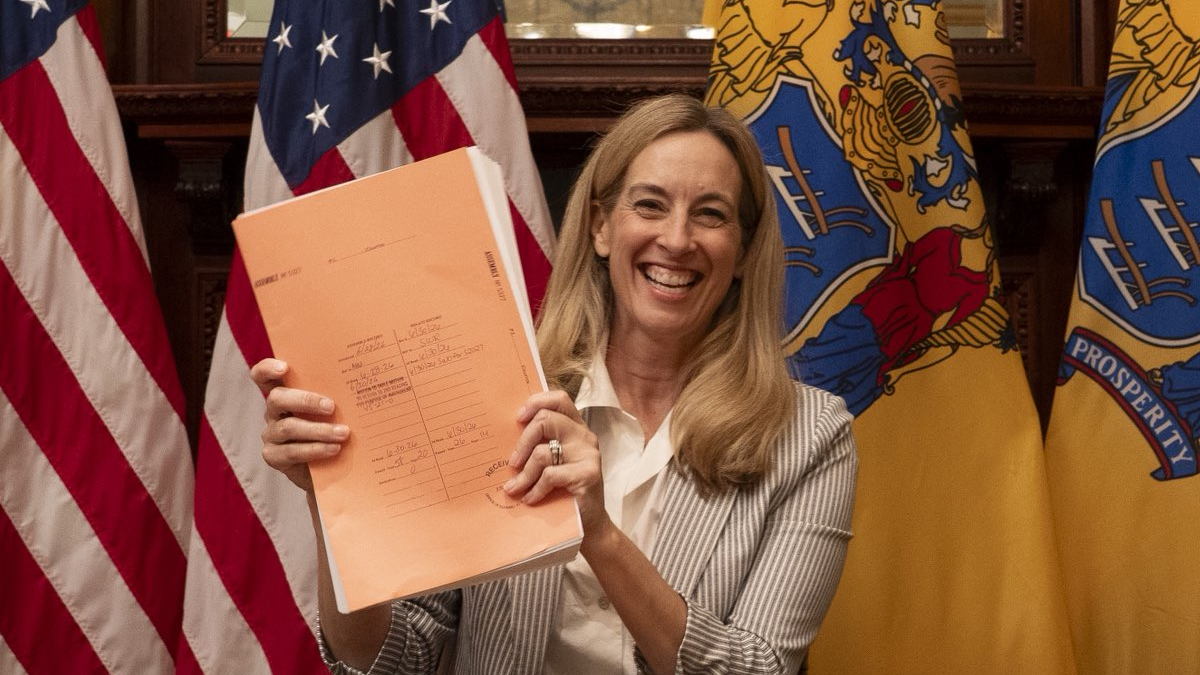
New Jersey Governor Mikie Sherrill opted to not revive that tax holiday when she took office this year.
Nationally, families with children in kindergarten through 12th grade expect to spend about $864 per household on back-to-school purchases this year. Electronics account for roughly $293 of that amount, followed by about $250 for clothing and accessories, $174 for shoes and $146 for school supplies.
- Families nationally expect to spend about $864 on K-12 back-to-school purchases.
- New Jersey’s former holiday removed the state’s 6.625% sales tax from qualifying purchases for 10 days.
- Eliminating the holiday was projected to bring New Jersey roughly $35 million more in annual tax revenue.
The pressure is being felt well beyond the checkout line. Families still have groceries, housing, utilities, transportation and child care to pay for while trying to prepare children for school. Back-to-school shopping is also difficult to postpone indefinitely. A student who needs a calculator, backpack or computer usually needs it when classes begin.
National surveys this year show price increases remain a major concern among shoppers. Some parents are delaying purchases while waiting for sales, buying only necessities or spreading their shopping across multiple paychecks.
How Much Did New Jersey Families Save?
New Jersey created its back-to-school tax holiday in 2022. For 10 days around the beginning of the school year, shoppers did not pay the state’s 6.625% sales tax on qualifying purchases.
The exemption included school and art supplies, instructional materials, certain sports and recreational equipment, computers costing less than $3,000 and computer supplies costing less than $1,000.
For a family spending $100 on taxable qualifying supplies, the holiday saved about $6.63. A $500 purchase meant approximately $33.13 in savings, while $1,000 in qualifying purchases produced about $66.25 in tax savings.
The difference became much larger for families purchasing computers. A qualifying $2,000 computer could save a shopper $132.50 in sales tax.
Clothing works differently in New Jersey. Most ordinary clothing and footwear are already exempt from sales tax year-round, meaning parents generally don’t pay the 6.625% tax on basic shirts, pants, coats or shoes regardless of whether a back-to-school holiday exists.
That doesn’t make those items inexpensive. It simply means eliminating the temporary holiday did not add sales tax to most everyday clothing purchases.
Why Did Democrats Eliminate the Tax Break?
The holiday survived only the 2022 and 2023 back-to-school seasons.
In 2024, then-Gov. Phil Murphy and the Democratic-controlled Legislature eliminated the program during the state budget process. The repeal was part of a broader effort that increased state revenue by ending tax exemptions.
From a budget standpoint, the tradeoff was clear: money shoppers did not pay during the holiday was revenue the state did not collect.
The nonpartisan Office of Legislative Services estimated that eliminating the sales tax holiday would increase state revenue by about $34.6 million in fiscal 2025 and $35.7 million in fiscal 2026. The amount was projected to rise to roughly $36.7 million in fiscal 2027.
So while the state gained about $35 million annually, that figure also represents money that would otherwise have remained with consumers who made qualifying purchases during the tax-free period.
The impact on individual households varied widely. A parent buying only notebooks and pencils might have saved less than $10. A family buying several hundred dollars in supplies could save $20, $30 or more. Households purchasing computers and other expensive qualifying equipment could keep more than $100.
There was another limitation: families had to make qualifying purchases during a specific 10-day window to benefit. Critics of sales tax holidays have also questioned whether temporary exemptions provide enough targeted relief to lower-income families compared with other forms of assistance.
Instead, New Jersey Democrat Congressman Frank Pallone blamed President Trump.
“Students across NJ-06 are headed back to school, but in Trump’s America, it’s getting more and more expensive,” Pallone said, omitting that much of the cost surge happened during President Biden’s term of rapid inflation. “Nearly half of parents plan to go into debt just to get their kids the supplies they need to succeed this school year. Getting ahead is harder than ever in Trump’s America, but he’s ensuring it’ll be nearly impossible for the next generation.”
Still, the program was originally sold as a way to ease the cost of preparing children for school. Those costs haven’t disappeared with the holiday.
Proposals have since been introduced in Trenton to restore or expand tax-free back-to-school shopping, including legislation that would provide a longer exemption period. But the tax break has not returned for the 2026 shopping season.
For parents standing in a checkout line with a backpack, calculator, folders and a laptop in the cart, $6 here and $30 there can matter. Across an entire state, those individual savings added up to tens of millions of dollars.
New Jersey decided in 2024 that the state would collect that money instead.
Sources: New Jersey Legislature (legislation and fiscal analysis), National Retail Federation (consumer spending data)