Delaware State Police would like to remind motorists the deer rut and hunting season is in effect; therefore, we would like to help prevent the spike in deer-related crashes that typically occur every fall in Delaware. The friendly reminders will hopefully keep our drivers safe, more alert and will also lead them to slow down during this specific time of the year.
The majority of deer activity resulting in crashes occur during the dusk and dawn hour on main roads as well as back roads.
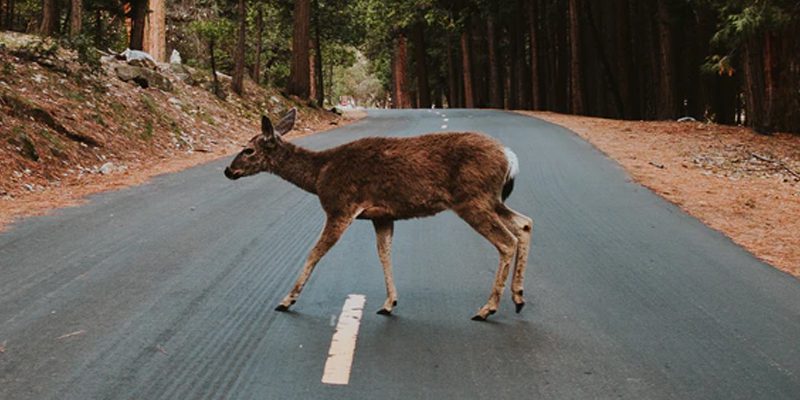
Please be careful when traveling and keep a sharp eye out for deer crossing roadways, especially at dusk. Deer are even more active due to their annual mating season ‘rut’ in November with bucks chasing doe through fields, marshes and woods. The average white-tailed deer in Delaware weighs approximately 130 pounds, with larger bucks tipping the scales at 180 pounds or more. With the increased white-tailed deer activity, Delaware motorists are kindly reminded to stay alert and to be ready for a deer to dart out into the roadway from dusk to dawn.
A deer crash can result in serious injury or death to you or your passengers as well as serious damage to your vehicle.
Attentive driving and slow speeds are the best ways to avoid deer crashes.
To reduce your risk of injury in a collision, always wear your seatbelt.
Turn your headlights on at dawn and dusk and keep your eyes on the road, scanning the sides of the road as well as what’s ahead of you. When there is no oncoming traffic, switch to high beams to better reflect the eyes of deer on or near the roadway.
Watch for “Deer Crossing” signs that mark commonly-traveled areas, and be aware that deer typically cross between areas of cover, such as woods or where roads divide agricultural fields from woods.
If you see a deer crossing the road ahead, slow down immediately and proceed with caution until you are past the crossing point. Deer usually travel in groups, so if you see one deer, there are likely to be others.
Slow down and blow your horn with one long blast to frighten deer away. Do not rely on devices such as deer whistles, deer fences and reflectors to deter deer, as these devices have not been proven to reduce deer crashes.
Do NOT feel more secure on highways just because they are better lit than back roads- speeds are higher and deer eyes are more difficult to see on highways- so drive cautiously and remain alert at all times.
Do NOT take your eyes off of the roadway. It’s that split second of changing the radio channel, or reaching for something that can make the difference to avoid a deer.
Do not swerve to miss a deer – brake and stay in your lane. Losing control of your vehicle, crossing into another lane, hitting an oncoming vehicle or leaving the roadway and hitting another obstacle such as a tree or a pole is likely to be much more serious than hitting a deer.
If you hit a deer, stop at the scene, get your car off the road if possible and call police. Do not touch the animal or get too close. “A frightened and wounded deer can cause serious injury to a well-meaning person trying to ‘help.’ You could be bitten, kicked or even gored by a buck’s antlers. Keep a safe distance and wait for troopers to arrive.
The Delaware State Police issues this traffic advisory and wish you safe travels as you reach your destination.